




GM Plans to Replace Slow-Selling Saturn: Report
The midsize sedan General Motors Corp. had hoped would be a hit with Saturn lovers is instead on the automaker's hit list, according to the Detroit Free Press. GM will kill off the slow-selling Saturn L-300 sedan and wagon in the summer of 2005, say suppliers, auto insiders and GM officials, the Free Press reported. The plan is to replace it later in 2005 with a four-door hatchback that some insiders call the Saturn Sportsback, according to the paper. The Free Press reported the hatchback would be built on the same structure as the new Chevrolet Malibu and the Saab 9-3. The Saturn L-300, called L-Series when it debuted in 1999, was GM's long-awaited attempt to create a midsize car that satisfied buyers of the original, compact Saturn would want to move to. Instead they just moved on, say auto-sales experts, according to the Free Press. Sales have driven into a ditch the last two months, the Free Press said. They fell 37 percent in September and 40 percent in October, compared with the same months in 2002. This is despite Saturn making over the front grille and rear and adding a brushed-nickel trim and silver gauges inside, according to the Free Press. "You go into a Saturn dealership and you can just see the L-Series isn't doing well," said Mike Wall, analyst for the forecasting firm CSM Worldwide. "Coming out, Saturn hoped people would want to graduate to the L-Series from the small Saturn, but they go on instead to a Toyota Camry." Wall said GM has about a 116-day supply of unsold L-300 sedans and wagons, well above the 60-day supply automakers prefer. That number remained high despite a supplier strike that halted L-300 production for three weeks in late October, according to the Free Press.
More Small Fleet

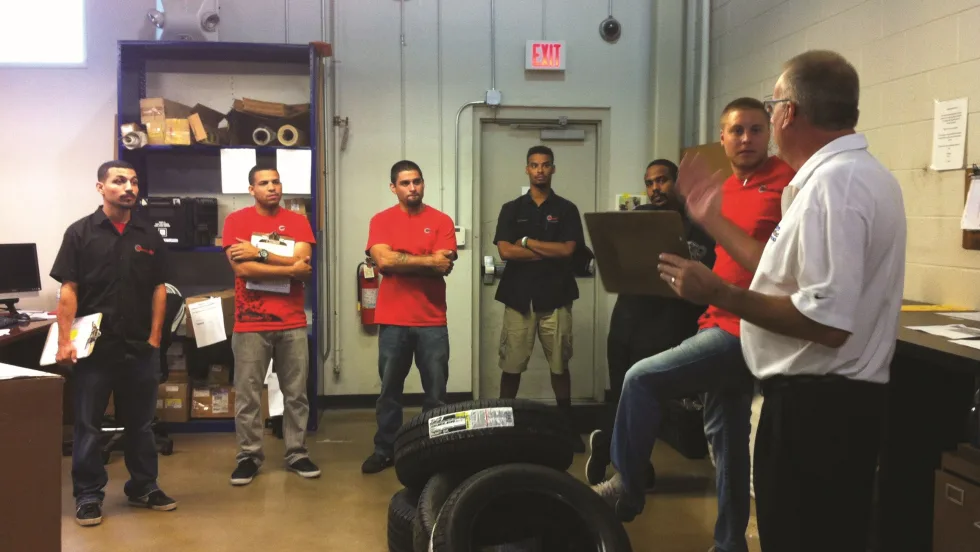
Developing Budget-Friendly Driver Safety Programs
From driver training and safety meetings to one-on-one coaching and incentive programs, several small fleets share how they have developed a safety culture with their drivers using low- to no-cost resources.
Read More →
Boosting Last-Mile Fleet Uptime, Safety, and Value with AI Vehicle Inspections
AI-powered inspections are transforming last-mile fleets by replacing manual checks with highly accurate automated scans that detect defects in seconds. By giving fleet operations visibility into the daily condition of their vehicles, you can identify trends over the vehicle’s lifecycle that enable improved procurement decisions, route management, driver training and accountability.
Read More →

Five Ways Seat Belts Help Prevent Injuries
There are five ways seat belts protect occupants from injuries, according to the Tennessee Department of Safety and Homeland Security.
Read More →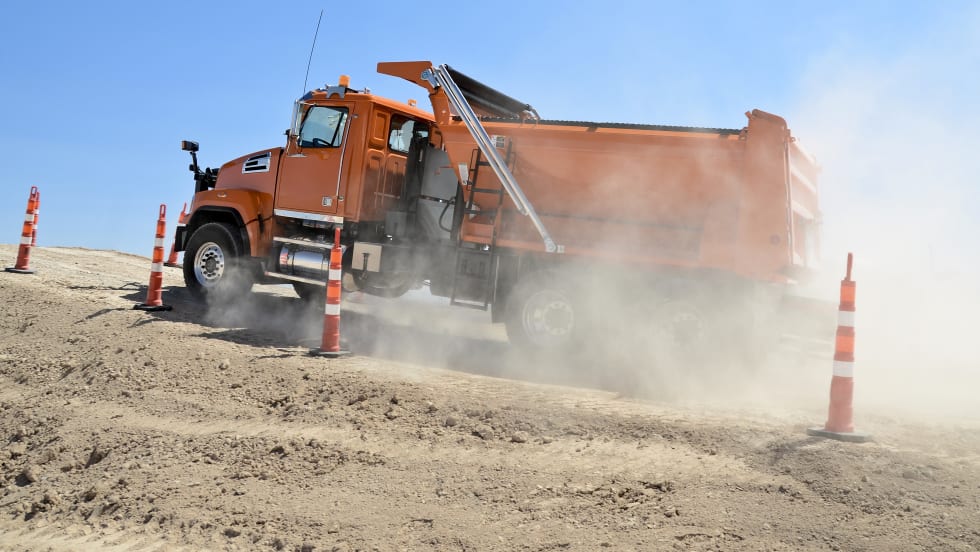
Basic Tracking vs Next Generation Fleet Technology
Fleet software is getting more sophisticated and effective than ever, tying big data models together to transform maintenance, safety, and the value of your existing tech stack. Fleet technology upgrades are undoubtedly an investment, but updated technology can offer a much higher return. Read how upgrading your fleet technology can increase the return on your investment.
Read More →
It’s here: The 2026 Fleet Technology Trends Report
What does AI mean for fleets? Get the answer — and learn other top tech trends.
Read More →
Small Fleets, Big Impact: How Independent Drivers Power Wreaths Across America
Check out how small fleets and independent drivers power Wreaths Across America each December and why their impact matters more than ever.
Read More →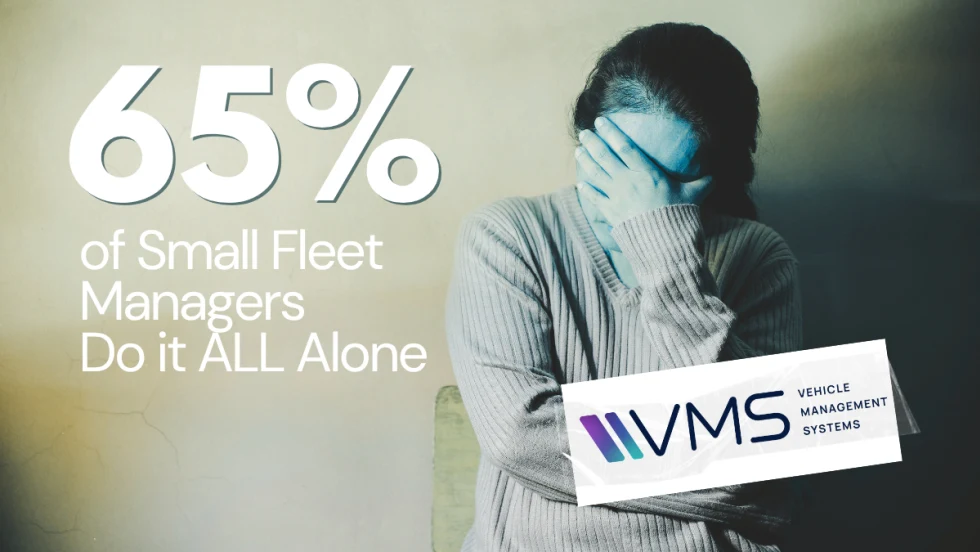
VMS Survey Finds 65% of Small Fleet Managers Run Operations Alone
A new VMS survey shows small fleet managers are stretched thin, with most handling operations solo and eager to adopt digital tools for relief.
Read More →
Tips for Driving Safely on Halloween Night
This video features a reminder from the Connecticut Department of Transportation (DOT) and the Connecticut Police Chiefs Association, urging drivers to prioritize safety this Halloween.
Read More →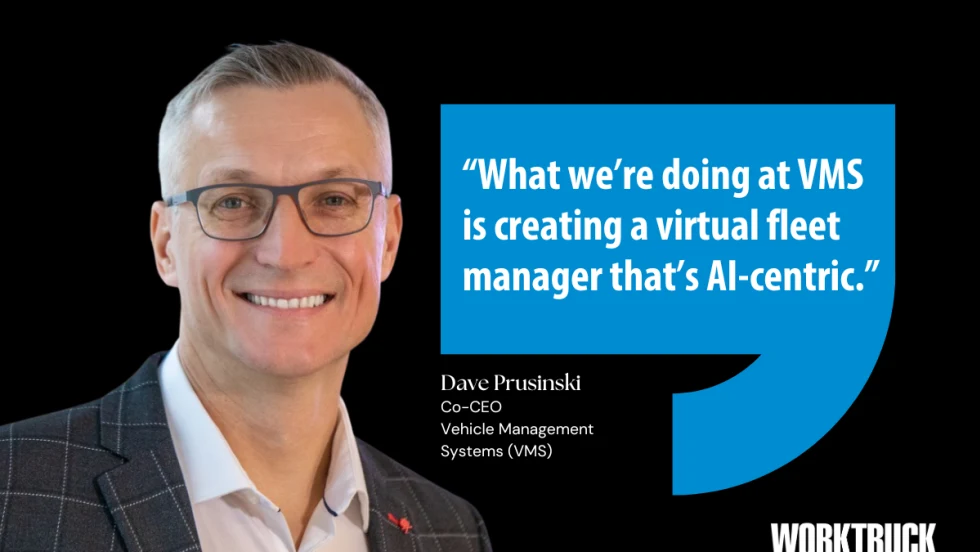
AI, Access, and Uptime: VMS’s Next Chapter with David Prusinski
VMS’s new Co-CEO, David Prusinski, shares how an AI-first approach will give small fleets and repair shops the tools to compete like big players.
Read More →