




GM Partners with CDC to Improve Emergency Crash Response
Experts from Centers for Disease Control and Prevention will examine OnStar data. Goal is to develop procedures that will help emergency medical responders better and more quickly determine if a motorist needs care at a trauma center after a vehicle crash.
The GM Foundation announced today a partnership with the Centers for Disease Control and Prevention (CDC) and the CDC Foundation to develop procedures that will help emergency medical responders better and more quickly determine if a motorist needs care at a trauma center after a vehicle crash. CDC will convene a panel of more than 20 emergency medical physicians, trauma surgeons, public safety and vehicle safety experts to review real-time crash data from OnStar's Advanced Automatic Crash Notification (AACN) vehicle telematic system and similar systems from other companies to help improve emergency transport and treatment of crash victims. The panel meetings will be funded by a $250,000 grant from OnStar and the GM Foundation to the CDC Foundation. As a federal agency, CDC does not promote or endorse specific products. "For more than 10 years OnStar has been proud to work hand-in-hand with local medical and public safety communities to create tools to help reduce traffic fatalities and extend needed emergency care," said Chet Huber, president of OnStar. "We are extremely excited to partner with the CDC Foundation and CDC in this ground breaking initiative that has the potential to dramatically impact the lives of our subscribers and all drivers." Using a collection of sensors, vehicle telemetry systems like OnStar send crash data to an advisor if the vehicle is involved in a moderate or severe front, rear or side-impact crash. Depending on the type of system, the data includes crash severity information, along with data on the direction of impact, air bag deployment, multiple impacts and a rollover (if equipped with appropriate sensors). Advisors can relay this information to emergency dispatchers helping them to quickly determine the appropriate combination of emergency personnel, equipment and medical facilities needed. "Providing emergency responders with vehicle crash information may help them make the appropriate field triage decisions, so crash victims can get to the right type of health care facility at the right time," said Dr. Richard Hunt director of CDC's Injury Center's Division of Injury Response. "CDC-supported research has shown that care at a trauma center lowers the risk of death by 25 percent for severely injured patients compared with treatment received at a hospital without trauma care services. We look forward to working with the expert panel in cooperation with the National Highway Traffic Safety Administration to better understand how to use this technology to help the emergency medical community save lives." Traffic safety and emergency medical experts say data from vehicle telematic systems like AACN may be especially important in rural or isolated areas where there may not be a passerby to report a crash and resources of a level I trauma center are too far away to treat the kind of injuries sustained in severe crashes. For example, 60 percent of the nation's fatalities are in rural areas, even though rural areas account for only 20 percent of total annual crashes. "Time is a critical factor in trauma care," said Dr. David Cone, president of the National Association of EMS Physicians. "The goal is to develop evidence-based protocols that will allow the emergency medical community to effectively use automotive telemetry data to assist in reducing morbidity and mortality through faster patient identification, diagnosis, and treatment." AACN, first introduced on the MY 2004 Chevy Malibu, evolved from airbag deployment notification systems, which alert OnStar Advisors if a subscriber's airbag has deployed. Airbag deployment notification systems have been on OnStar-equipped vehicles since 1997. For more information on OnStar and Advanced Automatic Crash Notification please visit www.onstar.com.
More Small Fleet


Developing Budget-Friendly Driver Safety Programs
From driver training and safety meetings to one-on-one coaching and incentive programs, several small fleets share how they have developed a safety culture with their drivers using low- to no-cost resources.
Read More →
Boosting Last-Mile Fleet Uptime, Safety, and Value with AI Vehicle Inspections
AI-powered inspections are transforming last-mile fleets by replacing manual checks with highly accurate automated scans that detect defects in seconds. By giving fleet operations visibility into the daily condition of their vehicles, you can identify trends over the vehicle’s lifecycle that enable improved procurement decisions, route management, driver training and accountability.
Read More →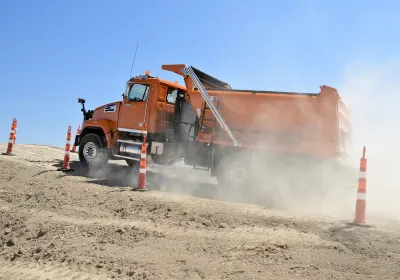

Five Ways Seat Belts Help Prevent Injuries
There are five ways seat belts protect occupants from injuries, according to the Tennessee Department of Safety and Homeland Security.
Read More →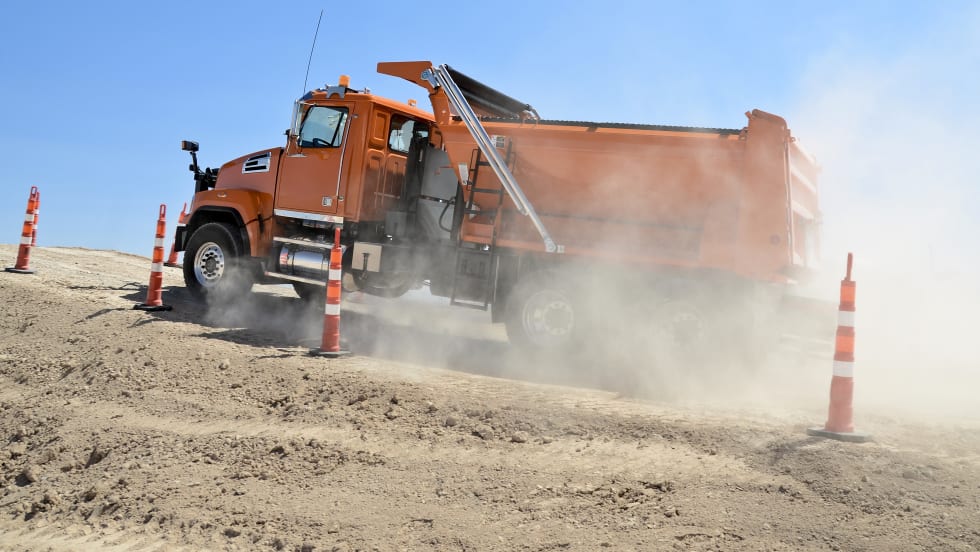
Basic Tracking vs Next Generation Fleet Technology
Fleet software is getting more sophisticated and effective than ever, tying big data models together to transform maintenance, safety, and the value of your existing tech stack. Fleet technology upgrades are undoubtedly an investment, but updated technology can offer a much higher return. Read how upgrading your fleet technology can increase the return on your investment.
Read More →
It’s here: The 2026 Fleet Technology Trends Report
What does AI mean for fleets? Get the answer — and learn other top tech trends.
Read More →
Small Fleets, Big Impact: How Independent Drivers Power Wreaths Across America
Check out how small fleets and independent drivers power Wreaths Across America each December and why their impact matters more than ever.
Read More →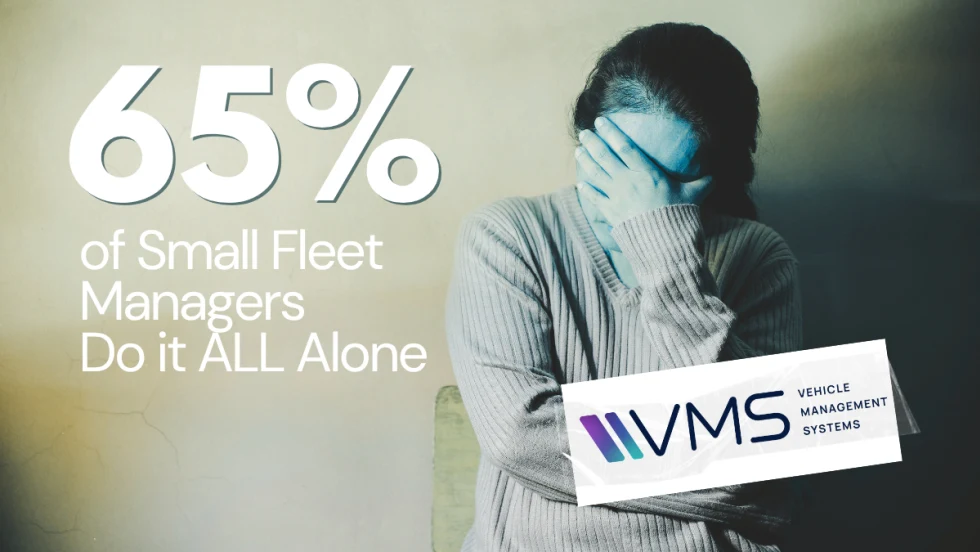
VMS Survey Finds 65% of Small Fleet Managers Run Operations Alone
A new VMS survey shows small fleet managers are stretched thin, with most handling operations solo and eager to adopt digital tools for relief.
Read More →
Tips for Driving Safely on Halloween Night
This video features a reminder from the Connecticut Department of Transportation (DOT) and the Connecticut Police Chiefs Association, urging drivers to prioritize safety this Halloween.
Read More →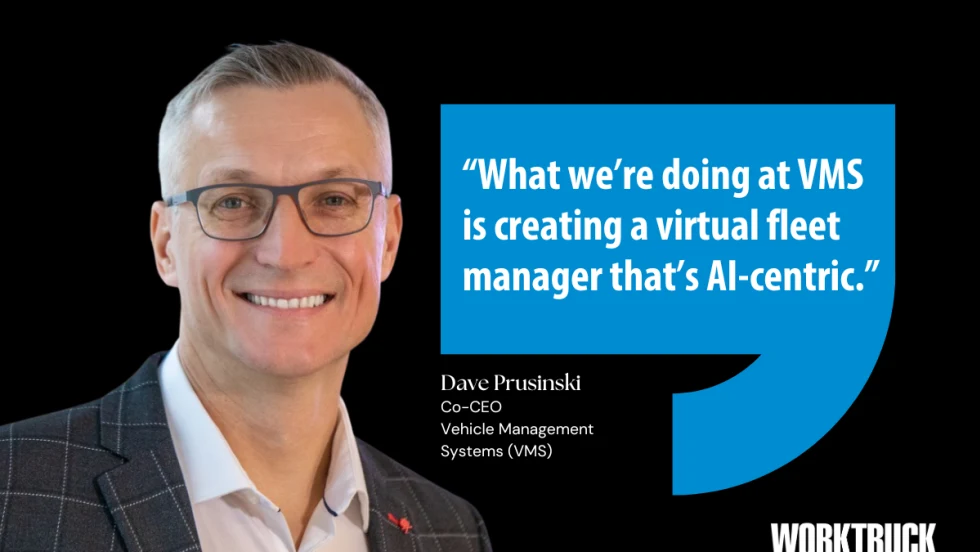
AI, Access, and Uptime: VMS’s Next Chapter with David Prusinski
VMS’s new Co-CEO, David Prusinski, shares how an AI-first approach will give small fleets and repair shops the tools to compete like big players.
Read More →