




GM Marks Camaro, Firebird for Death After 35 Years
The Chevrolet Camaro and the Pontiac Firebird, two vehicles that helped define "muscle cars" for generations of American youth, will die next year after 35 years of production, General Motors Corp. said on Sept. 25.

The Chevrolet Camaro and the Pontiac Firebird, two vehicles that helped define "muscle cars" for generations of American youth, will die next year after 35 years of production, General Motors Corp. said on Sept. 25. Launched in 1966 as a response to the vastly popular Ford Mustang, the Camaro and Firebird twins and their high performance Z28 and Trans Am versions were doomed by changing industry economics that made selling large numbers of 300-horsepower sports coupes to men under 35 nearly impossible. According to industry analysts, sales for the two vehicles have dropped so low that it has become economically impossible to continue their production. "It was just declining sales," GM spokesman Tom Wilkinson said. "The volume of the two vehicles was not enough to run a plant. We couldn't keep it going." Camaro sales were down 25 percent through August, and Firebird sales were down 28 percent, according to AutoData. Mustang sales, in comparison, were down 12 percent. GM said it was closing the Canadian plant where the two models are built in September 2002, ending production after more than 6.6 million vehicles. The Camaro and Firebird were first introduced in 1966 as 1967 models, and have had only four major updates since, the last in 1992. None tinkered with the basic formula for success - a big V8 engine powering the rear wheels in a package made as inexpensively as possible. Like other muscle cars, the Camaro and Firebird were hit by the fuel shortages and clean-air restrictions of the early 1970s, which forced less-powerful engines under their hoods and dampened sales. But they remained popular through the decade. A high point came with the 1977 film "Smokey and the Bandit," featuring Burt Reynolds in a black Pontiac Trans Am complete with gold "screaming chicken" hood decal escorting a truckload of beer across the country. Five years later, another Trans Am was the co-star of the popular television series "Knight Rider." But for years, the Camaro and Firebird have been dropping further and further behind the Mustang. Through August of this year, GM has sold 38,564 Camaros and Firebirds in the United States, while Ford Motor Co. sold 112,242 Mustangs. According to industry analysts, one reason why the Mustang has flourished is because it's no longer a true muscle car. Last year, more than 70 percent of Mustangs were sold with a V6 engine rather than a V8, and more than 60 percent were sold to women. By comparison, the Camaro and Firebird are still mostly known for their high-power variants that appeal to men under 35, according to industry observers. Even if those younger buyers can afford a $25,000 to $30,000 sticker, insurance premiums of thousands of dollars a year make the purchase harder. And customers over 35, many of whom already have at some point owned a Camaro or Firebird, now tend to look for Lexus, Porsche, Jaguar, Mercedes Benz, and other prestige brands when selecting a sports car. GM announced that the Camaro and Firebird were on "hiatus," but didn't say if or when the names might reappear. One problem for GM is that unlike 35 years ago, only a small percentage of its current vehicles are rear-wheel-drive, making it harder to cut costs by sharing parts with other models. GM has a new rear-wheel-drive platform called Sigma that will be the basis for a new Cadillac sedan later this year, but that's not seen as a likely choice for a low-cost sports car.
More Vehicle Insights
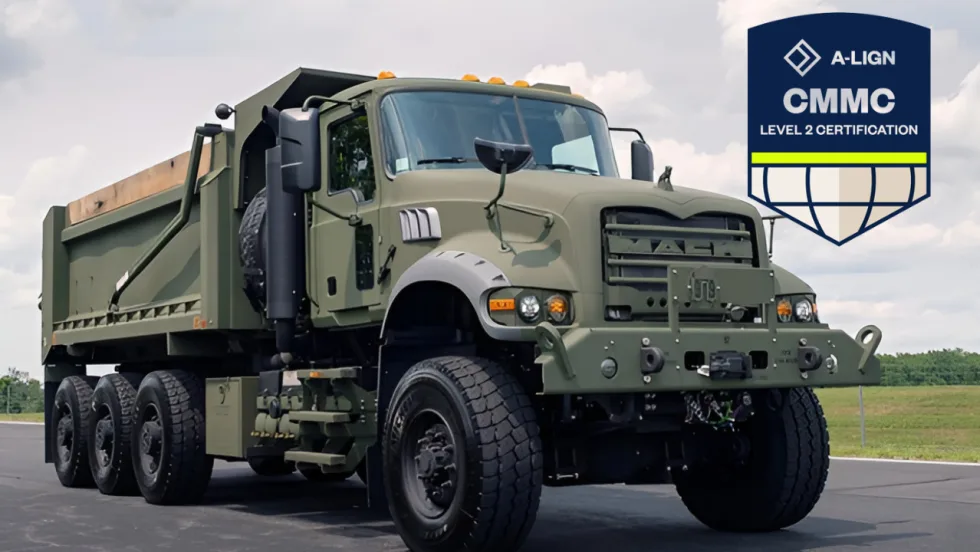
Mack Defense Achieves Cybersecurity Maturity Model Certification Level 2
After an assessment conducted by an authorized Certified Third-Party Assessment Organization (C3PAO), Mack Defense has achieved Cybersecurity Maturity Model Certification (CMMC) Level 2.
Read More →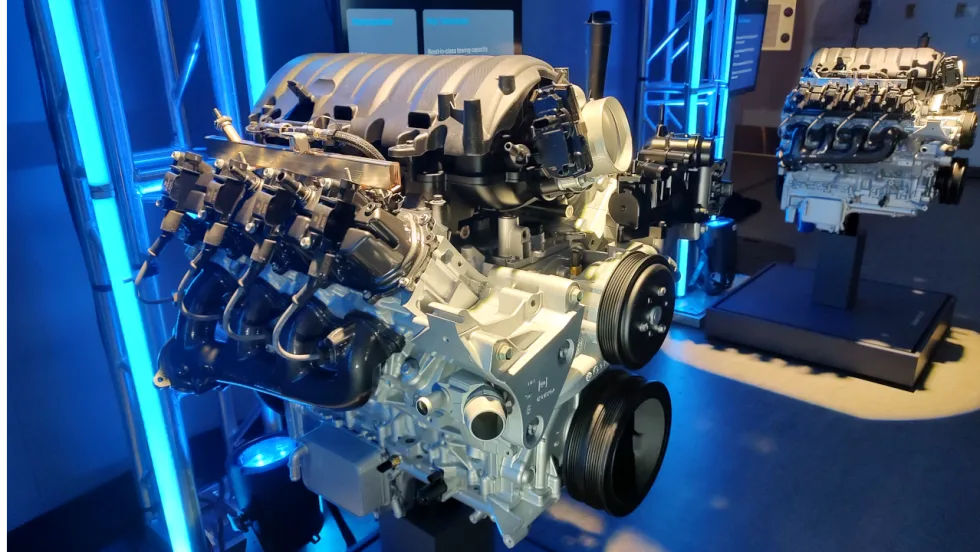
GM Unveils New Sixth-Generation Small Block Engines for 2027 Light-Duty Pickups
General Motors unveiled two new small-block engines, backed by extensive real-world validation and more than 70 years of small-block V8 manufacturing experience, as part of the engine portfolio for the 2027 Chevrolet Silverado 1500 and GMC Sierra 1500.
Read More →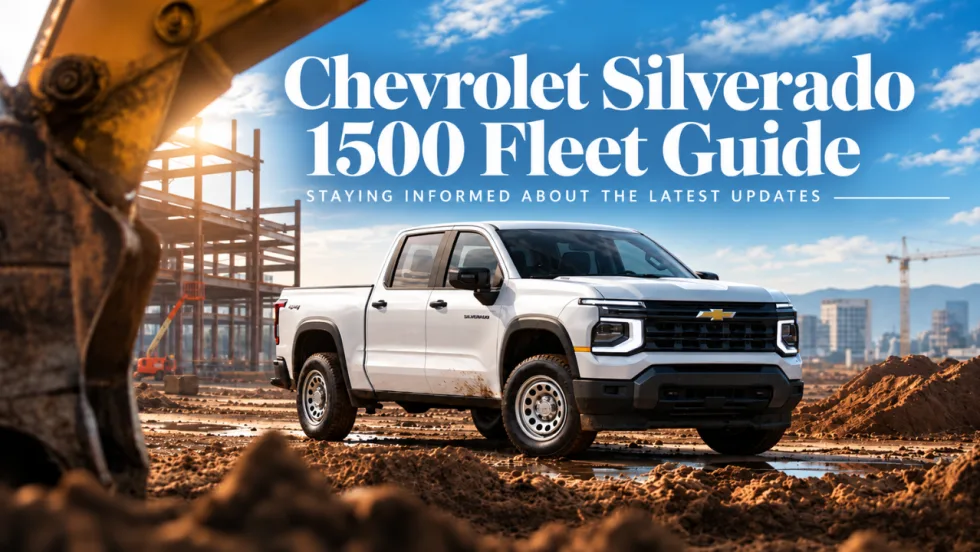
Chevrolet Silverado 1500 Fleet Guide Specs Capability and 2027 Model-Year Updates
The next-generation 2027 Chevrolet Silverado 1500 brings new V-8 engines, updated technology, expanded safety features, and a fleet-focused Work Truck. Here’s what commercial fleets need to know so far.
Read More →
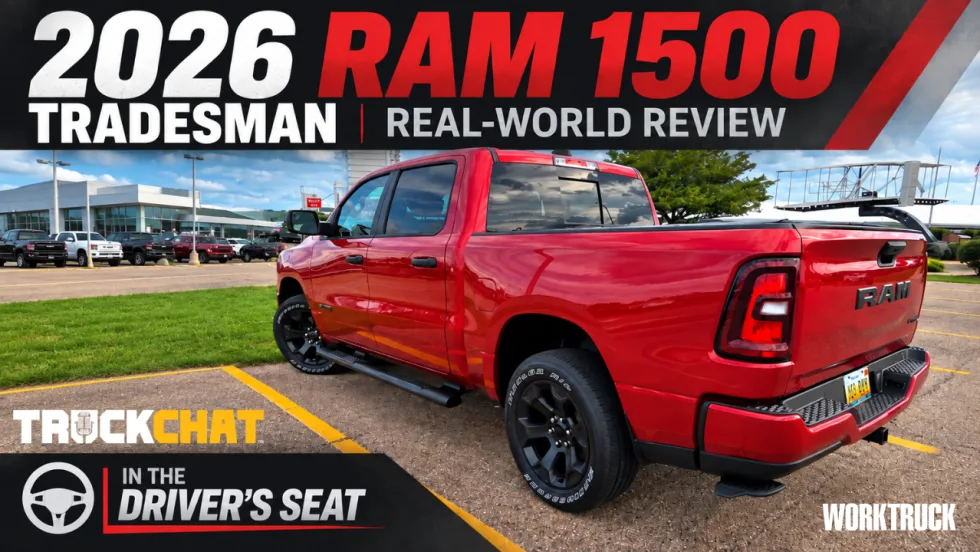
2026 Ram 1500 Tradesman Put to a Real-World Fleet Test
A few days behind the wheel of a 2026 Ram 1500 Tradesman turned into a test of visibility, parking, work-ready features, and even severe-weather driving.
Read More →
Isuzu N-Series Gas Fleet Guide: Specs, Capability and 2027 Model-Year Updates
Explore Isuzu Truck North America’s N-Series Gas fleet specs, engine performance, GVWR and payload capability, configurations, chassis dimensions, work-focused features, and 2027 model-year information.
Read More →
Ram ProMaster City Fleet Guide Specs Cargo Capacity and 2027 Updates
Work Truck’s Ram ProMaster City Fleet Guide tracks the latest specifications, cargo capability, configurations, fleet technology, pricing, and model-year updates for Ram’s mid-size commercial van.
Read More →
Ford F-150 Fleet Guide Specs Capability and 2026 Model-Year Updates
Explore 2026 Ford F-150 fleet specs, engines, towing and payload capability, configurations, work features, technology, and model-year updates.
Read More →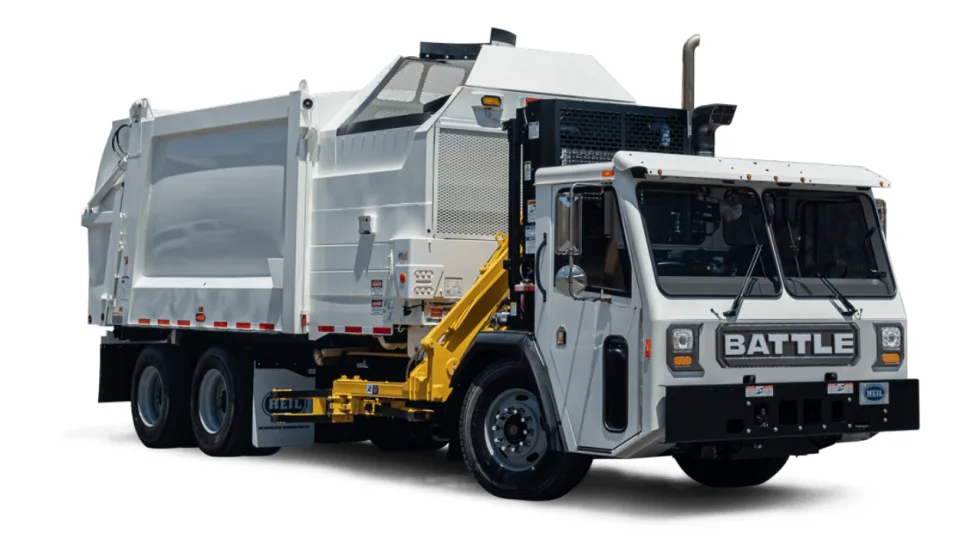
TCI Now Sells & Supports Battle Motors’ Vocational Trucks
Midwest truck dealer Truck Centers, Inc. (TCI) has expanded its transportation solutions with sales and service support for Battle Motors’ heavy-duty vocational trucks at locations in locations in Indiana, Illinois, and Missouri
Read More →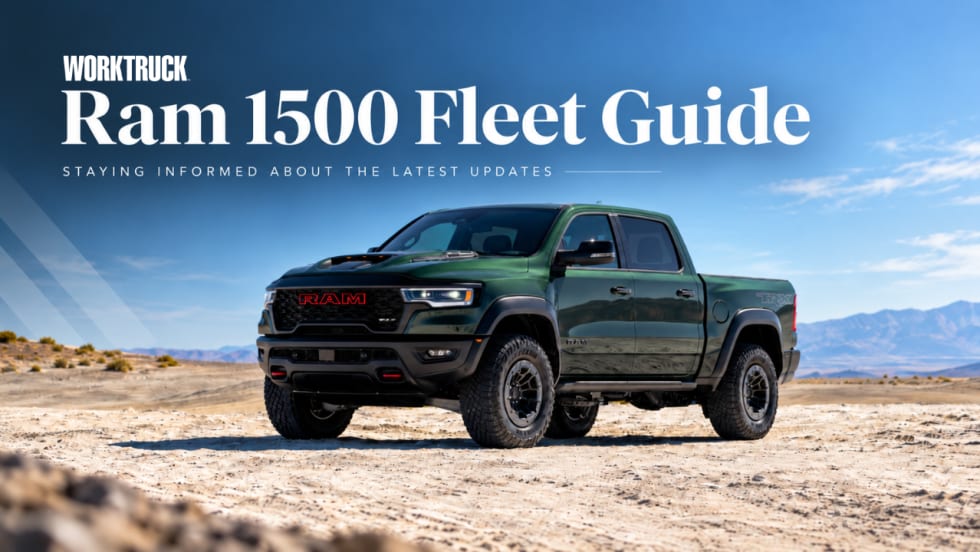
Ram 1500 Fleet Guide Specs, Capability and 2027 Model-Year Updates
Explore always up-to-date Ram 1500 fleet specs, engines, towing and payload capability, configurations, technology, pricing updates, and model-year changes.
Read More →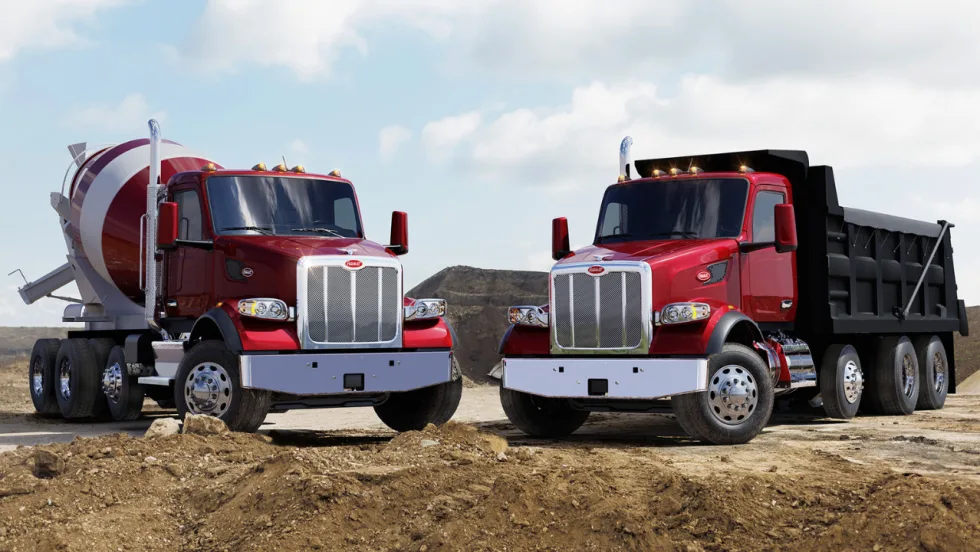
Peterbilt Trucks Equipped with Paccar TX-18 Pro Boost Efficiency for Maryland Fleet
Patuxent Companies is replacing aging trucks with the Peterbilt Model 567 and Model 589, specified with the Paccar TX-18 Pro 18-speed automated transmissions, and is reporting an 8% to 10% improvement in fuel economy.
Read More →