




Fuel Efficiency Study Revised, Automakers Have More Time to Make Improvements
A report by the National Academy of Sciences on possible increases to U.S. fuel economy standards due early this week has been revised to give automakers more time to improve fuel efficiency, a source familiar with the plans said on Friday. The report, still expected to offer a range of possible increases for fuel economy standards, avoids making a specific recommendation. Many studies on fuel economy have looked at increases possible in 10 years or more, giving automakers enough lead time to design and build more efficient engines and vehicles. The panel's report is now expected to offer a similiar time frame. The debate over the fuel economy has heated up this summer as environmental groups saw an opportunity to raise federal standards for the first time in years. Republican leaders who have traditionally helped automakers oppose such moves have also been more receptive to increases beyond the current 27.5 miles per gallon average for cars and 20.7 mpg for trucks. As part of his energy plan, President Bush has said his administration will use the panel's report as a starting point for considering higher standards. But the U.S. Congress has already begun debating whether to raise the standards, and a House committee has approved a bill calling for a slight increase. Detroit's Big Three, led by GM, have been staunchly against any increase in federal fuel economy standards, saying changes would imperil passenger safety and hurt the economy. GM has released a study saying any efforts to cut vehicle weight to meet higher fuel economy standards would increase the fatality risk in accidents. GM also said that a 3 mpg increase in truck standards would force GM to cut production by 1 million vehicles, slash jobs and close factories. The industry isn't united on the topic, however. On the other end, Honda Motor Co., Ltd., says higher standards are fine, but prefers the numbers to be set by government experts, rather than Congress.
More Small Fleet

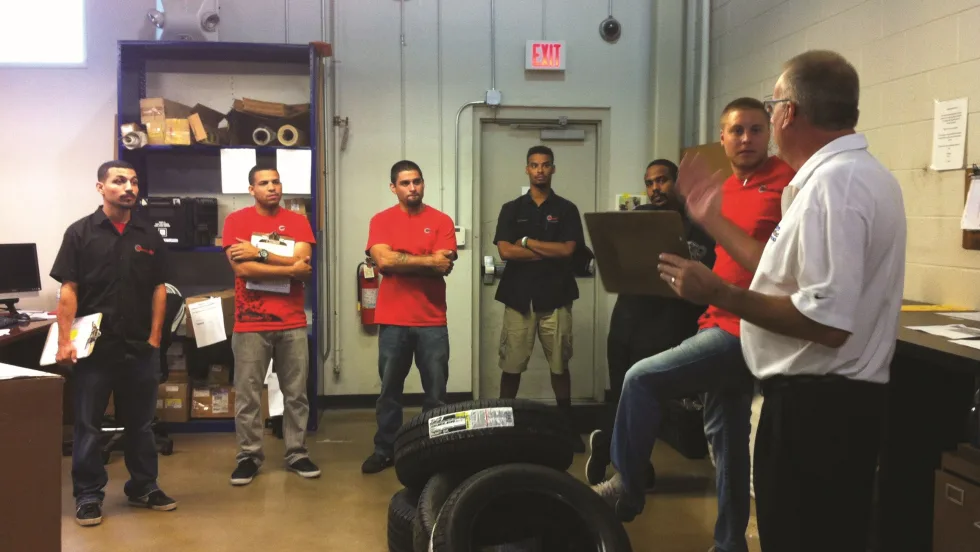
Developing Budget-Friendly Driver Safety Programs
From driver training and safety meetings to one-on-one coaching and incentive programs, several small fleets share how they have developed a safety culture with their drivers using low- to no-cost resources.
Read More →
Boosting Last-Mile Fleet Uptime, Safety, and Value with AI Vehicle Inspections
AI-powered inspections are transforming last-mile fleets by replacing manual checks with highly accurate automated scans that detect defects in seconds. By giving fleet operations visibility into the daily condition of their vehicles, you can identify trends over the vehicle’s lifecycle that enable improved procurement decisions, route management, driver training and accountability.
Read More →

Five Ways Seat Belts Help Prevent Injuries
There are five ways seat belts protect occupants from injuries, according to the Tennessee Department of Safety and Homeland Security.
Read More →
Basic Tracking vs Next Generation Fleet Technology
Fleet software is getting more sophisticated and effective than ever, tying big data models together to transform maintenance, safety, and the value of your existing tech stack. Fleet technology upgrades are undoubtedly an investment, but updated technology can offer a much higher return. Read how upgrading your fleet technology can increase the return on your investment.
Read More →
It’s here: The 2026 Fleet Technology Trends Report
What does AI mean for fleets? Get the answer — and learn other top tech trends.
Read More →
Small Fleets, Big Impact: How Independent Drivers Power Wreaths Across America
Check out how small fleets and independent drivers power Wreaths Across America each December and why their impact matters more than ever.
Read More →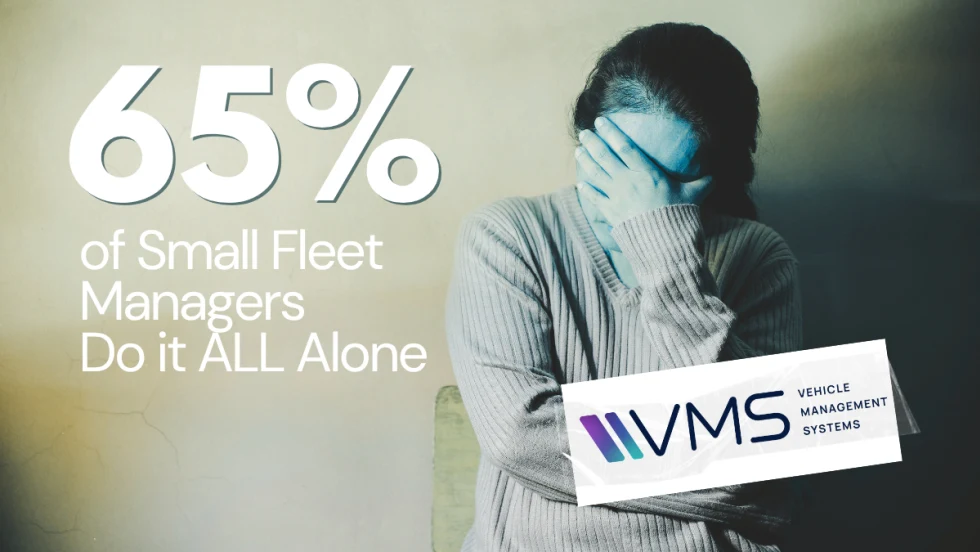
VMS Survey Finds 65% of Small Fleet Managers Run Operations Alone
A new VMS survey shows small fleet managers are stretched thin, with most handling operations solo and eager to adopt digital tools for relief.
Read More →
Tips for Driving Safely on Halloween Night
This video features a reminder from the Connecticut Department of Transportation (DOT) and the Connecticut Police Chiefs Association, urging drivers to prioritize safety this Halloween.
Read More →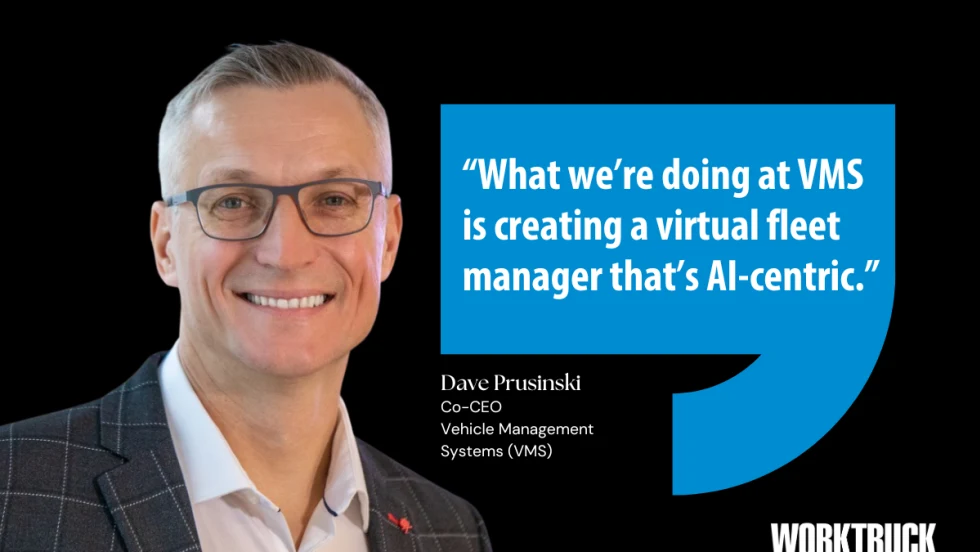
AI, Access, and Uptime: VMS’s Next Chapter with David Prusinski
VMS’s new Co-CEO, David Prusinski, shares how an AI-first approach will give small fleets and repair shops the tools to compete like big players.
Read More →