




Fuel Economy Rules May Undergo New Revision
Under pressure from auto manufacturers, the National Academy of Sciences will hold a rare hearing Oct. 5 that could revise recommendations issued just this summer on improving fuel-economy requirements for new cars and light trucks, according to a Detroit News story by Jeff Plungis. The report will guide the Bush administration and Congress as federal regulators revisit fuel-economy requirements for the first time in six years. The hearing comes a day after the Environmental Protection Agency (EPA) released an analysis of 2001 model year vehicles that concluded fuel economy was lower than at any point since 1980. The overall average fuel economy for vehicles dropped to 20.4 mpg in 2001, which the agency attributed to increased sales of pickup trucks, minivans and sport utility vehicles. Average fuel economy of new passenger vehicles is at a 20-year low, largely because of the widespread popularity of sport-utility vehicles, the government said in the report released Oct. 4. "Fuel economy is being traded for weight and power," concludes the analysis produced by the EPA. The report is expected to fuel the debate over whether the government should require automakers to make their products less fuel hungry, especially larger SUVs that are subject to less-stringent regulations than passenger cars. In its latest fuel economy trends report, the EPA said the average fuel use of new passenger vehicles -- sedans and light trucks, including SUVs and vans -- has declined 1.9 miles per gallon since 1988 and is at the lowest level since 1980. The National Highway Traffic Safety Administration (NHTSA) will be free to begin revising Corporate Average Fuel Economy (CAFE) standards as of Oct. 15, although that date could be pushed back by budget negotiations between the White House and Congress. The National Academy of Sciences hearing is unusual for the normally careful and deliberative institution, which subjects its studies to intense peer review before publication. Environmental groups maintain the academy was preparing to rewrite a report based on objections from automakers, raising questions about the academy's objectivity.
More Small Fleet


Developing Budget-Friendly Driver Safety Programs
From driver training and safety meetings to one-on-one coaching and incentive programs, several small fleets share how they have developed a safety culture with their drivers using low- to no-cost resources.
Read More →
Boosting Last-Mile Fleet Uptime, Safety, and Value with AI Vehicle Inspections
AI-powered inspections are transforming last-mile fleets by replacing manual checks with highly accurate automated scans that detect defects in seconds. By giving fleet operations visibility into the daily condition of their vehicles, you can identify trends over the vehicle’s lifecycle that enable improved procurement decisions, route management, driver training and accountability.
Read More →
Five Ways Seat Belts Help Prevent Injuries
There are five ways seat belts protect occupants from injuries, according to the Tennessee Department of Safety and Homeland Security.
Read More →
It’s here: The 2026 Fleet Technology Trends Report
What does AI mean for fleets? Get the answer — and learn other top tech trends.
Read More →
Small Fleets, Big Impact: How Independent Drivers Power Wreaths Across America
Check out how small fleets and independent drivers power Wreaths Across America each December and why their impact matters more than ever.
Read More →
VMS Survey Finds 65% of Small Fleet Managers Run Operations Alone
A new VMS survey shows small fleet managers are stretched thin, with most handling operations solo and eager to adopt digital tools for relief.
Read More →
Tips for Driving Safely on Halloween Night
This video features a reminder from the Connecticut Department of Transportation (DOT) and the Connecticut Police Chiefs Association, urging drivers to prioritize safety this Halloween.
Read More →
AI, Access, and Uptime: VMS’s Next Chapter with David Prusinski
VMS’s new Co-CEO, David Prusinski, shares how an AI-first approach will give small fleets and repair shops the tools to compete like big players.
Read More →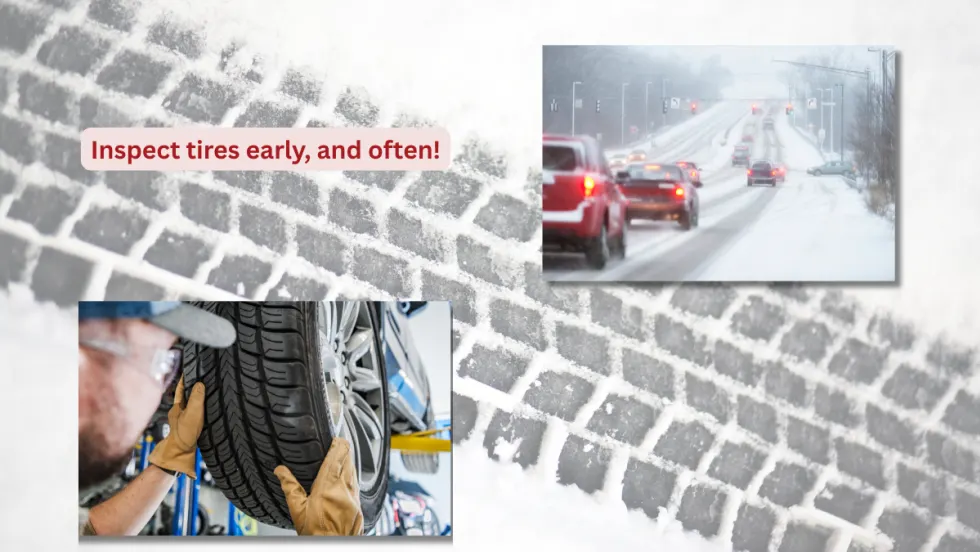
Fleet Managers Share Winter Prep Tips: It's Never Too Early!
Three fleets share best practices to prep vehicles for winter and prevent downtime when the cold sets in.
Read More →