




Fuel Economy at Lowest Level in 20 Years
The average fuel economy of new cars and trucks sold in America, after slightly improving a year ago, has fallen back to the lowest levels since 1980, according to a new government report. President Bush's energy plan called May 17 for improving fuel efficiency, so the report, from the Department of Transportation, puts into stark relief the fact that the auto industry is to all appearances moving in the opposite direction. The report estimates that the average fuel economy of all cars and light trucks sold in the 2001 model year will be 24.5 miles a gallon, the same as in 1999 and slightly below the 24.7 miles a gallon in the 2000 model year. The peak was 26.2 miles a gallon in 1987, before automakers began selling large numbers of gas-thirsty sport utility vehicles. Those numbers make fuel economy seem better than it actually is, because automakers get extra credit for manufacturing vehicles that can run on either gasoline or nearly pure ethanol. The problem is, with only one in a thousand filling stations offering ethanol, few of those so-called dual-fuel vehicles are fueled with ethanol by drivers. Ford Motor and General Motors have increased their output of the dual-fuel vehicles since 1999. Excluding the ethanol credit, the average gas mileage is now lower than in 1999 and at its lowest level since 1980. Federal regulations require each automaker to produce cars with an average fuel economy of 27.5 miles a gallon. Light trucks —- a category that includes SUVs, pickup trucks and minivans —- must achieve an average of 20.7 miles a gallon. The lower standard for light trucks dates all the way back to the 1970s, when it mainly applied to pickups used by farmers and merchants. According to the Transportation Department report, light trucks from General Motors and DaimlerChrysler were unable to meet even the more lenient standard. The average fuel economy of GM's 2001 light trucks is 20.6 miles a gallon; DaimlerChrysler's average is 20.5 miles agallon. Both companies planned to use credits from exceeding the standards in past years to avoid paying millions of dollars in fines for falling short in 2001. Ford matched the government standard for light trucks, with an overall fuel economy of 20.7 miles a gallon; most foreign automakers met the regulatory standards by comfortable margins. A few fairly low-volume foreign automakers, like BMW and Ferrari, missed the standards, as they do consistently, and will pay fines as part of the cost of doing business in the United States. All the automakers' fuel economy figures are calculated using a formula that the government allows for regulatory purposes. This methodology produces results that are 18 percent higher than the gas mileage estimates posted on the window stickers of new automobiles; many drivers complain that they have trouble matching even the window-sticker estimates. GM, Ford and DaimlerChrysler are producing close to a million dual-fuel minivans, pickup trucks and cars this year, at an extra cost of up to $200 a vehicle for the fuel sensors and stainless-steel fuel lines needed for ethanol. The government counts these vehicles as getting roughly triple the fuel economy that they achieve when burning gasoline. The automakers have used the extra mileage credits to sell more full-size sport utilities and pickups while meeting the federal standards for average fuel economy. Ford pledged last July to improve the average gas mileage of its sport utilities by 25 percent by 2005, without relying on extra ethanol credits. GM upped the ante a week later by vowing to exceed Ford in the average fuel economy of sport utilities and of light trucks over all, also without ethanol credits. DaimlerChrysler said last month that it would keep pace with its main rivals in overall light truck fuel economy, but it had not taken a position on the use of ethanol credits to do so. In the energy report he released May 17, President Bush called for improving fuel efficiency through the development of new technologies and subsidies for the sale of hybrid vehicles that use a combination of gasoline and electric propulsion. The report acknowledged that few dual-fuel vehicles were actually using ethanol, a type of alcohol produced from corn. The report lauded the production of these vehicles, and said without giving details that further study on ways to increase the actual use of ethanol was needed. "Reforms to the federal alternative fuels program could promote alternative fuels use instead of mandating purchase of vehicles that ultimately run on petroleum fuels," the report said. The government report said the president would review fuel-economy standards in light of a report by the National Academy of Sciences that is due on July 1. Environmentalists have said that report is unlikely to recommend significantly stiffer standards, because its authors include several people who have worked for the auto and oil industries but no environmentalists. The auto industry has been lobbying heavily in recent months for an extension of the ethanol credits, which are currently scheduled to expire in 2004. The legislation that authorized the credits a decade ago, which was strongly backed by farm state lawmakers, called for the Transportation Department to send a report to Congress on the program by September 2000. The Clinton administration did not finish work on the report before leaving office, however, and the Bush administration still hasn't named a new administrator for the National Highway Traffic Safety Administration (NHTSA), the Transportation Department agency that must produce the report.
More Small Fleet


Developing Budget-Friendly Driver Safety Programs
From driver training and safety meetings to one-on-one coaching and incentive programs, several small fleets share how they have developed a safety culture with their drivers using low- to no-cost resources.
Read More →
Boosting Last-Mile Fleet Uptime, Safety, and Value with AI Vehicle Inspections
AI-powered inspections are transforming last-mile fleets by replacing manual checks with highly accurate automated scans that detect defects in seconds. By giving fleet operations visibility into the daily condition of their vehicles, you can identify trends over the vehicle’s lifecycle that enable improved procurement decisions, route management, driver training and accountability.
Read More →

Five Ways Seat Belts Help Prevent Injuries
There are five ways seat belts protect occupants from injuries, according to the Tennessee Department of Safety and Homeland Security.
Read More →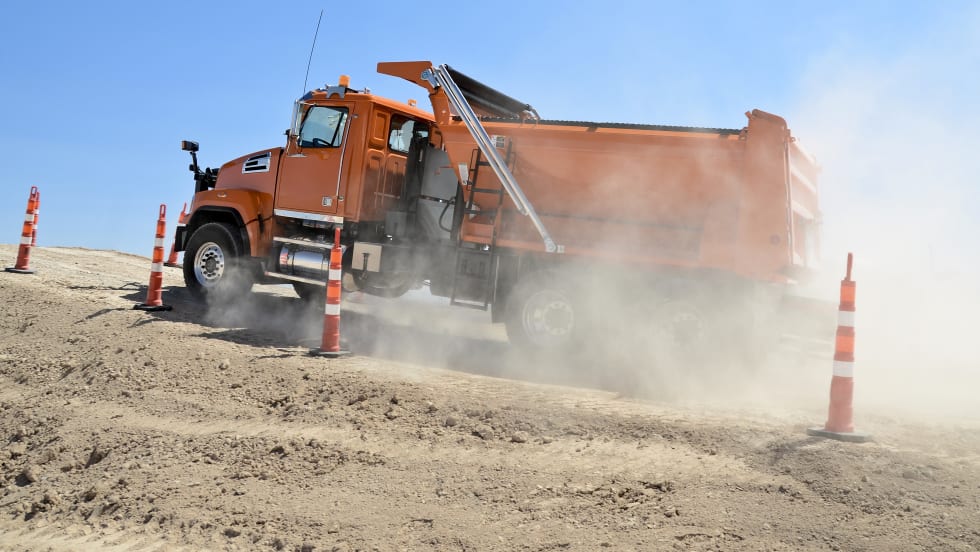
Basic Tracking vs Next Generation Fleet Technology
Fleet software is getting more sophisticated and effective than ever, tying big data models together to transform maintenance, safety, and the value of your existing tech stack. Fleet technology upgrades are undoubtedly an investment, but updated technology can offer a much higher return. Read how upgrading your fleet technology can increase the return on your investment.
Read More →
It’s here: The 2026 Fleet Technology Trends Report
What does AI mean for fleets? Get the answer — and learn other top tech trends.
Read More →
Small Fleets, Big Impact: How Independent Drivers Power Wreaths Across America
Check out how small fleets and independent drivers power Wreaths Across America each December and why their impact matters more than ever.
Read More →
VMS Survey Finds 65% of Small Fleet Managers Run Operations Alone
A new VMS survey shows small fleet managers are stretched thin, with most handling operations solo and eager to adopt digital tools for relief.
Read More →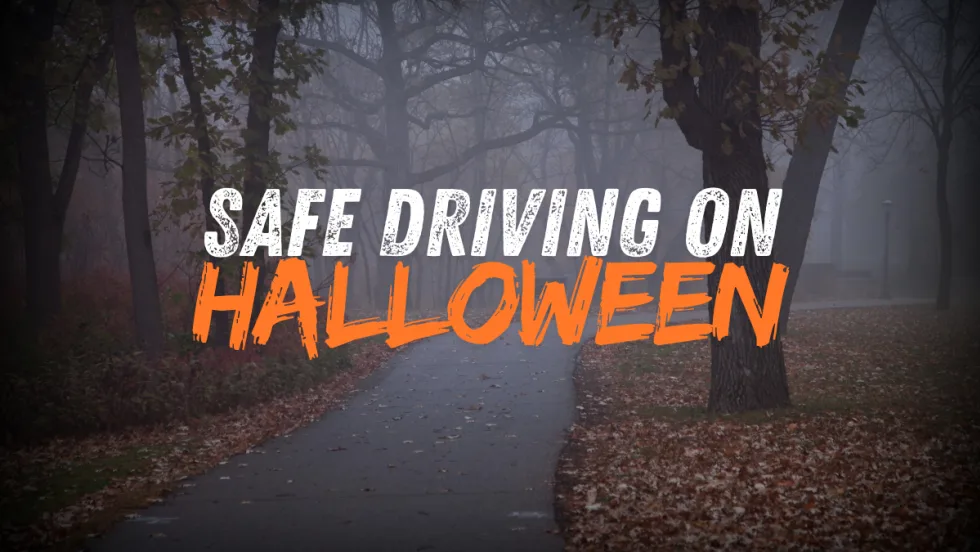
Tips for Driving Safely on Halloween Night
This video features a reminder from the Connecticut Department of Transportation (DOT) and the Connecticut Police Chiefs Association, urging drivers to prioritize safety this Halloween.
Read More →
AI, Access, and Uptime: VMS’s Next Chapter with David Prusinski
VMS’s new Co-CEO, David Prusinski, shares how an AI-first approach will give small fleets and repair shops the tools to compete like big players.
Read More →