




Freightliner Says Unimog is More Truck Than SUV; Backs Away From Retail Promotions
After considerable preparations to sell the four-wheel-drive Unimog to individuals, Freightliner, a division of DaimlerChrysler, is now becoming much more cautious after heavy public criticism, according to a March 1 New York Times story by Keith Bradsher. The Sierra Club labeled the Unimog, which measures 9 feet, 7 inches high and weights 12,500 pounds, "Daimlersaurus Wrecks;" the San Francisco Chronicle's Stephanie Salter dubbed it the "Colossus of Roads." Apparently in response the barrage of criticism (and clever name-calling), Freightliner is now promoting the Unimog strictly as a commercial truck for fire departments and businesses that need its capacity to carry nearly seven tons of people and cargo. When pressed, company officials say that they still intend to sell some as personal vehicles, but insist that these will go to people whom the company describes as "gentlemen ranchers," according to the Times. That's what the company always had in mind, according to Debi Nicholson, Freightliner's spokeswoman, explaining that the company envisioned sales to owners of 10,000-acre ranches, who might use the Unimog for hunting elk as well as ranch work. But in a little-noticed speech in November 2000 at the Great American Trucking Show in Dallas, Jim Hebe, Freightliner's chief executive, had emphasized the retail market over the commercial market. "The Unimog adds a new dimension to both the North American 4x4 truck and SUV. markets," Mr. Hebe said then, according to a Freightliner news release. "It's incredibly adaptable and can maneuver in the toughest conditions imaginable —- in high water, over the roughest terrain and under wild weather conditions. Yet along with all its rugged ability, the sport recreational driver also gets an interior designed for comfort, style and easy access." That press statement has disappeared from the archives on Freightliner's Web site. "We took it off because people were misunderstanding," Nicholson told the New York Times. Freightliner also drew up a glossy brochure for the Unimog. The brochure began: "There are a lot of vehicles out there playing at being 4x4's. They're small. Usually they're cute. And sometimes, instead of going to the mall or the grocery store, they actually go off-road. But you want a real all-terrain vehicle." Like a lot of SUV advertising, the Unimog brochure promised to affect the mood of buyers: "Aggressive and bold. That's you in the Unimog." "That's just what appeals to the truck buyers," Nicholson told the Times' Bradsher. Over the winter, Freightliner has courted off-road enthusiasts who already own older, smaller Unimogs brought over from Europe, according to Bradsher's story. The company took a new model on Feb. 14 to the home in Sheridan, Ore., of Dr. James Molloy III, a family physician who owns a 1963 Unimog. Dr. Molloy said that Freightliner's marketers were enthusiastic about retail demand, predicting they could sell 250 a year to individuals. "It's basically for anyone who can afford it — I never heard them say anything about ranchers or 10,000 acres," Dr. Molloy, who lives on a 97-acre farm but leases the arable land to a farmer, told the Times. Dr. Molloy said he uses his Unimog occasionally to clear brush and haul wood, but mainly to commute 13 miles each way to his clinic. The test model was loaded with options like walnut trim and a 1,000-watt stereo, and was not suitable for work, according to Dr. Molloy. "They were really pushing the SUV aspect," he said. "If you used it for work, with all the amenities that were in it, you'd destroy it pretty quickly." Based on a German military truck, the Unimog is not a true SUV. The basic version, which costs $84,000, looks like an gigantic pickup truck and seats three. It can climb dirt tracks twice as steep as the steepest streets in San Francisco. Buyers can equip the vehicle with a covered bed, jump seats and even "mood lights," but the only transmission available is an eight-speed manual truck transmission. On Feb. 15, Bruce Barnes, Freightliner's Unimog marketing manager, said the company hoped to sell 1,000 Unimogs a year, with 250 of them going to retail buyers and 750 to civic and commercial customers. But he said that even the vehicles sold to individuals were likely to be used at some point for activities like plowing snow. And he noted, "We're still trying to evaluate the market for it." When The New York Times reported Freightliner's plans on Feb. 21, a DaimlerChrysler spokesman in Germany first praised the Unimog's versatility and said it made the similarly priced General Motors Hummer sport utility vehicle "look anemic." But that night, Freightliner issued a statement titled, "Freightliner LLC to market and sell Unimog as commercial truck." The statement said the company planned to sell 300 Unimogs next year and did not mention retail demand, adding that "the Unimog is targeted at a variety of vocational markets, from utilities and municipal services to fire and rescue services." According to Nicholson, Freightliner still plans to sell 1,000 Unimogs a year but will start with only 300 in 2002. The company has not given up on the retail market, she told the Times, but it will be "10 percent, 5 percent or 25 percent; we're talking just a handful."
More Small Fleet

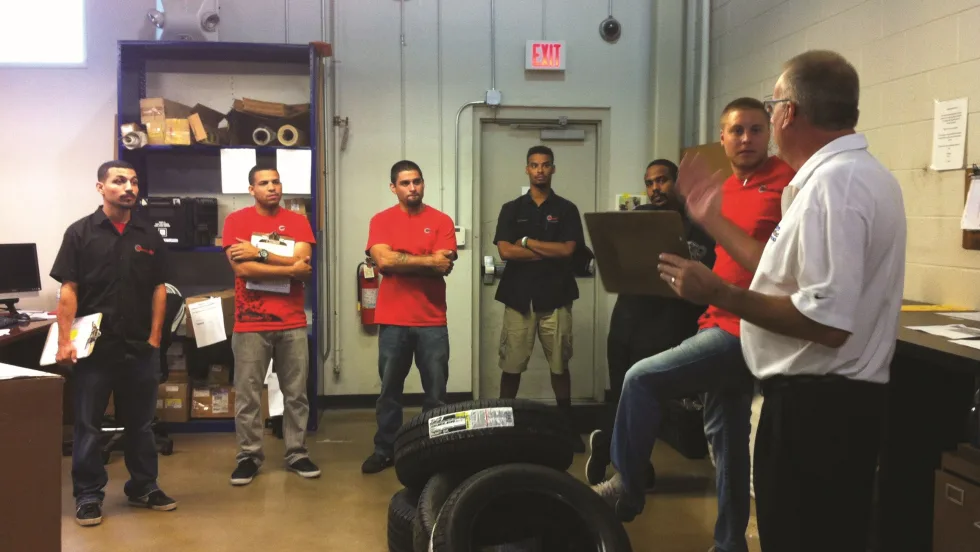
Developing Budget-Friendly Driver Safety Programs
From driver training and safety meetings to one-on-one coaching and incentive programs, several small fleets share how they have developed a safety culture with their drivers using low- to no-cost resources.
Read More →
Boosting Last-Mile Fleet Uptime, Safety, and Value with AI Vehicle Inspections
AI-powered inspections are transforming last-mile fleets by replacing manual checks with highly accurate automated scans that detect defects in seconds. By giving fleet operations visibility into the daily condition of their vehicles, you can identify trends over the vehicle’s lifecycle that enable improved procurement decisions, route management, driver training and accountability.
Read More →
Five Ways Seat Belts Help Prevent Injuries
There are five ways seat belts protect occupants from injuries, according to the Tennessee Department of Safety and Homeland Security.
Read More →
It’s here: The 2026 Fleet Technology Trends Report
What does AI mean for fleets? Get the answer — and learn other top tech trends.
Read More →
Small Fleets, Big Impact: How Independent Drivers Power Wreaths Across America
Check out how small fleets and independent drivers power Wreaths Across America each December and why their impact matters more than ever.
Read More →
VMS Survey Finds 65% of Small Fleet Managers Run Operations Alone
A new VMS survey shows small fleet managers are stretched thin, with most handling operations solo and eager to adopt digital tools for relief.
Read More →
Tips for Driving Safely on Halloween Night
This video features a reminder from the Connecticut Department of Transportation (DOT) and the Connecticut Police Chiefs Association, urging drivers to prioritize safety this Halloween.
Read More →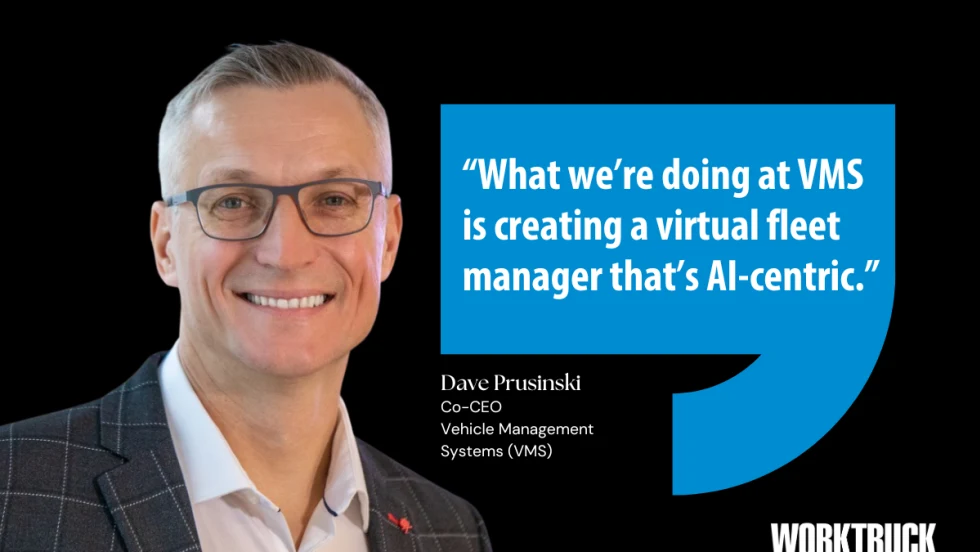
AI, Access, and Uptime: VMS’s Next Chapter with David Prusinski
VMS’s new Co-CEO, David Prusinski, shares how an AI-first approach will give small fleets and repair shops the tools to compete like big players.
Read More →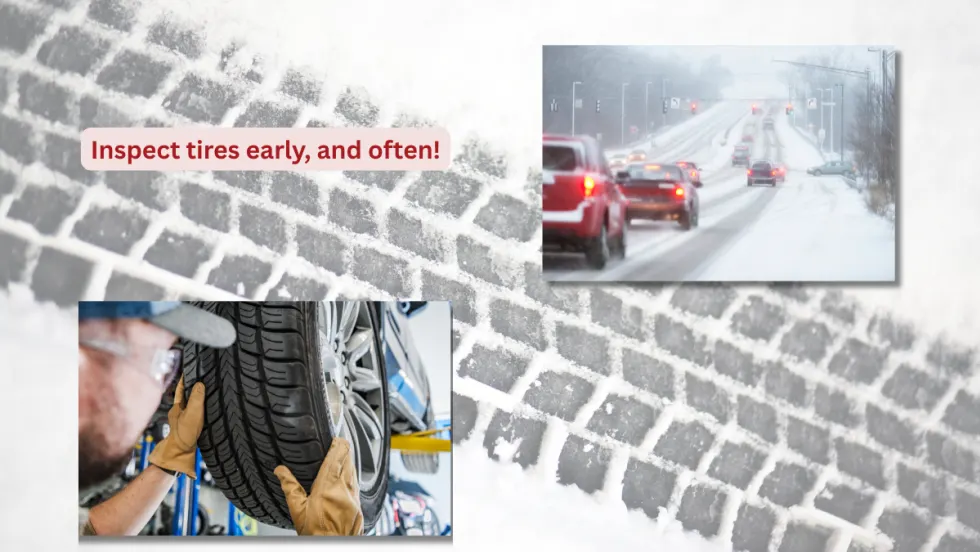
Fleet Managers Share Winter Prep Tips: It's Never Too Early!
Three fleets share best practices to prep vehicles for winter and prevent downtime when the cold sets in.
Read More →