




Four States Win Grants to Battle Drowsy Driving
Iowa, Maryland, Nevada and Tennessee have each won a $15,000 grant to spend on efforts to prevent drowsy driving.
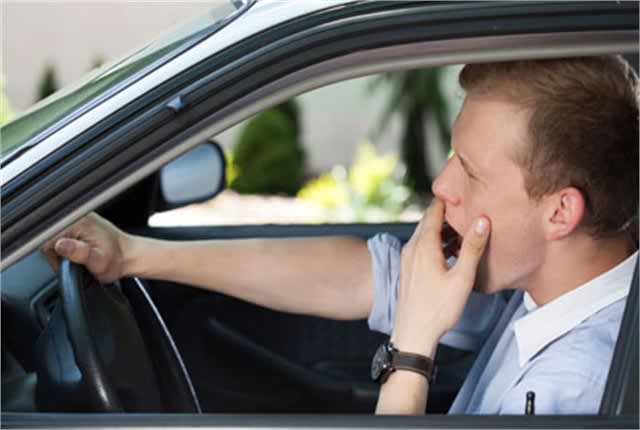
Photo courtesy of Centers for Disease Control and Prevention (CDC).
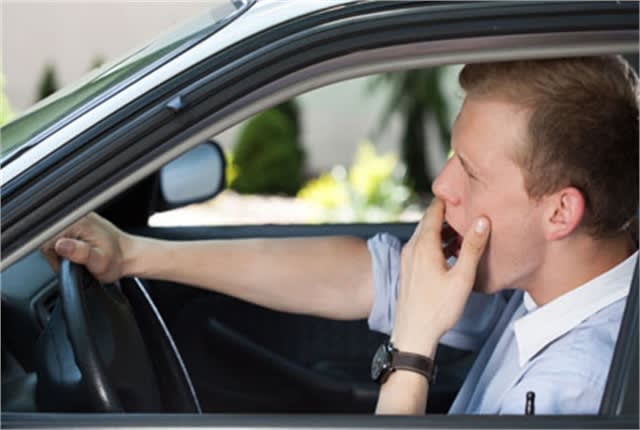
Photo courtesy of Centers for Disease Control and Prevention (CDC).
Four states — Iowa, Maryland, Nevada and Tennessee — have each won a $15,000 grant to implement drowsy driving prevention campaigns this year.
The Governors Highway Safety Association (GHSA) and the National Road Safety Foundation (NRSF) awarded the grants. GHSA announced the winners.
Twelve states applied for the grants, GHSA said. A panel of drowsy driving experts reviewed the applications against a number of criteria and selected the winners.
This competitive grant program was developed to complement a 2016 GHSA report that provided recommendations for states to tackle drowsy driving. The funds will equip states with the resources they need to implement many of the suggestions outlined in this report, including stepped-up public awareness, targeted outreach to high-risk groups, and law enforcement training, GHSA said.
Planned state activities include:
Iowa — Through its Zero Fatalities program, the Iowa Department of Transportation will develop a public awareness campaign that puts drowsy driving on par with drunk, drugged and distracted driving. Messages will be strategically placed at state-owned rest areas and on social media encouraging drivers to stop and take a rest. The Iowa DOT will amplify the message with its own resources, including Iowa's Zero Fatalities website and social media channels. Associated drowsy driving public outreach efforts include Snapchat filters, university partnerships and other Zero Fatalities materials.
Maryland — The Maryland Department of Transportation's Highway Safety Office will focus its efforts on medical shift workers, a population at greater risk for drowsy driving. The program will include educational materials, a social media campaign, PowerPoint slide templates, and an online quiz offering continuing education credit.
Nevada — The Nevada Office of Traffic Safety will provide training for law enforcement to help them better understand the science behind drowsy driving and equip them with the skills they need to recognize drowsy driving behavior. Funds will also be used to educate the public on the seriousness of the issue and to collect more data on the number of traffic stops related to drowsy driving. Additionally, Nevada will develop educational materials and a social media campaign to promote public awareness.
Tennessee — The Tennessee Highway Safety Office will engage with two demographic groups at a greater risk for drowsy driving crashes: teens and truck drivers. By partnering with SADD Tennessee, the state will mobilize students to develop action plans to educate their peers and communities about the dangers of drowsy driving. And working through the Tennessee Trucking Foundation, Tennessee's Road Team Captains will share drowsy driving prevention messages to the public across the state. These Road Team Captains are professional truck drivers with exceptional driving records.
Originally posted on Automotive Fleet
More Small Fleet


Developing Budget-Friendly Driver Safety Programs
From driver training and safety meetings to one-on-one coaching and incentive programs, several small fleets share how they have developed a safety culture with their drivers using low- to no-cost resources.
Read More →
Boosting Last-Mile Fleet Uptime, Safety, and Value with AI Vehicle Inspections
AI-powered inspections are transforming last-mile fleets by replacing manual checks with highly accurate automated scans that detect defects in seconds. By giving fleet operations visibility into the daily condition of their vehicles, you can identify trends over the vehicle’s lifecycle that enable improved procurement decisions, route management, driver training and accountability.
Read More →
Five Ways Seat Belts Help Prevent Injuries
There are five ways seat belts protect occupants from injuries, according to the Tennessee Department of Safety and Homeland Security.
Read More →
It’s here: The 2026 Fleet Technology Trends Report
What does AI mean for fleets? Get the answer — and learn other top tech trends.
Read More →
Small Fleets, Big Impact: How Independent Drivers Power Wreaths Across America
Check out how small fleets and independent drivers power Wreaths Across America each December and why their impact matters more than ever.
Read More →
VMS Survey Finds 65% of Small Fleet Managers Run Operations Alone
A new VMS survey shows small fleet managers are stretched thin, with most handling operations solo and eager to adopt digital tools for relief.
Read More →
Tips for Driving Safely on Halloween Night
This video features a reminder from the Connecticut Department of Transportation (DOT) and the Connecticut Police Chiefs Association, urging drivers to prioritize safety this Halloween.
Read More →
AI, Access, and Uptime: VMS’s Next Chapter with David Prusinski
VMS’s new Co-CEO, David Prusinski, shares how an AI-first approach will give small fleets and repair shops the tools to compete like big players.
Read More →
Fleet Managers Share Winter Prep Tips: It's Never Too Early!
Three fleets share best practices to prep vehicles for winter and prevent downtime when the cold sets in.
Read More →