




Related Photos: Ford's 2018 F-150 XL 3.3L SuperCab
Ford's Diesel F-150: 30 MPG on the Highway
Ford's first diesel-powered 2018 F-150 pickup can deliver an EPA-rated 30 mpg in highway driving, which would put it among the most fuel-efficient pickups available when it goes on sale in the spring.
by Staff
January 8, 2018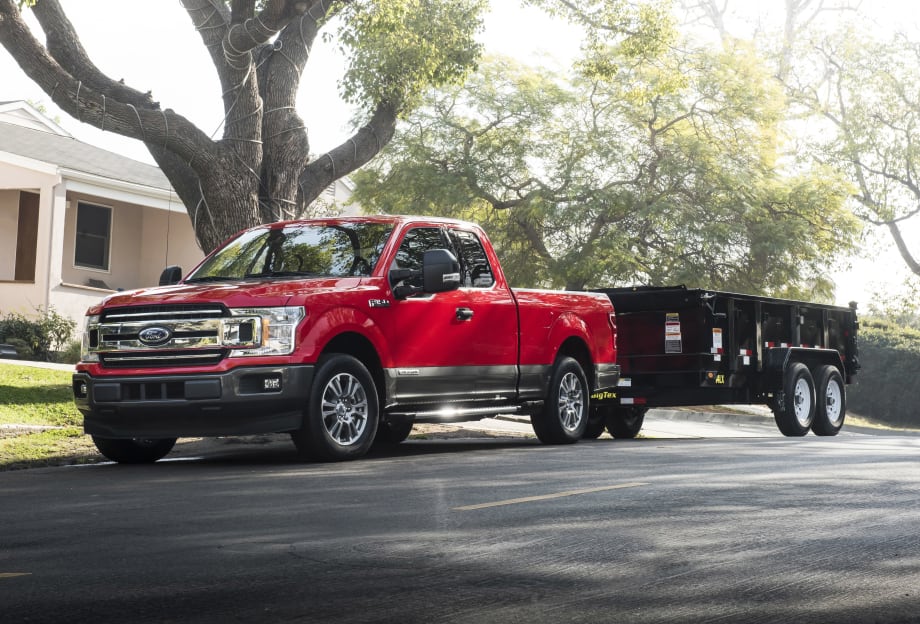
Photo of diesel-powered 2018 F-150 courtesy of Ford.
2 min to read

Photo of diesel-powered 2018 F-150 courtesy of Ford.
Ford's first diesel-powered 2018 F-150 pickup can deliver an EPA-rated 30 mpg in highway driving, which would put it among the most fuel-efficient pickups available when it goes on sale in the spring.
The diesel F-150 is powered by Ford's only diesel V-6 — a 3.0L Power Stroke turbocharged engine that makes 250 horsepower and 440 pounds-feet of torque. It's the sixth engine choice for F-150 customers. The pickup can haul 2,020 pounds of payload and tow up to 11,400 pounds.
Ford is pairing the engine with its SelectShift 10-speed automatic transmission. It will also come with auto stop-start as a standard feature.
Fleet customers can order the diesel F-150 in SuperCrew with a 5.5- or 6.5-foot bed and the SuperCab with the 6.5-foot bed. It will be available in all trim grades. For retail buyers, the engine is available with the Lariat, King Ranch, and Platinum trims.
Ford's diesel V-6 shared technology with the 6.7-liter Power Stroke engine that has powered its Super Duty trucks since 2011. The engine shares the same graphite iron block material and forged steel crank used in the 2.7-liter EcoBoost.
Peak torque comes at 1,750 rpm with torque delivery continuing throughout the rpm range, which is ideal for towing or hauling heavy loads over long distances, according to Ford.
The engine uses a common-rail fuel injection system that adds fuel at 29,000 pounds per square inch. Dual fuel filters improve break-in while a cast-aluminum oil pan and two-stage oil pump reduce parasitic loss and improve fuel efficiency.
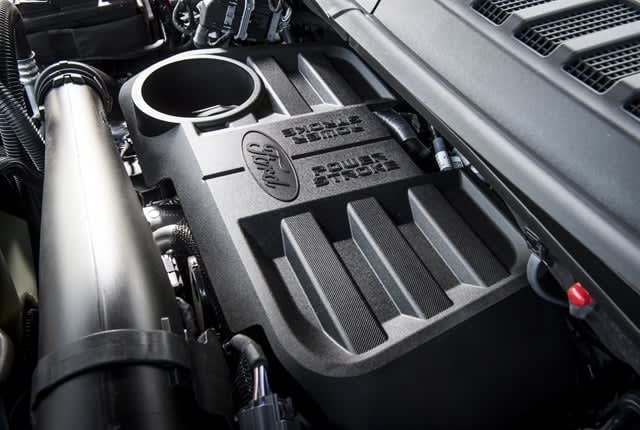
Photo of 3.0L Power Stroke turbo-diesel V-6 courtesy of Ford.
The truck also uses a mechanical engine-driven fan and dual radiator shutters to improve performance when temperatures run high at altitude.
"We know that competing diesels with electric cooling fans have to dial back on power under extreme heat and altitude, so we decided on a viscous-controlled mechanical fan that has the capacity to move much more air across the radiator and intercooler in extreme conditions," said David Ives, Ford's diesel engine technical specialist. "This gives F-150 Power Stroke owners more power and more passing capability in harsh conditions."
When operating under normal conditions, the engine system backs off the fan load through a viscous coupler. It closes down the two radiator shutters to improve aerodynamic efficiency and reduce parasitic engine loss.
Ford has added several other upgrades to the pickup for 2018, including stronger axles for the high-strength steel frame and aluminum-alloy body.
Ford will begin taking orders, including from commercial buyers, later this month, and begin delivering it in the spring. Ford will show the vehicle at the North American International Auto Show in Detroit later this month.
Topics:2018-MYFordFuel EconomyDiesel EnginesFord F-150Large PickupsOperationsVehicle InsightsSmall Fleet
Originally posted on Automotive Fleet
More Operations
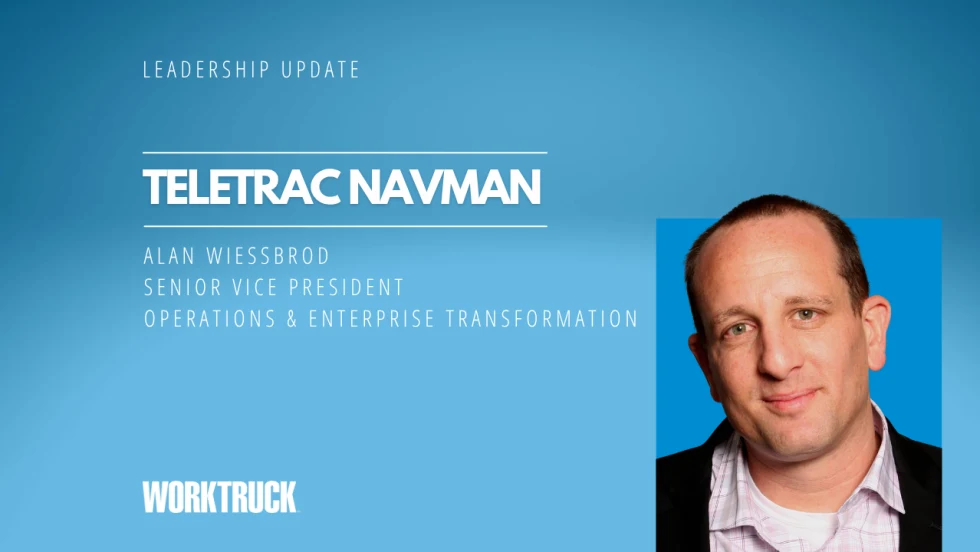
Teletrac Navman Hires SVP of Operations & Enterprise Transformation
Teletrac Navman has appointed Alan Wiessbrod to its senior leadership team as senior vice president, operations and enterprise transformation. The company said he has a strong track record of delivering profitable growth and operational excellence.
Read More →
2027 GM Trucks, Technician Retention, and Fleet Lessons Lead This Week’s News
New GM pickups, technician retention, fleet leadership lessons, winter equipment, and more headline this week’s Truck Chat Weekly Cheat Sheet.
Read More →
Family Ties Inside the Fleet Families Building Careers Across Generations
Three fleet families share what it really takes to work together, learn across generations, and keep business from following them home.
Read More →From Our Partners



Shades of Fleet Call for Voices: Fleet's Hidden Heroes
Fleet’s hidden heroes are often the ones keeping everything moving behind the scenes. September’s Shades of Fleet is looking for dispatchers, coordinators, parts specialists, and other support pros to share their stories.
Read More →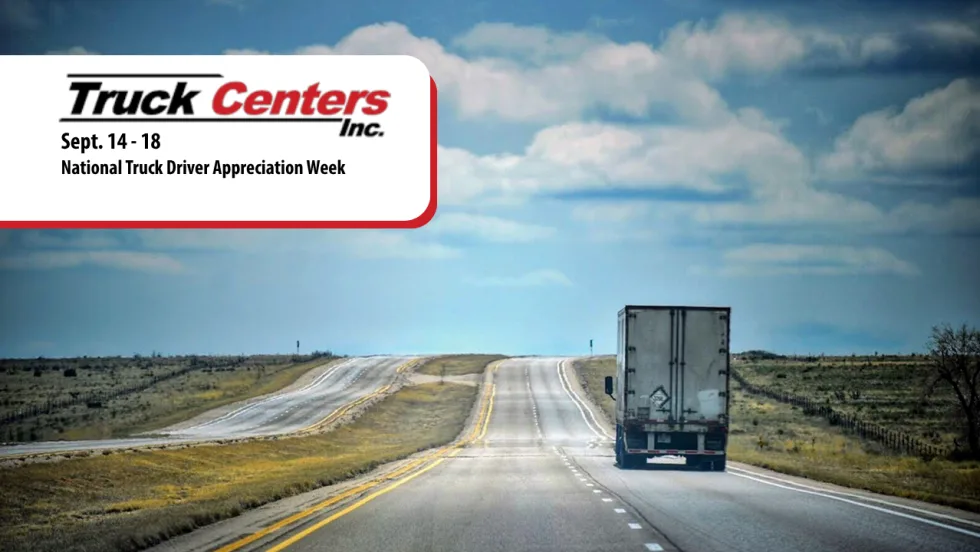
Truck Centers, Inc. Celebrates National Truck Driver Appreciation Week with $1,000 Fuel Card Giveaways
During National Truck Driver Appreciation Week, Truck Centers, Inc. is offering customers a chance to fuel up for free. Customers at all Truck Centers locations can enter to win one of four $1,000 fuel cards from Sept. 14 - 18.
Read More →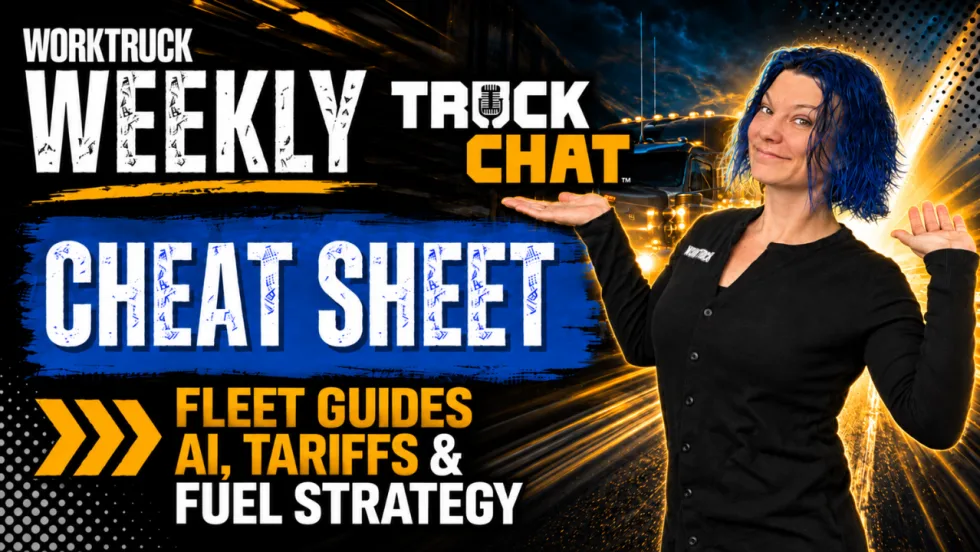
Fleet Guides, AI Time-Savers, Truck Tariffs & Fuel Strategy Lead the News
This week’s Truck Chat Cheat Sheet covers new fleet vehicle guides, practical AI use cases, U.S.-Canada truck production, mixed-energy strategy, and more.
Read More →
What Fleet Employers Are Missing When Hiring Veterans
What if some of the strongest candidates for fleet are already out there, but their experience is written in a language our industry does not always recognize?
Read More →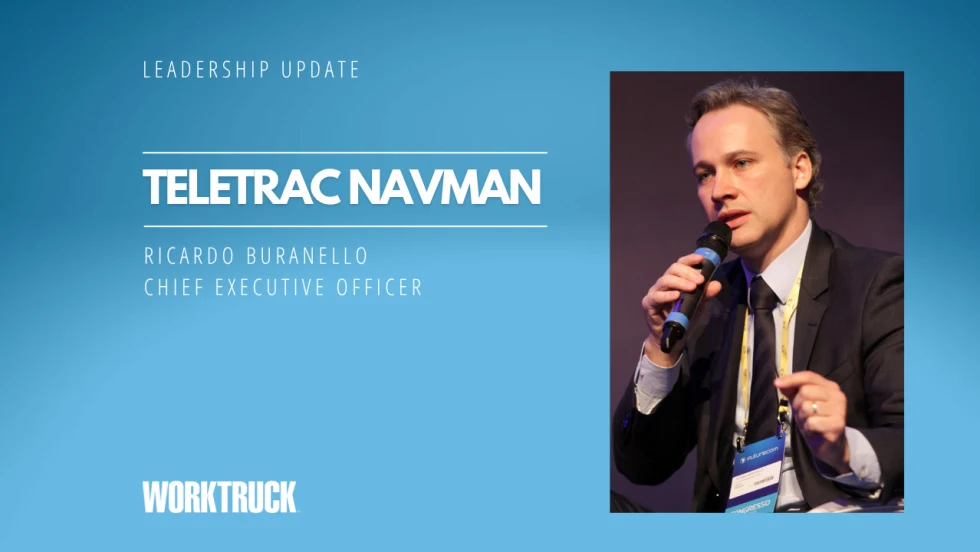
Teletrac Navman Promotes New CEO from Within
Teletrac Navman’s next CEO, Ricardo Buranello, has served as the company’s chief financial and operating officer. He brings deep financial and operational expertise, a strong strategic orientation, and an intimate knowledge of the business to his new role.
Read More →
Automotive Fleet Opens 2026 Personal Use Survey for Commercial Fleet Managers
Less than two weeks left! Commercial and corporate fleet managers are invited to share how their organizations handle company vehicle personal-use policies, charges, and driver eligibility.
Read More →
What Resilient Fleets Do Differently When Conditions Change
Fleet resilience is about more than reacting to disruption. Lauren Fletcher talks with AP Fleet’s Alex Coveney about flexibility, planning, scaling, and what helps fleets adapt when business conditions shift.
Read More →