




Ford Will Develop EPA's Clean Diesel Engine
New engine gets 30-40 percent better mileage than a gasoline engine and meets EPA's strict emission standards for nitrogen oxide.
Ford Motor Company has signed an agreement with the Environmental Protection Agency (EPA) to develop a new diesel engine that meets tough new emissions standards to be phased in over the next few years in the United States. Ford and EPA announced the agreement last Friday at EPA's National Vehicle and Fuel Emissions Laboratory in Ann Arbor, Michigan. On display was a Ford Galaxy minivan that demonstrated 'Clean Diesel Combustion' (CDC) technology, developed by EPA. The diesel minivan gets 30-40 percent better mileage than a gasoline minivan, while meeting EPA's emission standards for nitrogen oxide, EPA researchers claimed in news reports. Diesel fuel has given off far higher levels of harmful smog-forming pollutants than gasoline, but the difference has narrowed considerably as technology has improved in recent years. Tough new federal regulations will soon require diesel and gasoline-powered cars to reach the same emissions levels, making it harder for automakers to bring diesel vehicles to the United States. The chief hurdle is reaching a low level of emissions for one pollutant, nitrogen oxide. Most companies say that filtration or treatment technologies to remove nitrogen oxide will be costly and complex. The diesel engine developed by the E.P.A. does not require filtration because it uses a combustion temperature that is far lower than usual, preventing the creation of nitrogen oxide.
More Small Fleet


Developing Budget-Friendly Driver Safety Programs
From driver training and safety meetings to one-on-one coaching and incentive programs, several small fleets share how they have developed a safety culture with their drivers using low- to no-cost resources.
Read More →
Boosting Last-Mile Fleet Uptime, Safety, and Value with AI Vehicle Inspections
AI-powered inspections are transforming last-mile fleets by replacing manual checks with highly accurate automated scans that detect defects in seconds. By giving fleet operations visibility into the daily condition of their vehicles, you can identify trends over the vehicle’s lifecycle that enable improved procurement decisions, route management, driver training and accountability.
Read More →
Five Ways Seat Belts Help Prevent Injuries
There are five ways seat belts protect occupants from injuries, according to the Tennessee Department of Safety and Homeland Security.
Read More →
It’s here: The 2026 Fleet Technology Trends Report
What does AI mean for fleets? Get the answer — and learn other top tech trends.
Read More →
Small Fleets, Big Impact: How Independent Drivers Power Wreaths Across America
Check out how small fleets and independent drivers power Wreaths Across America each December and why their impact matters more than ever.
Read More →
VMS Survey Finds 65% of Small Fleet Managers Run Operations Alone
A new VMS survey shows small fleet managers are stretched thin, with most handling operations solo and eager to adopt digital tools for relief.
Read More →
Tips for Driving Safely on Halloween Night
This video features a reminder from the Connecticut Department of Transportation (DOT) and the Connecticut Police Chiefs Association, urging drivers to prioritize safety this Halloween.
Read More →
AI, Access, and Uptime: VMS’s Next Chapter with David Prusinski
VMS’s new Co-CEO, David Prusinski, shares how an AI-first approach will give small fleets and repair shops the tools to compete like big players.
Read More →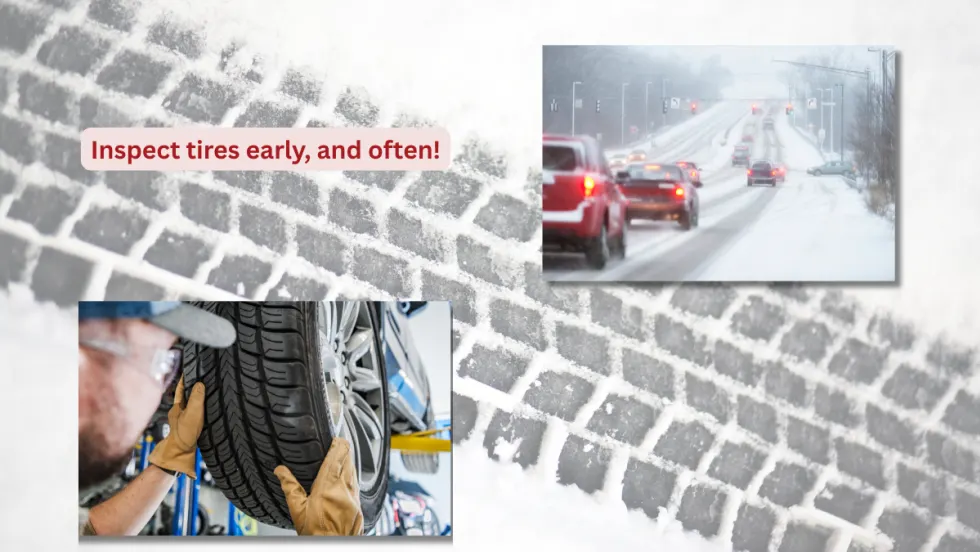
Fleet Managers Share Winter Prep Tips: It's Never Too Early!
Three fleets share best practices to prep vehicles for winter and prevent downtime when the cold sets in.
Read More →