




Ford Using 3D Imaging to Improve F-Series Quality
Ford engineers are using 3D mapping in what is believed to be the technology’s first application in the auto industry to better analyze rear axle parts of F-Series pickups during assembly, leading to a smoother, quieter ride for drivers of Ford trucks.
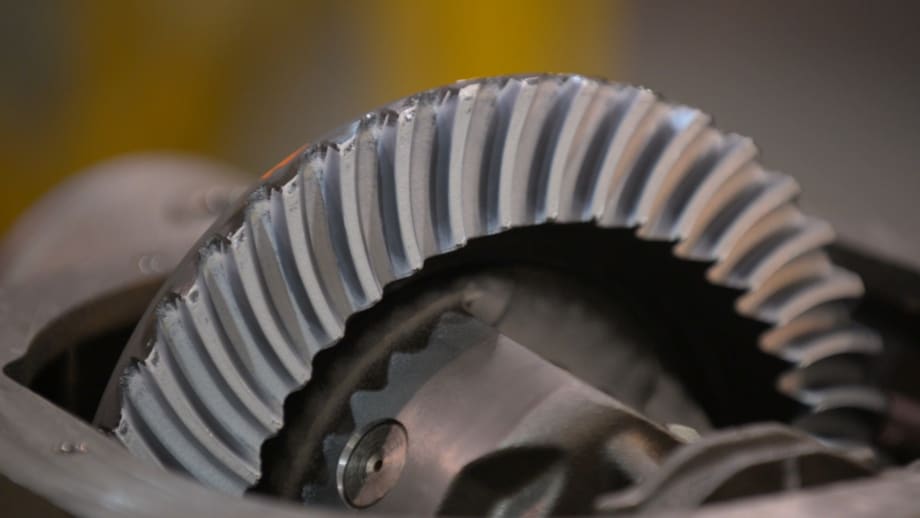
he processing system contains a digital model of the gear profile that is then used to stitch these images together and flatten out the gear teeth into a single 3D panoramic image that can easily be scanned to ensure the teeth are meshing correctly.
Ford engineers are using 3D mapping in what is believed to be the technology’s first application in the auto industry to better analyze rear axle parts of F-Series pickups during assembly, leading to a smoother, quieter ride for drivers of Ford trucks, according to the automaker.
Similar to Google Earth, which uses three-dimensional imaging to map the world, Ford’s photogrammetric pattern reader (PPR) uses a pair of digital cameras to combine photos of the axle gears into a series of 3D pictures that are compared against an ideal computer model of the gears. Gears that don’t meet “Built Ford Tough” specifications are discarded.
“PPR technology is the next evolution in quality control for our commercial trucks,” said David Gravel, an engineer in Ford’s advanced manufacturing group. “While traditional, visual inspections of our axle gears ensure we’re delivering dependable, tough trucks to our customers, this new technology allows us to conduct our inspections faster, and at a level of detail the human eye just cannot discern.
“We constantly look for ways to go further for our customers,” he added, “and this system is one example of how we are making our trucks even more reliable.”
Ford’s system uses line scan cameras and infrared lights to turn a series of two-dimensional image slices into a single three-dimensional image for analysis. It was developed with Madison, Wis.-based Automated Vision and ATM Automation in Livonia, Mich.
“This technology is part of a trend where companies like Ford are using advanced automation to increase accuracy and consistency in production,” said Nan Zhang, a scientist at Automated Vision. “Computer vision is booming and is a very important topic for the next decade.”
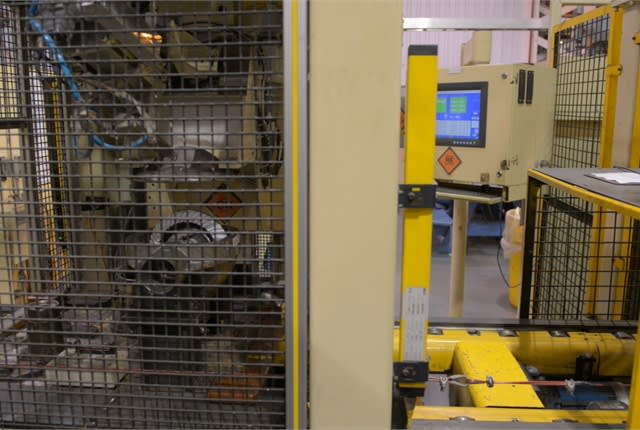
Now in use at Ford’s Sterling Axle Plant in Sterling Heights, Mich., PPR stations are being rolled out in Ford plants worldwide.
Now in use at Ford’s Sterling Axle Plant in Sterling Heights, Mich., PPR stations are being rolled out in Ford plants worldwide.
How does it work?
The complex curvature of the hypoid gears used on the rear axle ring and pinion makes it impossible to see both sides of each gear tooth in a single image. The two cameras used on the inspection rig capture 9,000 1024x1-pixel images from each side of every gear tooth in a matter of seconds as the gears rotate. The processing system contains a digital model of the gear profile that is then used to stitch these images together and flatten out the gear teeth into a single 3D panoramic image that can easily be scanned to ensure the teeth are meshing correctly.
Any parts that show anomalies that could cause noise or durability issues are scrapped. On average, only two to five parts per every 1,000 parts fall outside the tight tolerance range for acceptability.
RELATED CONTENT
More Maintenance & Uptime

Kooner and Global Partners Connect Mobile Fleet Maintenance and Fueling Services
A new referral partnership connects on-site fueling and maintenance services, with a focus on reducing off-site trips and making better use of fleet downtime.
Read More →
Maintenance Failures That Sideline Work Trucks and the Inspection List That Catches Them Early
Unplanned downtime hurts efficiency and even profitability for work truck fleets, but catching potential problems early can help prevent it. Here is an inspection list that can help potentially prevent that downtime.
Read More →
Hunter Engineering Enters Collaborates with Bosch for Remote Diagnostics Service Through ADASLink
Hunter Engineering’s collaboration with Bosch enables ADASLink to connect directly with Bosch diagnostic experts through an integrated remote support platform, allowing shops to service more vehicles.
Read More →From Our Partners
How JASPER Keeps Fleets Moving and Profitable
Sponsored by Jasper Engines & Transmissions
Basic Tracking vs Next Generation Fleet Technology
Sponsored by AT&T Business
5 Facts Every Fleet Manager Should Know About Embedded Telematics
Sponsored by Stellantis/Mobilisights
How AI Video Telematics Boosts Driver Safety and Helps to Avoid Unnecessary Costs
Sponsored by Verizon Connect

Charting the 8 Bottom-Line Benefits of Workforce Optimization
Sponsored by Verizon Connect

Mack Adds Chassis Coverage Options for Fleet Repair Costs
Mack Trucks introduced four system-specific chassis coverage plans, giving fleets more flexibility to manage repair costs for driveline, HVAC, electronics, safety systems, and other components.
Read More →
GM Launches ‘30 Under 30’ Program to Elevate Automotive Service Technicians and Inspire the Next Generation
The GM Automotive Service Technicians 30 Under 30 program honors GM service technicians under the age of 30 who demonstrate continuous technical training, exemplary customer service, mentorship, and leadership.
Read More →
Kooner Fleet Management Solutions Named Exclusive On-Site Fleet Maintenance Provider for Safe Truck Parking
A strategic partnership between Kooner Fleet Management Solutions and Safe Truck Parking brings mobile maintenance and 24/7 repair services directly to Safe Truck Parking locations, beginning in San Diego, California, with nationwide expansion planned.
Read More →
Building a Better Vehicle Replacement Model
Meter readings still matter, but engine hours, idle time, maintenance trends, and utilization can help fleets spot costly vehicles before the odometer does.
Read More →
How JASPER Keeps Fleets Moving and Profitable
Every business decision within fleet management ultimately comes down to financial performance. Investing in dependable replacement powertrain components and responsive support can measurably impact the bottom line.
Read More →
Ryder Honors 2026 Top Technician at 25th Anniversary Skills Competition
Hosted in Nashville, Ryder’s 25th annual Top Technician Skills Competition honored the best technicians across the U.S. and Canada. Top Tech celebrates technician expertise while promoting growth, recognition, and camaraderie. Here are the winners.
Read More →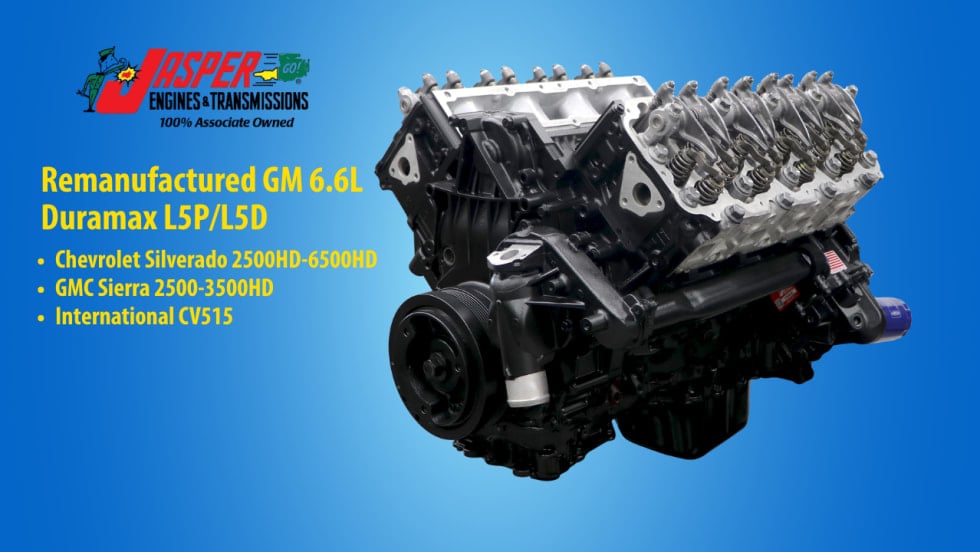
Jasper Offers GM 6.6L Duramax L5P/L5D Complete Format Diesel Engines
Jasper Engines & Transmissions now offers the remanufactured GM Duramax 6.6L L5P/L5D as a complete format engine for several General Motors and International 2017-2023 HD pickup trucks.
Read More →