




Ford to Offer Lane Keeping System on New Fusion
DEARBORN, MI - LKS uses a digital camera mounted on the windshield (in front of the rearview mirror) that allows the Fusion to watch the road ahead to detect an unintentional lane departure.
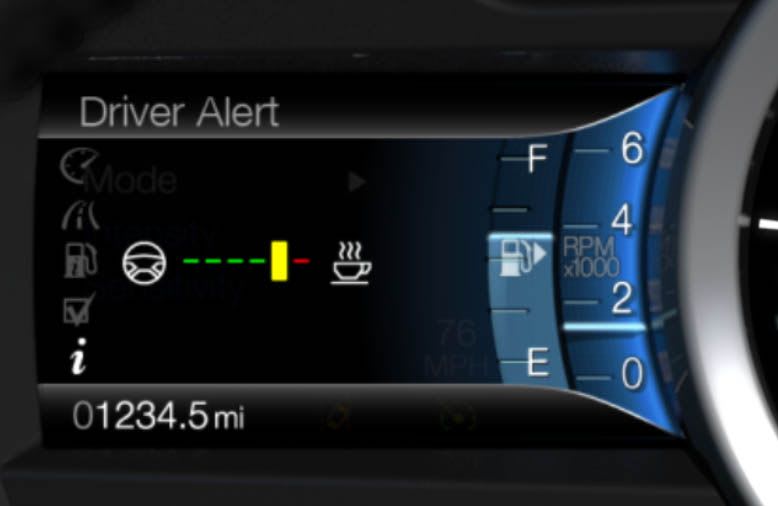
Ford's Lane Keeping System.
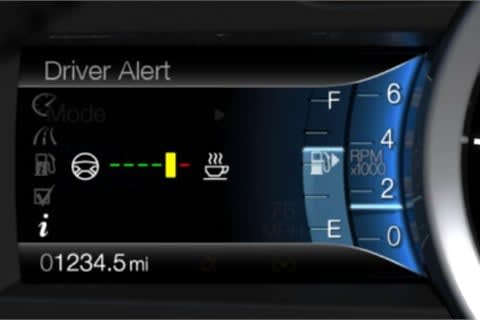
Ford's Lane Keeping System.
DEARBORN, MI – Ford provided a tidbit about the upcoming second-generation Fusion’s safety systems, which will include the automaker’s Lane Keeping System (LKS). The vehicle is set to debut at the Detroit Auto Show in January.
Ford said it intends to roll out this system on a range of vehicles in the coming years. The new Escape will also feature this system.
LKS uses a digital camera mounted on the windshield (in front of the rearview mirror) that allows the Fusion to watch the road ahead to detect an unintentional lane departure. The Ford Lane Keeping System has three levels of assistance available to the driver depending on what is happening: Lane Keeping Alert, Lane Keeping Aid and Driver Alert. The driver has to activate LKS.
Once the vehicle reaches a speed faster than 40 mph, and lane markers are clearly visible on the road, an icon that looks like a car between two lanes lights up green in the instrument cluster to indicate the system is enabled. LKS uses the vehicle’s electric power-assisted steering (EPAS), also used in the new Fusion, to provide a vibrating alert to the driver and then steer the car back into the lane if the driver doesn’t respond.
When the system detects the car is approaching the edge of the lane without a turn signal activated, the lane marker in the icon turns yellow and the steering wheel vibrates. If the driver doesn’t respond and continues to drift, the lane icon turns red and EPAS will nudge the steering and the vehicle back toward the center of the lane. If the car continues to drift, the vibration is added again along with the nudge. The driver can overcome assistance and vibration at any time by turning the steering wheel, accelerating, or braking.
Originally posted on Automotive Fleet
More Small Fleet

Developing Budget-Friendly Driver Safety Programs
From driver training and safety meetings to one-on-one coaching and incentive programs, several small fleets share how they have developed a safety culture with their drivers using low- to no-cost resources.
Read More →
Boosting Last-Mile Fleet Uptime, Safety, and Value with AI Vehicle Inspections
AI-powered inspections are transforming last-mile fleets by replacing manual checks with highly accurate automated scans that detect defects in seconds. By giving fleet operations visibility into the daily condition of their vehicles, you can identify trends over the vehicle’s lifecycle that enable improved procurement decisions, route management, driver training and accountability.
Read More →

Five Ways Seat Belts Help Prevent Injuries
There are five ways seat belts protect occupants from injuries, according to the Tennessee Department of Safety and Homeland Security.
Read More →
Basic Tracking vs Next Generation Fleet Technology
Fleet software is getting more sophisticated and effective than ever, tying big data models together to transform maintenance, safety, and the value of your existing tech stack. Fleet technology upgrades are undoubtedly an investment, but updated technology can offer a much higher return. Read how upgrading your fleet technology can increase the return on your investment.
Read More →
It’s here: The 2026 Fleet Technology Trends Report
What does AI mean for fleets? Get the answer — and learn other top tech trends.
Read More →
Small Fleets, Big Impact: How Independent Drivers Power Wreaths Across America
Check out how small fleets and independent drivers power Wreaths Across America each December and why their impact matters more than ever.
Read More →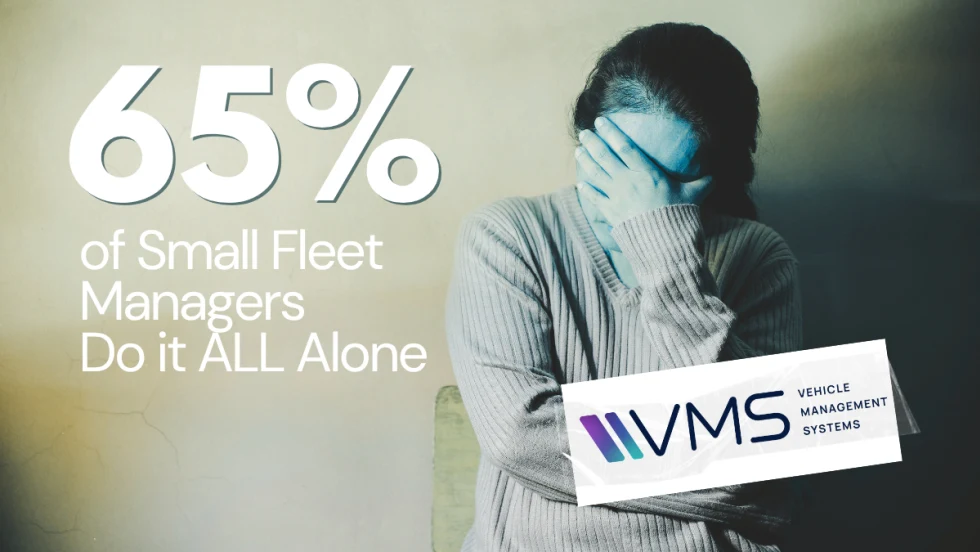
VMS Survey Finds 65% of Small Fleet Managers Run Operations Alone
A new VMS survey shows small fleet managers are stretched thin, with most handling operations solo and eager to adopt digital tools for relief.
Read More →
Tips for Driving Safely on Halloween Night
This video features a reminder from the Connecticut Department of Transportation (DOT) and the Connecticut Police Chiefs Association, urging drivers to prioritize safety this Halloween.
Read More →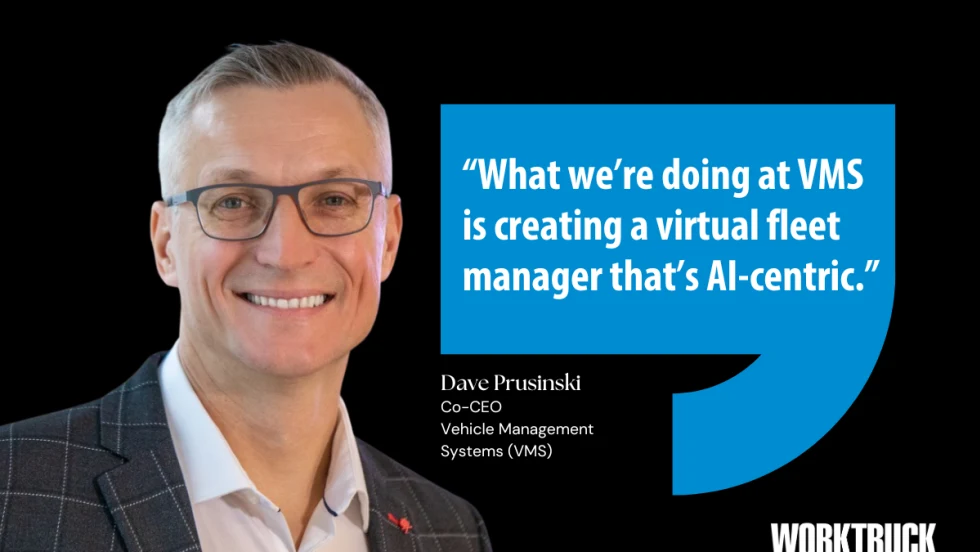
AI, Access, and Uptime: VMS’s Next Chapter with David Prusinski
VMS’s new Co-CEO, David Prusinski, shares how an AI-first approach will give small fleets and repair shops the tools to compete like big players.
Read More →