



Ford Sponsors Cell Phone Distraction Study
To address concerns that cell phone use in cars has caused more crashes, Ford Motor Company investigating the control of electronic devices by voice, touch or see-through windshield displays. While attorneys for Ford work to settle lawsuits brought against the automaker in the Firestone tire debacle, efforts are apparently underway to improve the company's safety image. After unveiling the latest onboard wireless gadgets for vehicles at the 2001 North American International Auto Show in Detroit, Ford announced plans to open a $10 million virtual test track to study workload and distraction issues related to the use of electronic devices while driving. The Virtual Test Track Experiment, or VIRTTEX, is designed to allow researchers to measure a driver's ability to safely handle common traffic situations while using mobile phones, navigation systems and other in-car electronic equipment that is fast becoming standard in the automotive industry, according to Ford officials. The company says the simulator also will give it customer insight into areas related to driving dynamics, active safety, vehicle Internet access, automotive multimedia and driveability. The system will be designed to address automakers' concerns that an increase in the installation of wireless handheld and in-dash electronic devices is compromising driver safety. The goal, according to Ford, is to establish a scientific basis for in-vehicle human-machine interface standards for the auto industry. The National Highway Traffic Safety Administration's Fatal Accident Reporting System revealed that driver inattention caused 10 percent of all fatal crashes in 1999. Ford scientists will duplicate highway driving in a controlled laboratory setting, providing another tool for the company and other automakers to develop user-friendly dashboard devices for customers. VIRTTEX computers will create a virtual driving environment in which participants sit behind the wheel and begin driving according to test instructions. In addition to collecting data on steering, speed control and braking, all tests will be recorded by five in-car cameras that monitor and record the road scene and the driver's hand, eye and foot movements. Testing is scheduled to begin in the first half of 2001, according to Ford. Laws Limit Car Phone Use The skyrocketing use of car phones, with the corresponding safety issues, has led to legislation throughout the country banning the use of handheld mobile phones in vehicles. A law introduced in New York would ban the use of such phones by drivers and is expected to pass with little opposition. To address such concerns, automakers are investigating the control of electronic devices by voice, touch or displays that use see-through messages on the windshield. The Ford Research Laboratory also has teamed with the University of Michigan Transportation Research Institute to study potentially distracting in-car systems, and Ford is a founding partner of the Crash Avoidance Metrics Partnership (CAMP), which works with the U.S. Department of Transportation (DoT) to address distraction issues through development of driver workload metrics and methods, including an acceptable criterion for the accessibility of electronic devices by the driver while the vehicle is in motion. Meanwhile, automakers and their suppliers are racing to perfect onboard electronic advances for vehicles. At the Detroit auto show, General Motors displayed the Terracross, a concept SUV equipped with a dash-mounted PC and cellular modem access, designed to meet the demands of younger consumers for more gadgets in their vehicles. GM's OnStar service uses GPS (Global Positioning System) satellite technology and wireless communication to link the driver and vehicle to the 24-hour OnStar Center, where advisors provide real-time, personalized help. OnStar services include Personal Calling, which lets drivers make and receive phone calls in a hands-free, voice-activated manner using a phone embedded in the vehicle; and Virtual Advisor, which offers automated stock quotes, weather updates, traffic reports and e-mail via the vehicle's speakers.
More Small Fleet


Developing Budget-Friendly Driver Safety Programs
From driver training and safety meetings to one-on-one coaching and incentive programs, several small fleets share how they have developed a safety culture with their drivers using low- to no-cost resources.
Read More →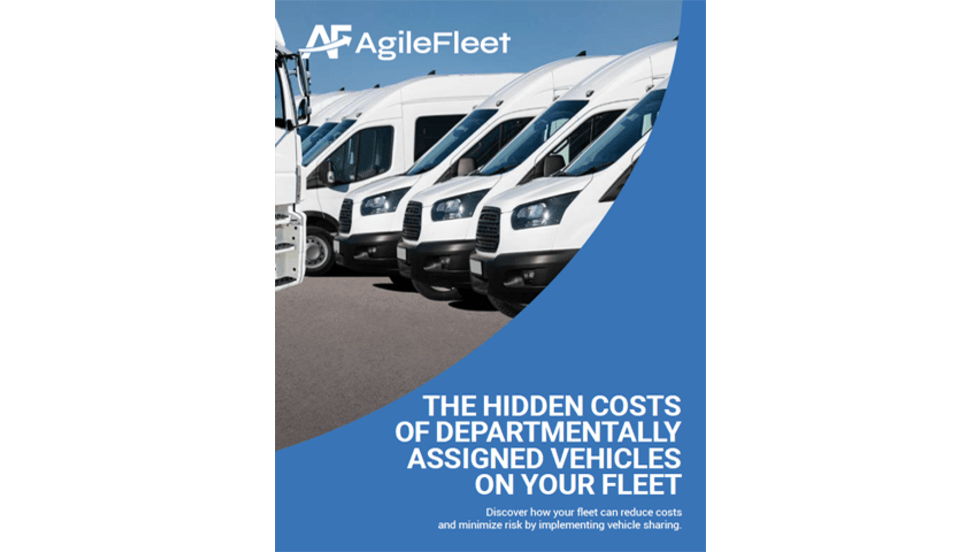
Why Fleet Managers Are Replacing Departmental Vehicles with Shared Motor Pools
Departmentally assigned vehicles often create hidden costs through underutilization, poor visibility, and increased administrative burden. This white paper explores how shared motor pool strategies help fleets reduce costs, improve accountability, and optimize vehicle utilization.
Read More →
Boosting Last-Mile Fleet Uptime, Safety, and Value with AI Vehicle Inspections
AI-powered inspections are transforming last-mile fleets by replacing manual checks with highly accurate automated scans that detect defects in seconds. By giving fleet operations visibility into the daily condition of their vehicles, you can identify trends over the vehicle’s lifecycle that enable improved procurement decisions, route management, driver training and accountability.
Read More →
Five Ways Seat Belts Help Prevent Injuries
There are five ways seat belts protect occupants from injuries, according to the Tennessee Department of Safety and Homeland Security.
Read More →
It’s here: The 2026 Fleet Technology Trends Report
What does AI mean for fleets? Get the answer — and learn other top tech trends.
Read More →
Small Fleets, Big Impact: How Independent Drivers Power Wreaths Across America
Check out how small fleets and independent drivers power Wreaths Across America each December and why their impact matters more than ever.
Read More →
VMS Survey Finds 65% of Small Fleet Managers Run Operations Alone
A new VMS survey shows small fleet managers are stretched thin, with most handling operations solo and eager to adopt digital tools for relief.
Read More →
Tips for Driving Safely on Halloween Night
This video features a reminder from the Connecticut Department of Transportation (DOT) and the Connecticut Police Chiefs Association, urging drivers to prioritize safety this Halloween.
Read More →
AI, Access, and Uptime: VMS’s Next Chapter with David Prusinski
VMS’s new Co-CEO, David Prusinski, shares how an AI-first approach will give small fleets and repair shops the tools to compete like big players.
Read More →