




Ford Improves MPG and Performance on 2013-MY Flex
DEARBORN, MI – Ford said the new version of its Flex will get a number of upgrades for MY-2013, from improved fuel economy on its new 3.5L V-6 to better performance, new safety technologies, and the next generation of Ford’s MyFord Touch infotainment system.
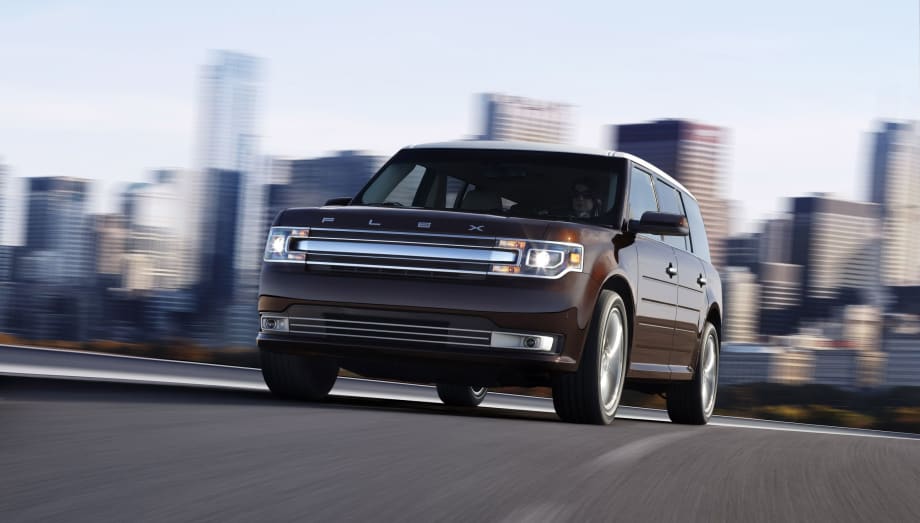
DEARBORN, MI – Ford said the new version of its Flex will get a number of upgrades for MY-2013, from improved fuel economy on its upgraded 3.5L V-6 to better performance, new safety technologies, and the next generation of Ford’s MyFord Touch infotainment system. The 2013-MY Flex will debut at the LA Auto Show.
Performance
The new base engine for the Flex is Ford’s 3.5L V-6, to which Ford added twin independent variable camshaft timing (Ti-VCT). Ford said it expects MPG with this engine to provide 18 mpg city, 25 mpg highway, which is 1 mpg better than the previous model. In addition, Ford said the new engine will be capable of producing 285 hp, which is 20 hp better than the previous engine. Torque will be 255 lb. ft.
Ford said it’s still offering the direct injection 3.5L EcoBoost V-6 engine option on the Flex, which provides 355 hp and 350 lb. ft. of torque.
Both engines are mated to a six-speed SelectShift Automatic transmission. With this transmission, paddle shifters are integrated into the steering wheel spokes. A thumb shift is new for 2013 with the standard engine models, according to Ford.
Ford said it improved efficiency on both engines using electric power-assisted steering (EPAS) technology. EPAS improves fuel economy by approximately 4 percent and reduces emissions.
The Flex also has a new battery management system. The technology allows the vehicle to control alternator and overall system voltage based on battery condition, vehicle operating state, and the electrical load. It also provides feedback on the battery condition to the vehicle and monitors battery temperature.
Safety Technology
The 2013-MY Flex offers a range of new safety technologies, for example the first production rear inflatable seatbelts for passengers in the back seats and an advanced restraint system designed to reduce potential head, neck, and chest injuries for passengers in the back seats.
Another technology on the new Flex is radar-enabled adaptive cruise control (AAC) and collision warning with brake support and a Blind Spot Information System (BLIS). The AAC technology scans for vehicles in front of the Flex 20 times per second, can detect vehicles up to 150 yards away, and can detect speed changes as small as 1/4 mph.
In-Vehicle Technology
The new Flex comes with the upgraded version of Ford’s SYNC-based MyFord Touch infotainment system. The new system features upgraded graphics and system performance, which Ford said initial tests say show system responses are twice as fast as the current version of MyFord Touch.
The MyFord Touch system includes two 4.2-inch screens in the instrument cluster and an eight-inch screen in the center stack.
The Flex also offers SYNC features, including includes 911 Assist, the automated emergency calling service from Ford; Vehicle Health Report, which provides on-demand diagnostic and maintenance information; and hands-free, voice-activated calling via a Bluetooth-connected mobile phone or USB-connected music player.
Styling
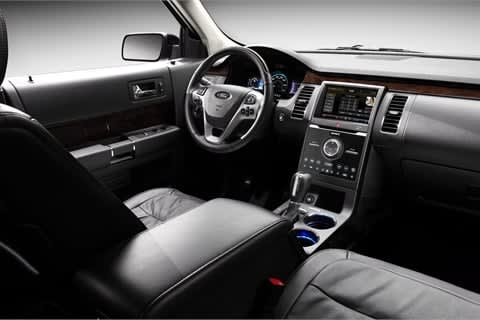
The Flex also features a new Appearance Package on the Limited and SEL models. The package includes an available two-tone roof and mirrors, 20-inch machined aluminum wheels with painted pockets, leather seats, differently styled door trim panels, and other interior upgrades.
In terms of paint schemes, the Flex comes in 9 exterior colors, which includes three new colors for MY-2013. The new colors include Ruby Red, Deep Impact Blue, and Kodiak Brown. Customers also can choose from body-color roofs, or two-tone with white, gray, or black available on the Appearance Package. The Flex offers six available wheel styles, too.
Production
The Ford Flex is built at Oakville Assembly Complex in Ontario, Canada.
Originally posted on Automotive Fleet
More Small Fleet

Developing Budget-Friendly Driver Safety Programs
From driver training and safety meetings to one-on-one coaching and incentive programs, several small fleets share how they have developed a safety culture with their drivers using low- to no-cost resources.
Read More →
Boosting Last-Mile Fleet Uptime, Safety, and Value with AI Vehicle Inspections
AI-powered inspections are transforming last-mile fleets by replacing manual checks with highly accurate automated scans that detect defects in seconds. By giving fleet operations visibility into the daily condition of their vehicles, you can identify trends over the vehicle’s lifecycle that enable improved procurement decisions, route management, driver training and accountability.
Read More →
Five Ways Seat Belts Help Prevent Injuries
There are five ways seat belts protect occupants from injuries, according to the Tennessee Department of Safety and Homeland Security.
Read More →
It’s here: The 2026 Fleet Technology Trends Report
What does AI mean for fleets? Get the answer — and learn other top tech trends.
Read More →
Small Fleets, Big Impact: How Independent Drivers Power Wreaths Across America
Check out how small fleets and independent drivers power Wreaths Across America each December and why their impact matters more than ever.
Read More →
VMS Survey Finds 65% of Small Fleet Managers Run Operations Alone
A new VMS survey shows small fleet managers are stretched thin, with most handling operations solo and eager to adopt digital tools for relief.
Read More →
Tips for Driving Safely on Halloween Night
This video features a reminder from the Connecticut Department of Transportation (DOT) and the Connecticut Police Chiefs Association, urging drivers to prioritize safety this Halloween.
Read More →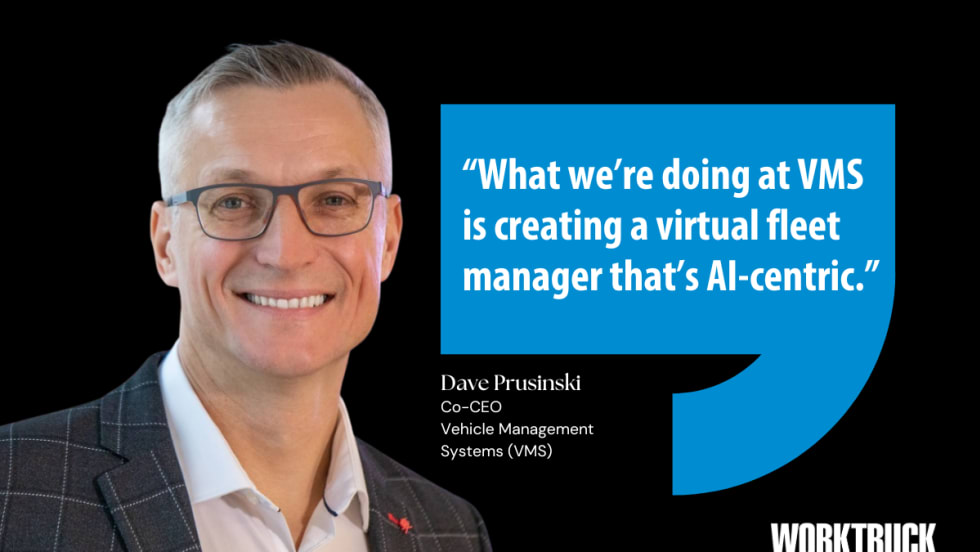
AI, Access, and Uptime: VMS’s Next Chapter with David Prusinski
VMS’s new Co-CEO, David Prusinski, shares how an AI-first approach will give small fleets and repair shops the tools to compete like big players.
Read More →
Fleet Managers Share Winter Prep Tips: It's Never Too Early!
Three fleets share best practices to prep vehicles for winter and prevent downtime when the cold sets in.
Read More →