




Ford, GM Cut Costs, Post Q2 Profit
Ford reported a net profit of 31 cents per share, or $750 million, for Q2 2007. Ford said it is exploring sale of Jaguar and Land Rover. GM's $891 million second-quarter profit was more than double analysts' estimates. GM earned $891 million, or $1.56 a share, compared with a net loss of $3.4 billion, or $5.98.
Ford Motor Company reported last week a net profit of 31 cents per share, or $750 million, for the second quarter of 2007. This compares with a net loss of 17 cents per share, or $317 million, in the second quarter of 2006. Ford's second-quarter revenue was $44.2 billion, up from $41.9 billion a year ago. The increase primarily reflected currency exchange, mix and net pricing improvements, partially offset by lower volume. Special items - which primarily reflected the sale of Aston Martin and the recognition of previously deferred gains on certain hedges at Jaguar and Land Rover - increased pre-tax results by $443 million in the second quarter. With regard to Jaguar and Land Rover, the company confirmed it is currently exploring in greater detail the potential sale of the combined business and is in discussions with selected parties who have expressed interest. The company also is conducting a strategic review of Volvo that likely will conclude prior to year-end. GM earned $891 million, or $1.56 a share, more than double analysts' estimates on rising sales in Europe and reduced spending in North America. GM CEO Rick Wagoner says GM trimmed North American losses by cutting health-care and manufacturing costs. GM's European unit had its biggest profit since 1996 on a 9.4 percent revenue gain led by models such as the Opel Corsa and Astra. Though profits rose, GM revenue declined 13 percent to $46.8 billion on the sale of a majority stake in GMAC LLC, the former General Motors Acceptance Corp. finance unit. Also, GM's restructuring costs dropped 89 percent to $520 million.
More Small Fleet

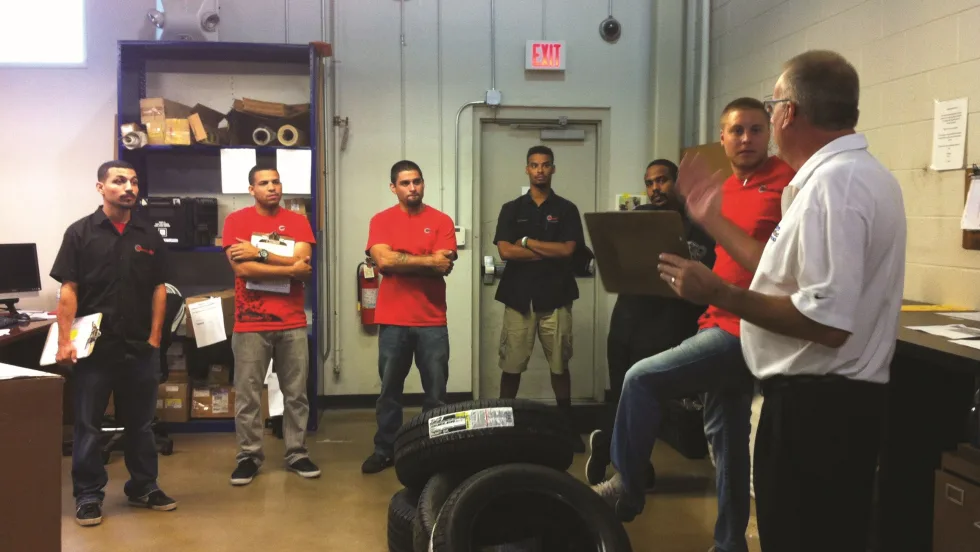
Developing Budget-Friendly Driver Safety Programs
From driver training and safety meetings to one-on-one coaching and incentive programs, several small fleets share how they have developed a safety culture with their drivers using low- to no-cost resources.
Read More →
Boosting Last-Mile Fleet Uptime, Safety, and Value with AI Vehicle Inspections
AI-powered inspections are transforming last-mile fleets by replacing manual checks with highly accurate automated scans that detect defects in seconds. By giving fleet operations visibility into the daily condition of their vehicles, you can identify trends over the vehicle’s lifecycle that enable improved procurement decisions, route management, driver training and accountability.
Read More →

Five Ways Seat Belts Help Prevent Injuries
There are five ways seat belts protect occupants from injuries, according to the Tennessee Department of Safety and Homeland Security.
Read More →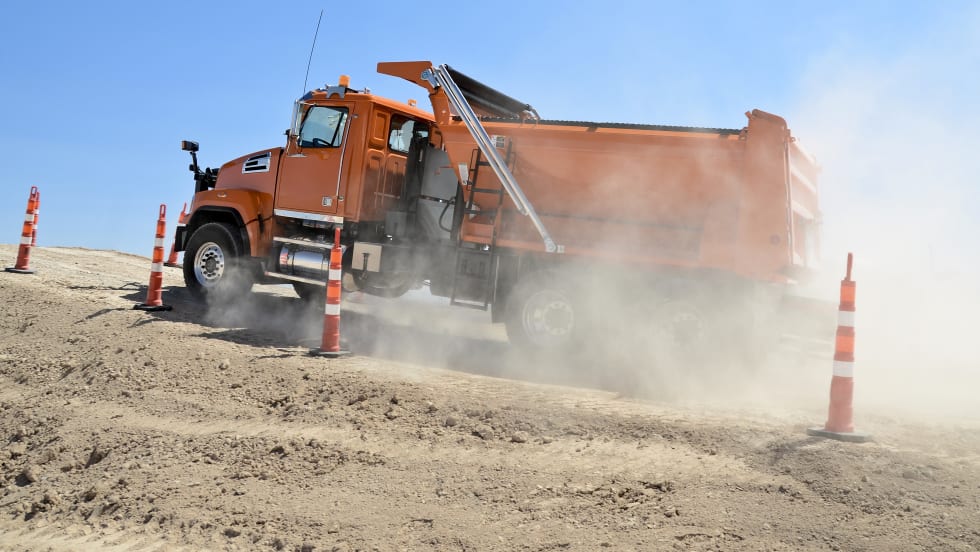
Basic Tracking vs Next Generation Fleet Technology
Fleet software is getting more sophisticated and effective than ever, tying big data models together to transform maintenance, safety, and the value of your existing tech stack. Fleet technology upgrades are undoubtedly an investment, but updated technology can offer a much higher return. Read how upgrading your fleet technology can increase the return on your investment.
Read More →
It’s here: The 2026 Fleet Technology Trends Report
What does AI mean for fleets? Get the answer — and learn other top tech trends.
Read More →
Small Fleets, Big Impact: How Independent Drivers Power Wreaths Across America
Check out how small fleets and independent drivers power Wreaths Across America each December and why their impact matters more than ever.
Read More →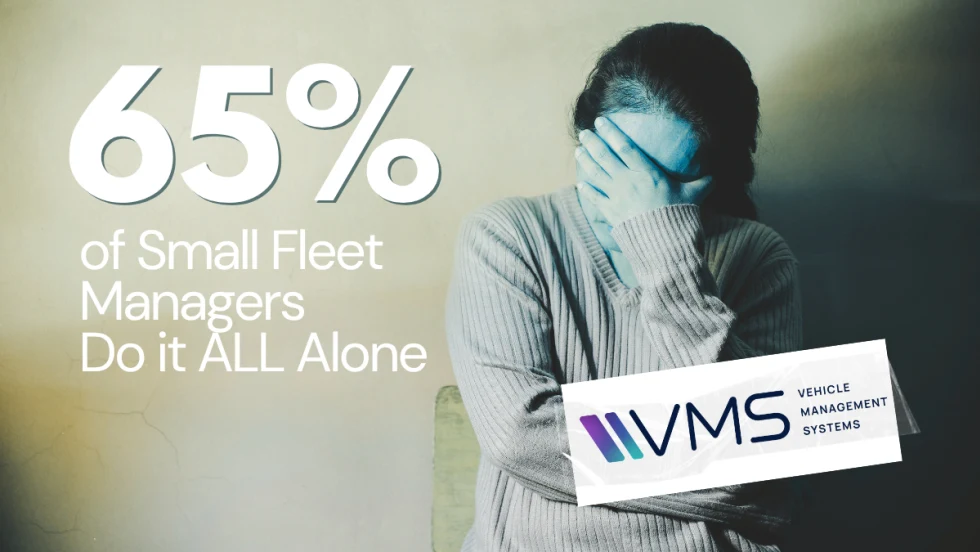
VMS Survey Finds 65% of Small Fleet Managers Run Operations Alone
A new VMS survey shows small fleet managers are stretched thin, with most handling operations solo and eager to adopt digital tools for relief.
Read More →
Tips for Driving Safely on Halloween Night
This video features a reminder from the Connecticut Department of Transportation (DOT) and the Connecticut Police Chiefs Association, urging drivers to prioritize safety this Halloween.
Read More →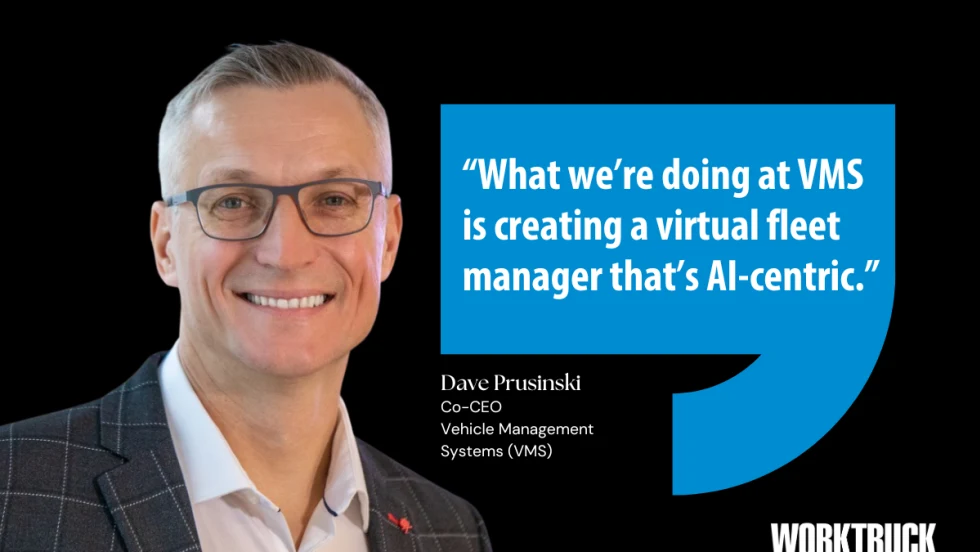
AI, Access, and Uptime: VMS’s Next Chapter with David Prusinski
VMS’s new Co-CEO, David Prusinski, shares how an AI-first approach will give small fleets and repair shops the tools to compete like big players.
Read More →