




Ford E-Series Vans Cut Fuel Costs for Vanpool Program
A combination of Ford E-150, E-250 and E-350 models represent about 70 percent of VPSI’s 5,000-vehicle fleet and transport more than 40,000 people in the United States to and from work each day.
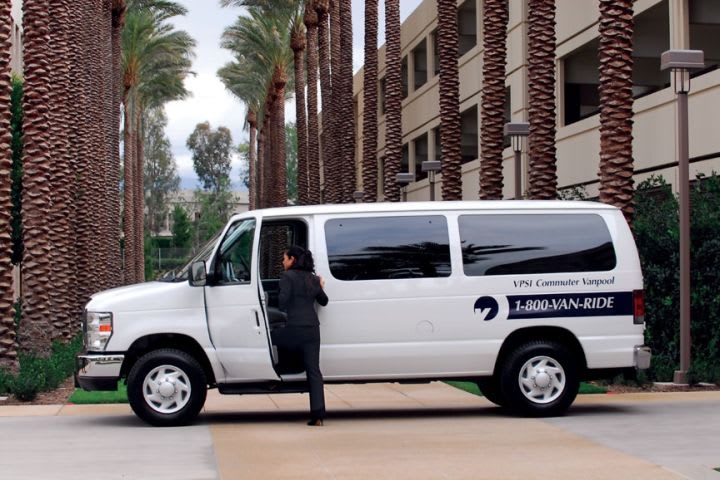
Ford E-Series vans achieve a 150 passenger-miles per gallon each day as commuter vehicles for VPSI Inc., a provider of world-class vanpool programs.
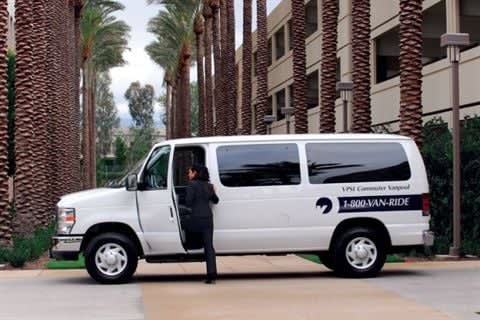
Thousands Ford E-Series vans are achieving 150 passenger-miles per gallon each day as commuter vehicles for VPSI, a developer of vanpool programs, Ford Motor Company said Monday.
A combination of Ford E-150, E-250 and E-350 models represent about 70 percent of VPSI's 5,000-vehicle fleet and transport more than 40,000 people in the United States to and from work each day.
"We believe we have the most ecological Ford vehicles on the road," said Steve Pederson, vice president, fleet and risk management, VPSI, who calculated the 150 passenger miles-per gallon figure by multiplying the 15 mpg achieved by Ford E-Series vans by 10 passengers. Some VPSI Ford commuter vanpools seat as many as 15 passengers, which would result in even more impressive results.
VPSI's use of Ford E-Series vanpools takes 14 million commuter vehicles off the nation's roadways each year, saving more than $73 million in fuel and reducing CO2 emissions by 259,000 tons.
VPSI defines a vanpool as a group of seven to 15 people that commutes to and from work on a regular basis. VPSI provides the vehicle, a comprehensive maintenance and repair program, insurance and back-up vans. The group of commuters shares the monthly operating expense.
Ford E-Series: Ideal Solution for VPSI
Pederson says the company's decision to populate the majority of its fleet with Ford vehicles was a practical one.
"Ford made it easy for us," he said. "We have a great relationship with Ford Fleet, and we had an opportunity to work directly with Ford engineers who helped us get the base vehicles manufactured to our specifications directly from the factory, which helped minimize waste."
VPSI modified the Ford E-Series vans to include center aisle seating for easy boarding, reclining luxury seating, and individual overhead reading lights.
"The vans are very comfortable, and they make commuting time more productive because passengers can read, catch up on their work or even sleep while riding to work instead of coping with the daily grind of traffic congestion," said Pederson.
Vanpooling also helps passengers reduce wear and tear on their personal vehicles and enables them to save money. The average vanpool commuter can save $5,000 per year, compared with the cost of driving to work alone, according to Michael Norvell, vice president, business development, VPSI.
"This is one of those rare situations where everybody benefits," he said. "The commuters save money and enjoy a comfortable ride to work. Employers conserve on-site parking at the workplace. And we all benefit from an environmental perspective by having fewer vehicles on the road. It's a win-win-win proposition."
More Small Fleet


Developing Budget-Friendly Driver Safety Programs
From driver training and safety meetings to one-on-one coaching and incentive programs, several small fleets share how they have developed a safety culture with their drivers using low- to no-cost resources.
Read More →
Boosting Last-Mile Fleet Uptime, Safety, and Value with AI Vehicle Inspections
AI-powered inspections are transforming last-mile fleets by replacing manual checks with highly accurate automated scans that detect defects in seconds. By giving fleet operations visibility into the daily condition of their vehicles, you can identify trends over the vehicle’s lifecycle that enable improved procurement decisions, route management, driver training and accountability.
Read More →
Five Ways Seat Belts Help Prevent Injuries
There are five ways seat belts protect occupants from injuries, according to the Tennessee Department of Safety and Homeland Security.
Read More →
It’s here: The 2026 Fleet Technology Trends Report
What does AI mean for fleets? Get the answer — and learn other top tech trends.
Read More →
Small Fleets, Big Impact: How Independent Drivers Power Wreaths Across America
Check out how small fleets and independent drivers power Wreaths Across America each December and why their impact matters more than ever.
Read More →
VMS Survey Finds 65% of Small Fleet Managers Run Operations Alone
A new VMS survey shows small fleet managers are stretched thin, with most handling operations solo and eager to adopt digital tools for relief.
Read More →
Tips for Driving Safely on Halloween Night
This video features a reminder from the Connecticut Department of Transportation (DOT) and the Connecticut Police Chiefs Association, urging drivers to prioritize safety this Halloween.
Read More →
AI, Access, and Uptime: VMS’s Next Chapter with David Prusinski
VMS’s new Co-CEO, David Prusinski, shares how an AI-first approach will give small fleets and repair shops the tools to compete like big players.
Read More →
Fleet Managers Share Winter Prep Tips: It's Never Too Early!
Three fleets share best practices to prep vehicles for winter and prevent downtime when the cold sets in.
Read More →