




Ford Adds Features, Lowers Price for 06 Explorer (photo)
Base MSRPs for the 2006 Explorer range from $27,175 to $33,160, including destination and delivery. Seat side impact airbags, tire pressure monitoring system and Roll Stability Control are standard.
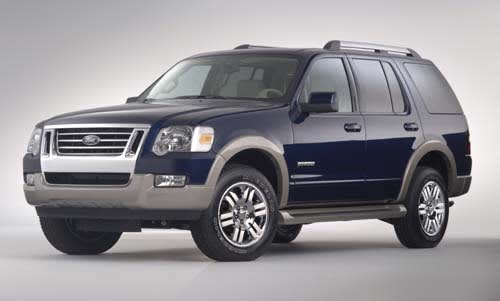
The new 2006 Ford Explorer arrives in showrooms this month with base manufacturer's suggested retail prices (MSRPs) averaging about $1,750 lower than the outgoing Explorer model. Base MSRPs for the 2006 Explorer range from $27,175 to $33,160, including destination and delivery. Prices for comparable 2005 Explorer base models range from $27,810 to $35,630. "The new 2006 Explorer delivers more power and quietness, along with safety technology that is state-of-the-art for any segment,” says Ford Division President Darryl Hazel. “At the same time, we're providing a terrific value by pricing the vehicle significantly lower than today's industry-leading model." Major standard equipment includes: --4.0-liter two-valve V-6 engine (210 hp, 254 ft-lbs torque) mated to a 5-speed automatic transmission --Independent rear suspension --All-new interior with a contemporary instrument panel, console floor shifter, and new trim and seating designs for improved comfort, appearance and craftsmanship --60/40 split-folding second row with recline capability --Fold-flat second and third rows (standard on 7 passenger models) --Bold new exterior with F-150-inspired "tough luxury" design featuring a new grille, fascia, dual-beam headlamps, liftgate and tail lamps The 2006 Explorer's standard safety technology features include: --Seat side impact airbags --"AdvanceTrac" with Roll Stability Control --New adaptive energy-absorbing steering column --New occupant classification system (passenger) --Tire pressure monitoring system New options for 2006 include 18-inch chrome-clad wheels, a new navigation system, power fold third-row seat with 50/50 split, leather-trimmed bolster with Preferred Suede" seat inserts on Eddie Bauer models, and a one-touch moonroof. The 2006 Explorer also will be among the first Ford Motor Company vehicle to feature SIRIUS satellite radio as a factory installed option, available late this year.
More Small Fleet


Developing Budget-Friendly Driver Safety Programs
From driver training and safety meetings to one-on-one coaching and incentive programs, several small fleets share how they have developed a safety culture with their drivers using low- to no-cost resources.
Read More →
Boosting Last-Mile Fleet Uptime, Safety, and Value with AI Vehicle Inspections
AI-powered inspections are transforming last-mile fleets by replacing manual checks with highly accurate automated scans that detect defects in seconds. By giving fleet operations visibility into the daily condition of their vehicles, you can identify trends over the vehicle’s lifecycle that enable improved procurement decisions, route management, driver training and accountability.
Read More →
Five Ways Seat Belts Help Prevent Injuries
There are five ways seat belts protect occupants from injuries, according to the Tennessee Department of Safety and Homeland Security.
Read More →
It’s here: The 2026 Fleet Technology Trends Report
What does AI mean for fleets? Get the answer — and learn other top tech trends.
Read More →
Small Fleets, Big Impact: How Independent Drivers Power Wreaths Across America
Check out how small fleets and independent drivers power Wreaths Across America each December and why their impact matters more than ever.
Read More →
VMS Survey Finds 65% of Small Fleet Managers Run Operations Alone
A new VMS survey shows small fleet managers are stretched thin, with most handling operations solo and eager to adopt digital tools for relief.
Read More →
Tips for Driving Safely on Halloween Night
This video features a reminder from the Connecticut Department of Transportation (DOT) and the Connecticut Police Chiefs Association, urging drivers to prioritize safety this Halloween.
Read More →
AI, Access, and Uptime: VMS’s Next Chapter with David Prusinski
VMS’s new Co-CEO, David Prusinski, shares how an AI-first approach will give small fleets and repair shops the tools to compete like big players.
Read More →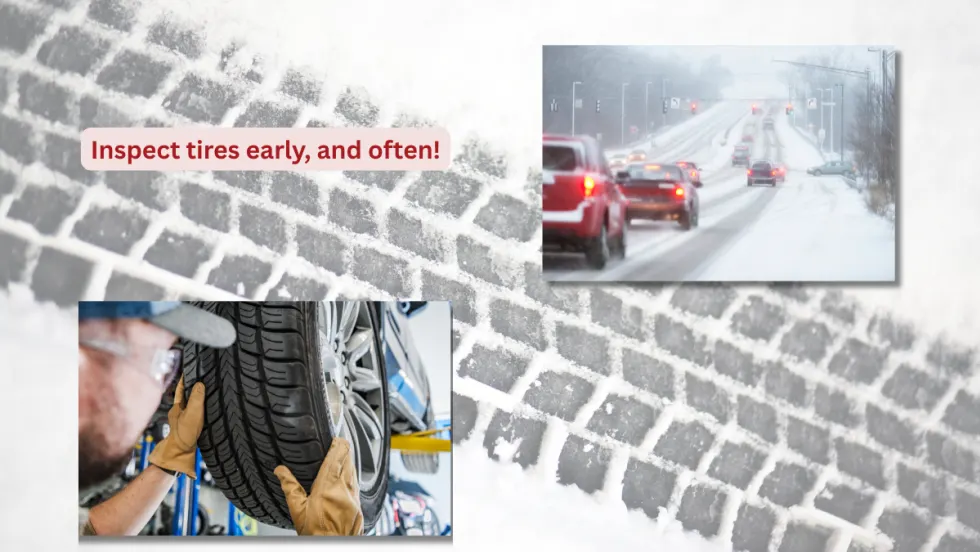
Fleet Managers Share Winter Prep Tips: It's Never Too Early!
Three fleets share best practices to prep vehicles for winter and prevent downtime when the cold sets in.
Read More →