




Fleet Tests Show Fuel Additive Improves Fuel Economy, Says CDT
Clean Diesel Technologies, Inc. (CDT) announced on April 10 that extensive testing of fleets of heavy-duty trucks traveling over commercial roadways demonstrated that the use of fuel containing the company's Platinum Plus(R) DFX fuel additive brought fleet average fuel economy improvements of 4-12 percent. More than 200 trucks took part in the tests, which extended to more than 8 million miles of commercial highway service. The highest percentage of improvement was found in local delivery fleets with stop-and-go service, as high as 12 percent in several cases. Over-the-road, long-haul fleets, or those with mixed service, were generally in the 4-7 percent range. A total of seven separate fleets were involved in the field demonstrations conducted over the last 18 months, according to James M. Valentine, chief operating officer at CDT. "These tests demonstrate that our proprietary fuel additive brings important benefits not only in the control of diesel engine emissions, but also for fuel economy improvement," Valentine said. "In short, this additive catalytically promotes better engine combustion." Platinum Plus(R) is a patented formulation of fuel soluble platinum and cerium catalysts designed to improve the rate and completeness of combustion in the engine. The product is added directly to the fuel by diesel fuel suppliers or vehicle owners. Several fleet tests involved the use of both a control fleet (no additive) and a test fleet. Altogether, more than 400 vehicles were monitored for performance. Control fleets generally showed no change or a slight deterioration in performance while fleets treated with Platinum Plus typically improved by 4-12 percent during the same time interval, according to CDT. Even more conclusive evidence of performance was found when one fleet stopped treatment with Platinum Plus after nine months and saw a sharp fall off in fleet average fuel economy, according to CDT. That same fleet recently resumed commercial use of Platinum Plus in their bulk fuel tanks. "Platinum Plus has been developed in the laboratory, extensively tested on engine dynamometers and now proven in millions of miles of commercial fleet service to give fuel economy improvement and reduced emissions," Valentine said. "These fleet results are wholly consistent with engine dynamometer tests at Southwest Research Institute, Texas A&M, Ricardo and Cummins Engine Company." According to Valentine, even better performance is expected on new low emission engines where fuel economy has been sacrificed for lower emissions. An additional benefit of Platinum Plus, according to CDT, is its ability to reduce regulated emissions of particulate matter (PM), hydrocarbons (HC) and carbon monoxide (CO) by up to 25 percent; and when combined with particulate filters, by up to 90 percent. Actual results will depend on such factors as engine age, load, weather, fuel quality and driver operation but typically should average 6 percent on mixed-use fleets, according to CDT. That savings represents about twice the cost of treatment based on current fuel prices. About Platinum Plus The Platinum Plus diesel fuel additive is registered with the U.S. EPA for use in diesel fuel. Platinum Plus is distributed by Clean Diesel Technologies, Inc. and a network of licensed distributors, including Valvtect Petroleum Products. For more information, contact CDT at jvalentine@cdti.com. About Clean Diesel Technologies, Inc. Clean Diesel Technologies, Inc., is a specialty chemical company with patented products designed to reduce emissions from diesel engines while simultaneously improving fuel economy and power. Products include Platinum Plus fuel catalysts and the ARIS(TM) 2000 urea injection systems for selective catalytic reduction of NOx. Platinum Plus is a registered trademark of Clean Diesel Technologies, Inc.
More Small Fleet

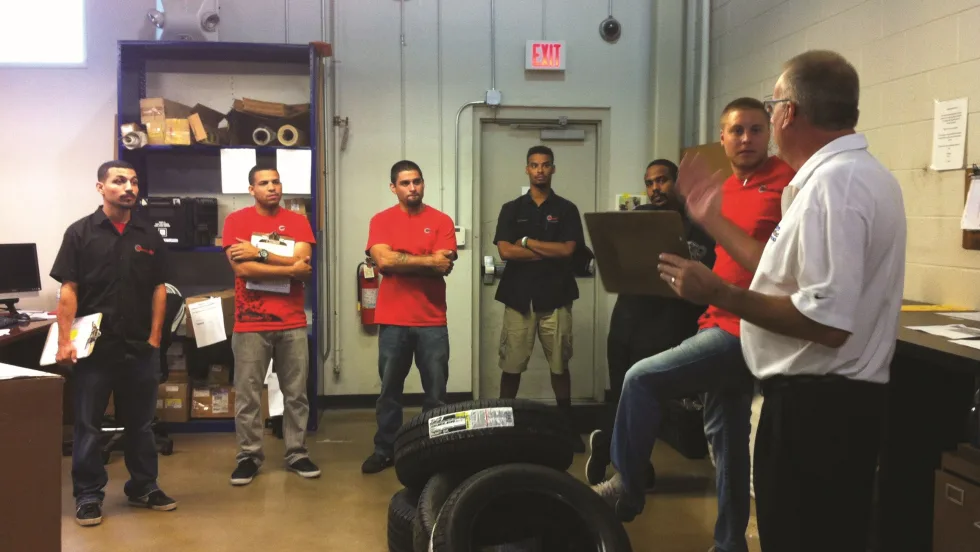
Developing Budget-Friendly Driver Safety Programs
From driver training and safety meetings to one-on-one coaching and incentive programs, several small fleets share how they have developed a safety culture with their drivers using low- to no-cost resources.
Read More →
Boosting Last-Mile Fleet Uptime, Safety, and Value with AI Vehicle Inspections
AI-powered inspections are transforming last-mile fleets by replacing manual checks with highly accurate automated scans that detect defects in seconds. By giving fleet operations visibility into the daily condition of their vehicles, you can identify trends over the vehicle’s lifecycle that enable improved procurement decisions, route management, driver training and accountability.
Read More →

Five Ways Seat Belts Help Prevent Injuries
There are five ways seat belts protect occupants from injuries, according to the Tennessee Department of Safety and Homeland Security.
Read More →
Basic Tracking vs Next Generation Fleet Technology
Fleet software is getting more sophisticated and effective than ever, tying big data models together to transform maintenance, safety, and the value of your existing tech stack. Fleet technology upgrades are undoubtedly an investment, but updated technology can offer a much higher return. Read how upgrading your fleet technology can increase the return on your investment.
Read More →
It’s here: The 2026 Fleet Technology Trends Report
What does AI mean for fleets? Get the answer — and learn other top tech trends.
Read More →
Small Fleets, Big Impact: How Independent Drivers Power Wreaths Across America
Check out how small fleets and independent drivers power Wreaths Across America each December and why their impact matters more than ever.
Read More →
VMS Survey Finds 65% of Small Fleet Managers Run Operations Alone
A new VMS survey shows small fleet managers are stretched thin, with most handling operations solo and eager to adopt digital tools for relief.
Read More →
Tips for Driving Safely on Halloween Night
This video features a reminder from the Connecticut Department of Transportation (DOT) and the Connecticut Police Chiefs Association, urging drivers to prioritize safety this Halloween.
Read More →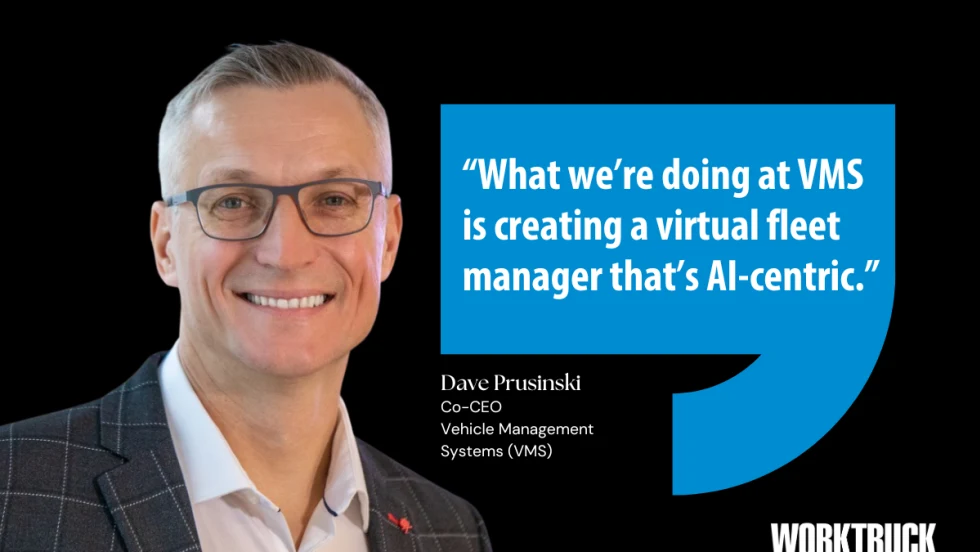
AI, Access, and Uptime: VMS’s Next Chapter with David Prusinski
VMS’s new Co-CEO, David Prusinski, shares how an AI-first approach will give small fleets and repair shops the tools to compete like big players.
Read More →