




Fleet Safety Video Tip: Responding to a Highway Breakdown
Here's some advice from AAA on what steps drivers should take when a vehicle breaks down suddenly on a highway.
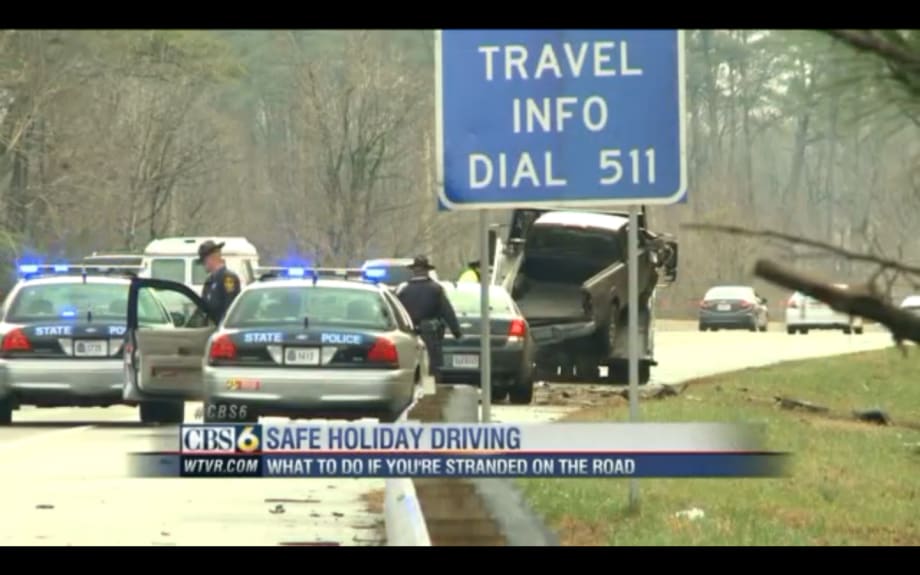
When you formulate or update your fleet safety policy, don’t forget to address how drivers should respond after a highway breakdown. Of course, different circumstances call for different responses, but familiarity with general guidelines will help drivers make sound decisions during a particularly stressful time. In the great majority of cases, it’s safest to remain in the vehicle until help arrives.
Here are six tips from AAA you might want to pass along to your drivers:
Note your vehicle’s location. When you first encounter a problem while driving, make sure you’re aware of your general location. Look for landmarks, the nearest exit number or street name, the nearest emergency call box or rest area, for example.
Assess your vehicle’s operating problem. What warning signs have you seen, heard or felt?
Pull off the road and get as far from traffic as possible. If you get out of your vehicle, show extreme caution and watch for oncoming traffic – especially at night or in bad weather. Never stand behind or directly in front of your vehicle. If you cannot pull off the road because your vehicle has lost all power and is inoperable, switch on safety/emergency flashers immediately. Don’t risk injury by attempting to push the vehicle to a safe location. If you cannot get the vehicle to a location away from traffic and believe your safety is at risk, then don’t stay in the vehicle. But generally, it’s safest to stay in the vehicle.
Alert other motorists. Take steps to ensure your vehicle is visible to other drivers. Turn on the emergency flashers. If it’s safe to do so, place flares or warning triangles to direct oncoming traffic away from your vehicle and -- if possible -- tie a bright handkerchief or scarf to an antenna or door handle. But if you smell or notice any sign of a fuel leak, don’t ignite the flares or use anything with a flame. Extinguish any lighted cigarettes.
Communicate your situation. Once you and your passengers are in a safe location, notify others of your vehicle breakdown. If you have a cell phone, make the call from inside your vehicle – assuming it’s safely away from traffic. Otherwise, place the call at a safe distance from the vehicle and traffic.
Remain with your vehicle. Under most circumstances, if you’re able to pull away from traffic and stop safely on the shoulder, it’s best to remain in your vehicle until law enforcement or an emergency roadside assistance provider arrives. But if you do decide to exit the vehicle, make sure you can do so safely. In most cases, the passenger side of the vehicle permits greater distance from oncoming traffic. If you’re convinced help is within walking distance, think carefully about whether it’s safe to leave the vehicle and passengers for a brief period of time. Is your planned route really safe for pedestrians? If you stay inside the vehicle, keep the windows nearly closed and the doors locked. Don’t lower the windows or open doors to strangers. If a stranger offers help, ask the person to call for emergency road service.
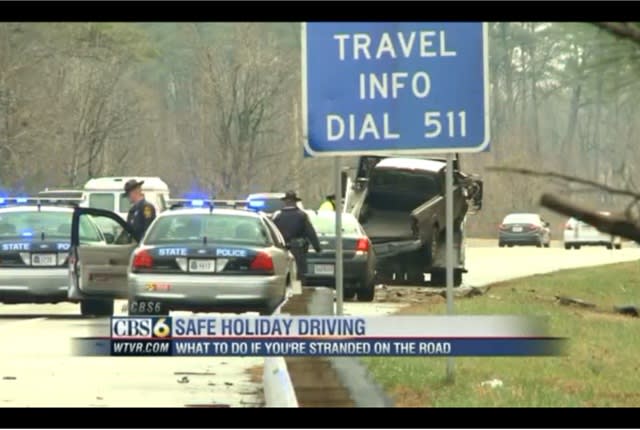
Click on the photo or link above to watch a video, produced by WTVR CBS 6 News, in which Martha Meade of AAA Mid-Atlantic offers advice on what to do if your vehicle breaks down on the highway.
Originally posted on Automotive Fleet
More Small Fleet

Tips for Driving Safely on Halloween Night
This video features a reminder from the Connecticut Department of Transportation (DOT) and the Connecticut Police Chiefs Association, urging drivers to prioritize safety this Halloween.
Read More →

Developing Budget-Friendly Driver Safety Programs
From driver training and safety meetings to one-on-one coaching and incentive programs, several small fleets share how they have developed a safety culture with their drivers using low- to no-cost resources.
Read More →

Boosting Last-Mile Fleet Uptime, Safety, and Value with AI Vehicle Inspections
AI-powered inspections are transforming last-mile fleets by replacing manual checks with highly accurate automated scans that detect defects in seconds. By giving fleet operations visibility into the daily condition of their vehicles, you can identify trends over the vehicle’s lifecycle that enable improved procurement decisions, route management, driver training and accountability.
Read More →
Five Ways Seat Belts Help Prevent Injuries
There are five ways seat belts protect occupants from injuries, according to the Tennessee Department of Safety and Homeland Security.
Read More →
Basic Tracking vs Next Generation Fleet Technology
Fleet software is getting more sophisticated and effective than ever, tying big data models together to transform maintenance, safety, and the value of your existing tech stack. Fleet technology upgrades are undoubtedly an investment, but updated technology can offer a much higher return. Read how upgrading your fleet technology can increase the return on your investment.
Read More →
It’s here: The 2026 Fleet Technology Trends Report
What does AI mean for fleets? Get the answer — and learn other top tech trends.
Read More →
Small Fleets, Big Impact: How Independent Drivers Power Wreaths Across America
Check out how small fleets and independent drivers power Wreaths Across America each December and why their impact matters more than ever.
Read More →
VMS Survey Finds 65% of Small Fleet Managers Run Operations Alone
A new VMS survey shows small fleet managers are stretched thin, with most handling operations solo and eager to adopt digital tools for relief.
Read More →
AI, Access, and Uptime: VMS’s Next Chapter with David Prusinski
VMS’s new Co-CEO, David Prusinski, shares how an AI-first approach will give small fleets and repair shops the tools to compete like big players.
Read More →