




Fleet Safety Video Tip: Preventing Drowsy Driving
Here are some tips on how to improve sleep hygiene to ensure you're more alert while driving. Also, an ABC News Nightline segment demonstrates how easily a fatigued driver can lapse into microsleep.
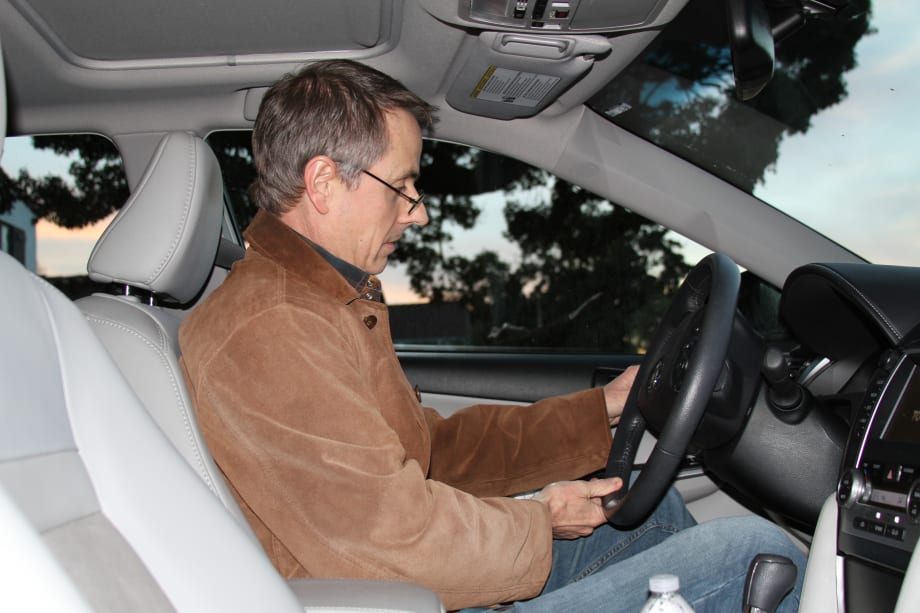
Drowsy driving warning signs include yawning or blinking frequently and having trouble keeping your head up.
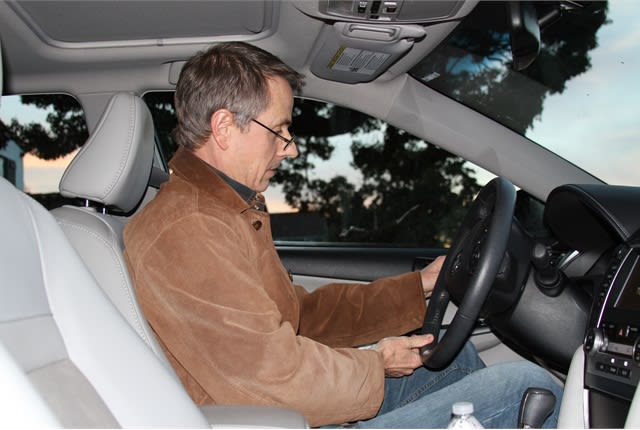
Drowsy driving warning signs include yawning or blinking frequently and having trouble keeping your head up.
Of course, the most obvious way for anyone to prevent drowsy driving is to get a good night’s sleep. But too many of us have developed poor sleeping habits. Here is some advice, culled from the National Sleep Foundation and the Snoring Center, on how to improve your sleep hygiene. You may want to pass these tips along to your drivers.
Avoid stimulants such as caffeine, nicotine and alcohol too close to bedtime. Though alcohol can initially speed the onset of sleep, it later disrupts sleep in the second half as the body begins to metabolize the alcohol. Also, remember that chocolate has caffeine.
Exercise in the morning or late afternoon. Later, a relaxing exercise, such as yoga, can help initiate a restful night’s sleep.
Avoid meals too close to bedtime. If you’re struggling with insomnia, avoid spicy foods altogether.
During the day, get adequate exposure to natural light. Light exposure helps you maintain a healthy sleep-awake cycle.
Establish a relaxing routine to help you wind down before bedtime. Read a book, listen to soft music or take a warm bath, for example.
Try to avoid emotionally upsetting conversations just before bedtime. Don’t dwell on your problems as you’re trying to fall asleep.
If you’re having sleep problems, keep the TV, computer and mobile phone out of the bedroom.
Make sure your sleep environment is as comfortable and relaxing as possible -- the right temperature, level of light and number of blankets.
When possible, try to go to bed each night at the same time and arise the next day at the same time.
According to the National Sleep Foundation, the following warning signs indicate that it’s time for a driver to stop and find a safe place to pull over and address his or her condition:
Difficulty focusing, frequent blinking or heavy eyelids
Difficulty keeping reveries or daydreams at bay
Trouble keeping your head up
Drifting from your lane, swerving, tailgating or hitting rumble strips
Inability to clearly remember the last few miles driven
Missing exits or traffic signs
Yawning repeatedly
Feeling restless, irritable or aggressive.
To learn more about the dangers of drowsy driving and how fatigue can lead to microsleep, click on the photo or link above.
Originally posted on Automotive Fleet
More Small Fleet


Developing Budget-Friendly Driver Safety Programs
From driver training and safety meetings to one-on-one coaching and incentive programs, several small fleets share how they have developed a safety culture with their drivers using low- to no-cost resources.
Read More →
Boosting Last-Mile Fleet Uptime, Safety, and Value with AI Vehicle Inspections
AI-powered inspections are transforming last-mile fleets by replacing manual checks with highly accurate automated scans that detect defects in seconds. By giving fleet operations visibility into the daily condition of their vehicles, you can identify trends over the vehicle’s lifecycle that enable improved procurement decisions, route management, driver training and accountability.
Read More →

Five Ways Seat Belts Help Prevent Injuries
There are five ways seat belts protect occupants from injuries, according to the Tennessee Department of Safety and Homeland Security.
Read More →
Basic Tracking vs Next Generation Fleet Technology
Fleet software is getting more sophisticated and effective than ever, tying big data models together to transform maintenance, safety, and the value of your existing tech stack. Fleet technology upgrades are undoubtedly an investment, but updated technology can offer a much higher return. Read how upgrading your fleet technology can increase the return on your investment.
Read More →
It’s here: The 2026 Fleet Technology Trends Report
What does AI mean for fleets? Get the answer — and learn other top tech trends.
Read More →
Small Fleets, Big Impact: How Independent Drivers Power Wreaths Across America
Check out how small fleets and independent drivers power Wreaths Across America each December and why their impact matters more than ever.
Read More →
VMS Survey Finds 65% of Small Fleet Managers Run Operations Alone
A new VMS survey shows small fleet managers are stretched thin, with most handling operations solo and eager to adopt digital tools for relief.
Read More →
Tips for Driving Safely on Halloween Night
This video features a reminder from the Connecticut Department of Transportation (DOT) and the Connecticut Police Chiefs Association, urging drivers to prioritize safety this Halloween.
Read More →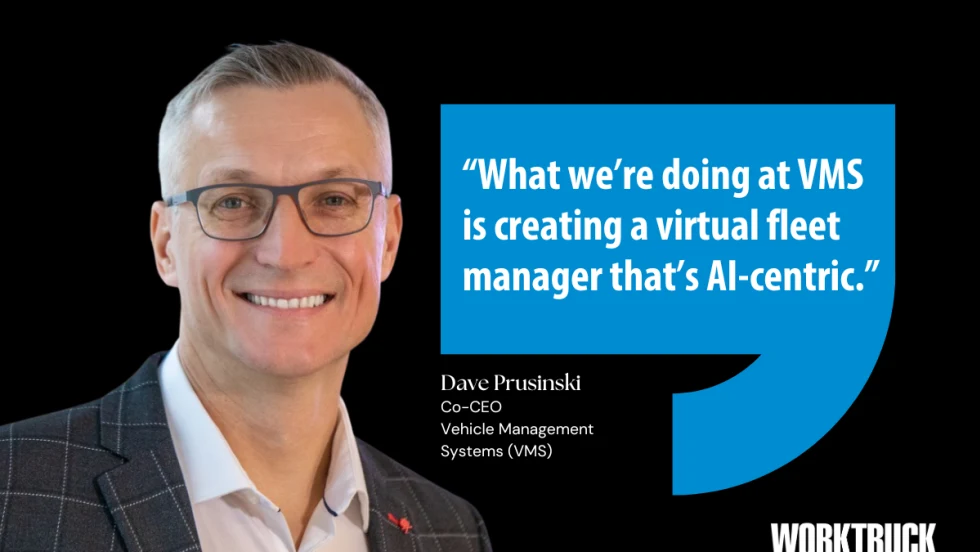
AI, Access, and Uptime: VMS’s Next Chapter with David Prusinski
VMS’s new Co-CEO, David Prusinski, shares how an AI-first approach will give small fleets and repair shops the tools to compete like big players.
Read More →