




Fleet Safety Video Tip: How to Pass Safely
Passing safely requires sound judgment and a solid grasp of the rules of the road. Here are some safe-passing tips from both the New York DMV and California DMV.
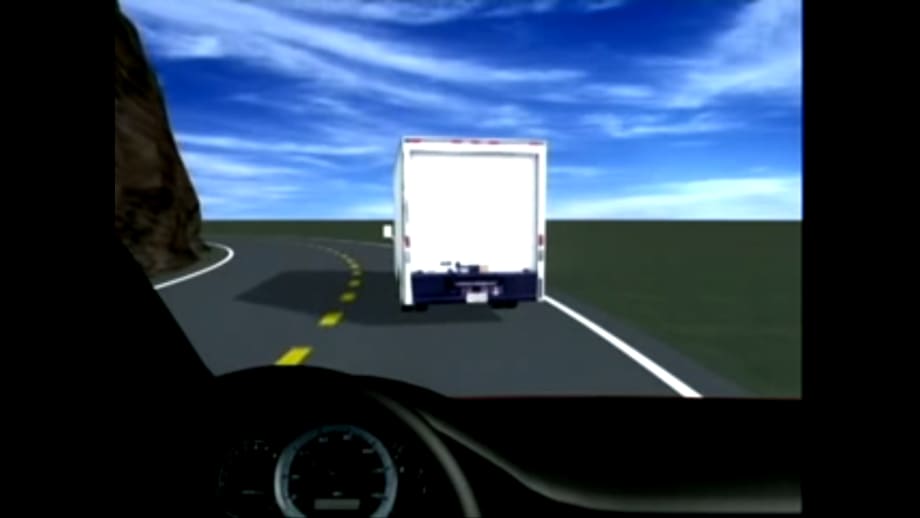

Passing safely requires sound judgment and a solid grasp of the rules of the road. Here is some advice from the New York Department of Motor Vehicles that you may want to pass along to your fleet drivers as a friendly reminder.
Generally, pass other vehicles on the left. Passing on the right, which is permitted only in limited circumstances, should be done only when necessary and safe to do so.
When passing other vehicles or changing lanes to avoid hazards, do so with caution and only when necessary.
You must not exceed the speed limit to pass another vehicle.
When passing a motorcycle, remember to give the motorcycle the same full lane width as other vehicles are allowed.
Never move into the same lane space as a motorcycle, even if the lane is wide and the motorcyclist is riding to one side.
Always use directional or hand signals at least 100 feet before making a lane change.
Never pass a vehicle stopped at a crosswalk to allow a pedestrian to cross.
Passing on the Left
The left lane is usually used for passing other vehicles. However, you may not pass a vehicle on the left if:
Your lane has a solid yellow center line
You cannot safely return to the right lane before reaching a solid yellow center line for the right lane
You cannot safely return to the right lane before any approaching vehicle comes within 200 feet of you
You are approaching a curve or the crest of a hill on a two-way road and cannot see around or over it
You are within 100 feet of a railroad crossing on a two-way roadway
You are within 100 feet of a bridge, tunnel or viaduct on a two-way road and your view is obstructed
Passing will interfere with oncoming traffic.
If conditions are right for passing, check your mirrors and signal your lane change. Before pulling into the left lane, glance briefly over your left shoulder and at the rear side window to make sure no vehicle is passing you or close behind you in the left lane.
Never rely on your mirrors alone when preparing to change lanes. Even properly adjusted mirrors will leave "blind spots" behind you on both sides. If a vehicle is in the blind spot, you may not see it in your mirrors. Always glance over your shoulder before changing lanes or passing.
When passing, move completely into the left lane. Before returning to the right lane, signal and look at your interior rearview mirror and make sure you can see the front bumper of the vehicle you just passed. Glance quickly over your right shoulder to double-check that you can see at least several feet of pavement between your vehicle and the one you passed. Then return to the right lane.
Passing on the Right
You may pass a vehicle on the right only in the situations listed below -- and only if you can do so safely. You may not drive on or across the shoulder or edge line of the road unless a sign expressly permits it.
You may pass on the right:
When a vehicle ahead is making a left turn
When you’re driving on a one-way road that is marked for two or more lanes or is wide enough for two or more lanes, and passing is not restricted by signs.
If you’re going to pass on the right at an intersection, check traffic ahead carefully. Make sure an oncoming vehicle is not turning left into your path. On the right side, watch out for pedestrians and bicyclists.
Before you pass on the right on multilane roads, make sure you check your mirrors, use the proper signals for a lane change, and look over your right shoulder for other vehicles. After passing, be sure to check over your left shoulder and signal before returning to the left lane.
To view a California DMV video on passing, click on the photo or link at the top.
Originally posted on Automotive Fleet
More Small Fleet


Developing Budget-Friendly Driver Safety Programs
From driver training and safety meetings to one-on-one coaching and incentive programs, several small fleets share how they have developed a safety culture with their drivers using low- to no-cost resources.
Read More →
Boosting Last-Mile Fleet Uptime, Safety, and Value with AI Vehicle Inspections
AI-powered inspections are transforming last-mile fleets by replacing manual checks with highly accurate automated scans that detect defects in seconds. By giving fleet operations visibility into the daily condition of their vehicles, you can identify trends over the vehicle’s lifecycle that enable improved procurement decisions, route management, driver training and accountability.
Read More →
Five Ways Seat Belts Help Prevent Injuries
There are five ways seat belts protect occupants from injuries, according to the Tennessee Department of Safety and Homeland Security.
Read More →
It’s here: The 2026 Fleet Technology Trends Report
What does AI mean for fleets? Get the answer — and learn other top tech trends.
Read More →
Small Fleets, Big Impact: How Independent Drivers Power Wreaths Across America
Check out how small fleets and independent drivers power Wreaths Across America each December and why their impact matters more than ever.
Read More →
VMS Survey Finds 65% of Small Fleet Managers Run Operations Alone
A new VMS survey shows small fleet managers are stretched thin, with most handling operations solo and eager to adopt digital tools for relief.
Read More →
Tips for Driving Safely on Halloween Night
This video features a reminder from the Connecticut Department of Transportation (DOT) and the Connecticut Police Chiefs Association, urging drivers to prioritize safety this Halloween.
Read More →
AI, Access, and Uptime: VMS’s Next Chapter with David Prusinski
VMS’s new Co-CEO, David Prusinski, shares how an AI-first approach will give small fleets and repair shops the tools to compete like big players.
Read More →
Fleet Managers Share Winter Prep Tips: It's Never Too Early!
Three fleets share best practices to prep vehicles for winter and prevent downtime when the cold sets in.
Read More →