




Fleet Safety Video Tip: Driving In Flash Flood Conditions
Several parts of the country -- including Maryland, the Alabama Coast and the Florida Panhandle -- saw severe flash flooding last week. Such conditions can form so quickly that they catch many drivers off-guard. Here are some tips from the National Disaster Education Coalition you can pass along to your drivers so they're better prepared to deal with the risks that flash floods pose.
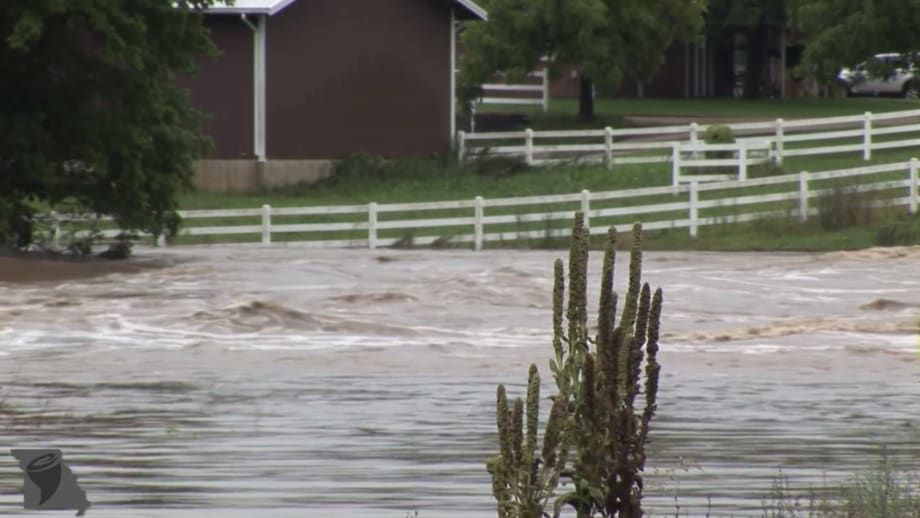
Several parts of the country -- including Maryland, the Alabama Coast and the Florida Panhandle -- saw severe flash flooding last week. Now is a good time to remind your drivers of what steps they can take to stay safe during flash flood conditions.
Here are some tips from the National Disaster Education Coalition:
Avoid already flooded areas and areas subject to sudden flooding. Do not attempt to cross flowing streams. Most flood fatalities are caused by people attempting to drive through water, or people playing in high water. The depth of water is not always obvious. The roadbed may be washed out under the water, and you could be stranded or trapped. Also, standing water may be electrically charged from underground or downed power lines. Rapidly rising water may stall the engine, engulf the vehicle and its occupants, and sweep them away. Look out for flooding at highway dips, bridges and low areas. Two feet of water will carry away most vehicles, including SUVs and pickup trucks.
Stay away from underpasses. Underpasses can fill rapidly with water while the adjacent roadway remains clear. Driving into an underpass can quickly put you in 5 to 6 feet of water.
Turn around and find another route if you come upon rapidly rising water. Move to higher ground away from rivers, streams, creeks and storm drains. If flood waters or barricades block your usual route, find another route. Local officials put up barricades to protect people from unsafe roads. Driving around them can be a serious risk.
Abandon your vehicle immediately and climb to higher ground if the vehicle becomes surrounded by water or the engine stalls, and if you can safely get out. When a vehicle stalls in the water, the water's momentum is transferred to the car. The lateral force of a foot of water moving at 10 miles per hour is about 500 pounds on the average vehicle. The greatest effect is buoyancy -- for every foot that water rises up the side of a car, it displaces 1,500 pounds of the car's weight. So, 2 feet of water moving at 10 miles per hour will float virtually any car, SUV or pickup truck. Use caution when abandoning your vehicle, and look for an opportunity to move away quickly and safely to higher ground.
To watch a video on the subject, click on the link or photo above.
Originally posted on Automotive Fleet
More Small Fleet


Developing Budget-Friendly Driver Safety Programs
From driver training and safety meetings to one-on-one coaching and incentive programs, several small fleets share how they have developed a safety culture with their drivers using low- to no-cost resources.
Read More →
Boosting Last-Mile Fleet Uptime, Safety, and Value with AI Vehicle Inspections
AI-powered inspections are transforming last-mile fleets by replacing manual checks with highly accurate automated scans that detect defects in seconds. By giving fleet operations visibility into the daily condition of their vehicles, you can identify trends over the vehicle’s lifecycle that enable improved procurement decisions, route management, driver training and accountability.
Read More →
Five Ways Seat Belts Help Prevent Injuries
There are five ways seat belts protect occupants from injuries, according to the Tennessee Department of Safety and Homeland Security.
Read More →
It’s here: The 2026 Fleet Technology Trends Report
What does AI mean for fleets? Get the answer — and learn other top tech trends.
Read More →
Small Fleets, Big Impact: How Independent Drivers Power Wreaths Across America
Check out how small fleets and independent drivers power Wreaths Across America each December and why their impact matters more than ever.
Read More →
VMS Survey Finds 65% of Small Fleet Managers Run Operations Alone
A new VMS survey shows small fleet managers are stretched thin, with most handling operations solo and eager to adopt digital tools for relief.
Read More →
Tips for Driving Safely on Halloween Night
This video features a reminder from the Connecticut Department of Transportation (DOT) and the Connecticut Police Chiefs Association, urging drivers to prioritize safety this Halloween.
Read More →
AI, Access, and Uptime: VMS’s Next Chapter with David Prusinski
VMS’s new Co-CEO, David Prusinski, shares how an AI-first approach will give small fleets and repair shops the tools to compete like big players.
Read More →
Fleet Managers Share Winter Prep Tips: It's Never Too Early!
Three fleets share best practices to prep vehicles for winter and prevent downtime when the cold sets in.
Read More →