




Fleet Management Compensation Survey Shows Value of Education in Earning Higher Pay
Education pays off the most in receiving higher compensation among fleet/transportation professionals, according to the 2003 Transportation Compensation Analysis from efleetmgmt, inc. In its exclusive survey of more than 200 industry employees, efleetmgmt says it found that education makes a sizable difference in how much pay the employee receives. Average salaries vary $30,500 between those who have a high school diploma only and those with master's degrees $55.500 to $86,000, noted efleetmgmt, the online education, information and management resource firm. About 75 percent of survey respondents have completed some college, including 14 percent with a master's. "What will help you obtain the most compensation from your job is continuing education," said Donna Prisley, efleetmgmt's VP of operations. "It's not even necessary to have a degree in transportation. The higher your formal education, the more money you'll earn, regardless of the experience level." The company says this year's TCA compares compensation by job description, education level, industry experience, fleet size, geographic region and core business of the company. The survey's average fleet/transportation manager earns $67,230 in annual salary, holds an associate or bachelor's degree, has worked in the industry 15 years, works with a fleet of 688 vehicles and receives 29 days annually in paid time off. The average workweek is 51 hours weekly. Experience is also a major factor in landing a bigger paycheck. According to the survey, those who responded who had 30 or more years' experience make an average of $24,000 more than those who have less than five years of transportation experience. In addition to education and experience, other factors that influence a fleet manager's compensation are the position description and the fleet size. According to efleetmgmt, average pay varied $41,000 for non-management employees at the low end to $105,800 for vice president at the upper scale. Plus, survey respondents who manage fleets of 2,000 vehicles or more earn an average $25,800 more than those who manage fleets of 50 vehicles and fewer. efleetmgmt's second annual survey was based on 201 qualified responses from 35 states and from Canada. Those responding this year ranged from hourly wage dispatchers to executive vice presidents. They work for more than 175 companies that manage private fleets, dedicated fleets, for-hire firms and third-party logistics operations. Fleet size ranged from three vehicles to 15,000. Private fleet employees accounted for 75 percent of those responding. Prisley said the survey shows transportation industry personnel how they stack up. "It's an excellent benchmark for human resource departments to use in determining if they're paying fleet managers enough," she said. "For fleet managers, it's a way of comparing themselves against their peers." Over half of survey respondents receive a performance- or profit-based bonus, usually about 10 percent of their annual salary, according to efleetmgmt. Employees in the Northeast and Southwest, which includes Southern California, pocketed the largest salaries and bonuses, while the lowest compensation went to those in the Midwest and Northwest. Copies of the 2003 survey are available by calling efleetmgmt at (540) 399-1010 or visiting the company's website at www.efleetmgmt.com. The cost is $79. The survey results will be sent via email. efleetmgmt is an Internet-based education, professional development and management resource for corporate fleet and transportation professionals. The company offers online courses, distance learning, educational seminars and online management resources designed to assist fleet and transportation managers to maximize the efficiency and cost-effectiveness of their fleet operation.
More Small Fleet


Developing Budget-Friendly Driver Safety Programs
From driver training and safety meetings to one-on-one coaching and incentive programs, several small fleets share how they have developed a safety culture with their drivers using low- to no-cost resources.
Read More →
Boosting Last-Mile Fleet Uptime, Safety, and Value with AI Vehicle Inspections
AI-powered inspections are transforming last-mile fleets by replacing manual checks with highly accurate automated scans that detect defects in seconds. By giving fleet operations visibility into the daily condition of their vehicles, you can identify trends over the vehicle’s lifecycle that enable improved procurement decisions, route management, driver training and accountability.
Read More →

Five Ways Seat Belts Help Prevent Injuries
There are five ways seat belts protect occupants from injuries, according to the Tennessee Department of Safety and Homeland Security.
Read More →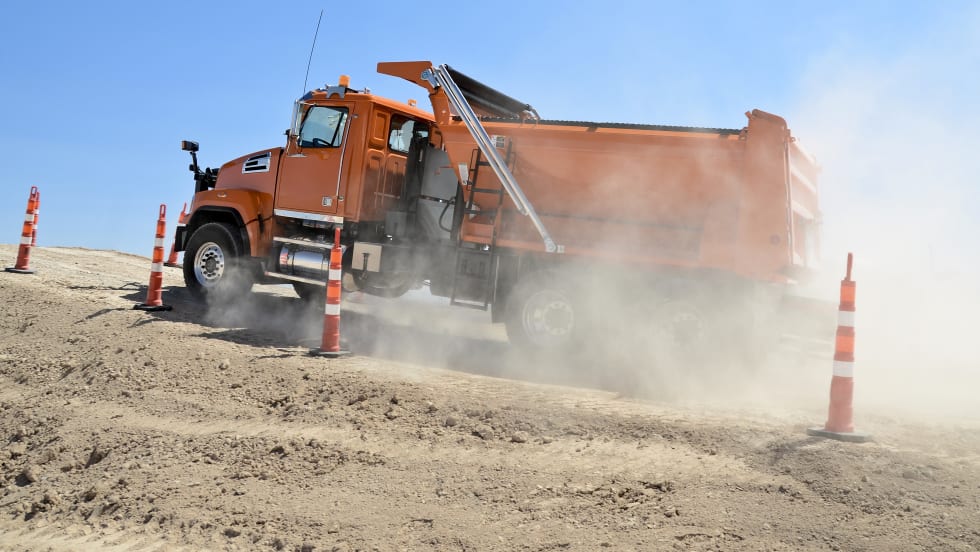
Basic Tracking vs Next Generation Fleet Technology
Fleet software is getting more sophisticated and effective than ever, tying big data models together to transform maintenance, safety, and the value of your existing tech stack. Fleet technology upgrades are undoubtedly an investment, but updated technology can offer a much higher return. Read how upgrading your fleet technology can increase the return on your investment.
Read More →
It’s here: The 2026 Fleet Technology Trends Report
What does AI mean for fleets? Get the answer — and learn other top tech trends.
Read More →
Small Fleets, Big Impact: How Independent Drivers Power Wreaths Across America
Check out how small fleets and independent drivers power Wreaths Across America each December and why their impact matters more than ever.
Read More →
VMS Survey Finds 65% of Small Fleet Managers Run Operations Alone
A new VMS survey shows small fleet managers are stretched thin, with most handling operations solo and eager to adopt digital tools for relief.
Read More →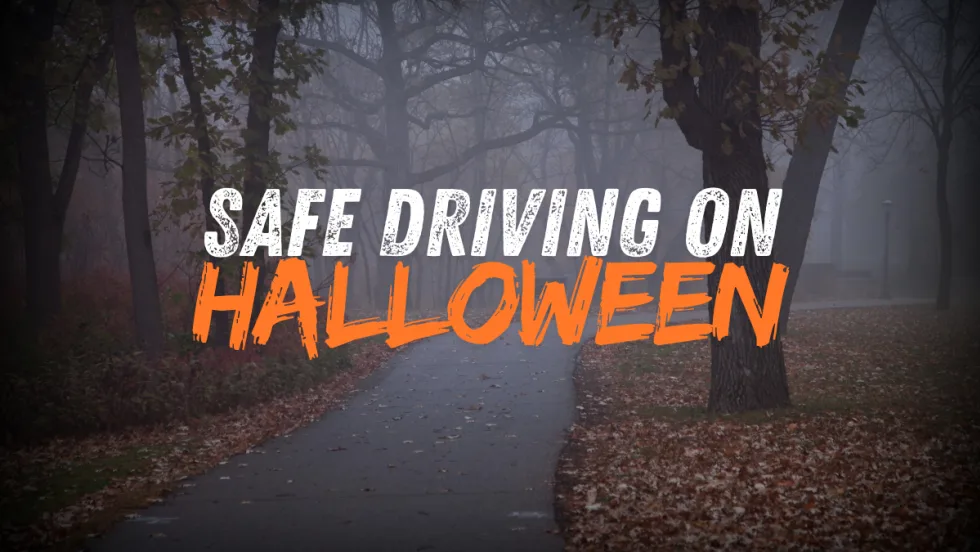
Tips for Driving Safely on Halloween Night
This video features a reminder from the Connecticut Department of Transportation (DOT) and the Connecticut Police Chiefs Association, urging drivers to prioritize safety this Halloween.
Read More →
AI, Access, and Uptime: VMS’s Next Chapter with David Prusinski
VMS’s new Co-CEO, David Prusinski, shares how an AI-first approach will give small fleets and repair shops the tools to compete like big players.
Read More →