




First Look: Dodge Charger SRT8
Chrysler says the Charger SRT8 is capable of awe-inspiring numbers unheard-of in a muscle sedan: 0-60 mph in around five seconds, quarter-mile time in the 13-second range and braking distance from 60-0 mph in approximately 110 feet.
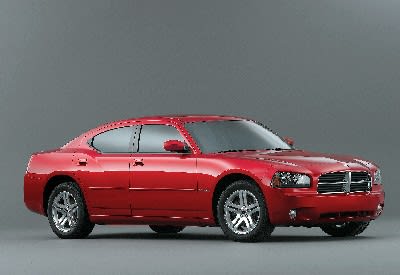
Performance-car aficionados had a lot to celebrate when Dodge unveiled the all-new 2006 Dodge Charger into its lineup. That performance gets kicked up a notch with the introduction of the all-new 2006 Dodge Charger SRT8. Just as the very first Charger – the original 1964 “Charger by Dodge” concept car -- sported a HEMI V-8, the all-new 2006 Dodge Charger SRT8 boasts a big-bore, SRT-engineered version producing 425 horsepower and 420 lb.-ft. of torque. With its infusion of Street and Racing Technology (SRT) DNA, Chrysler says the Charger SRT8 is capable of awe-inspiring numbers unheard-of in a muscle sedan: 0-60 mph in around five seconds, quarter-mile time in the 13-second range and braking distance from 60-0 mph in approximately 110 feet. The Dodge Charger SRT8 is also capable of accomplishing SRT’s signature performance test of 0-100-0 mph in the mid 16-second range. Chassis improvements on the 2006 Dodge Charger SRT8 include SRT-tuned dampers, specially tailored spring rates and suspension bushings, and large-diameter anti-sway bars. The ride height of the 2006 Charger SRT8 is one-half inch lower than the Dodge Charger. Handling is enhanced for performance with an Electronic Stability Program (ESP) specially tuned for the 2006 Charger SRT8. The Charger SRT8 rides on unique SRT-developed five-spoke 20-inch forged aluminum wheels and high-performance Goodyear Supercar F1 three-season tires. All four wheels feature Brembo performance brake calipers. No price has been announced.
More Small Fleet


Developing Budget-Friendly Driver Safety Programs
From driver training and safety meetings to one-on-one coaching and incentive programs, several small fleets share how they have developed a safety culture with their drivers using low- to no-cost resources.
Read More →
Boosting Last-Mile Fleet Uptime, Safety, and Value with AI Vehicle Inspections
AI-powered inspections are transforming last-mile fleets by replacing manual checks with highly accurate automated scans that detect defects in seconds. By giving fleet operations visibility into the daily condition of their vehicles, you can identify trends over the vehicle’s lifecycle that enable improved procurement decisions, route management, driver training and accountability.
Read More →
Five Ways Seat Belts Help Prevent Injuries
There are five ways seat belts protect occupants from injuries, according to the Tennessee Department of Safety and Homeland Security.
Read More →
It’s here: The 2026 Fleet Technology Trends Report
What does AI mean for fleets? Get the answer — and learn other top tech trends.
Read More →
Small Fleets, Big Impact: How Independent Drivers Power Wreaths Across America
Check out how small fleets and independent drivers power Wreaths Across America each December and why their impact matters more than ever.
Read More →
VMS Survey Finds 65% of Small Fleet Managers Run Operations Alone
A new VMS survey shows small fleet managers are stretched thin, with most handling operations solo and eager to adopt digital tools for relief.
Read More →
Tips for Driving Safely on Halloween Night
This video features a reminder from the Connecticut Department of Transportation (DOT) and the Connecticut Police Chiefs Association, urging drivers to prioritize safety this Halloween.
Read More →
AI, Access, and Uptime: VMS’s Next Chapter with David Prusinski
VMS’s new Co-CEO, David Prusinski, shares how an AI-first approach will give small fleets and repair shops the tools to compete like big players.
Read More →
Fleet Managers Share Winter Prep Tips: It's Never Too Early!
Three fleets share best practices to prep vehicles for winter and prevent downtime when the cold sets in.
Read More →