




Firestone Punctured Its Own Reputation in War with Ford, Says Survey of PR Execs
While there may never be a “winner” in the bitter and costly war being waged by Bridgestone/Firestone Inc. and the Ford Motor Co., a survey of America’s top public relations executives shows that Ford appears to have gained the upper hand in the battle for consumer approval and confidence. Among the highlights from the corporate reputation survey, conducted among the 130 member companies of the Council of Public Relations Firms, the trade association for the public relations industry: • Two-thirds (66 percent) of the senior executives disagree with Firestone’s firing the opening salvo by ending a 95-year relationship as a tire supplier to Ford. • The same majority (66 percent) of the reputation management specialists agree with Ford’s decision to spend $3 billion to replace 13 million of the Firestone tires now on Ford vehicles. What should Bridgestone/Firestone do to restore credibility and prevent further erosion of the parent company’s U.S. market share? The experts’ advice: o Vigorously publicly defend and demonstrate the safety of the Firestone tires being produced today by providing detailed information on quality improvements as well as support from independent safety experts and agencies (62 percent) o Eliminate the Firestone brand in favor of the Bridgestone name or launch a new brand name (18 percent) o Hire a spokesperson who has great credibility (6 percent) o Take legal action against Ford for the harm its recall of tires will do to Firestone's reputation (5 percent) o As convincing evidence of its confidence in its tires, offer a $100,000 quality guarantee on each tire that there are no manufacturing defects (4 percent) o Publicly blame defects in the Ford Explorer for most of the accidents which have occurred (2 percent) o Other (3 percent) If, over the last year, Ford and Firestone had worked together, instead of publicly attacking each other, could their 95-year-old business relationship have been saved and the damage being done to their credibility and to consumer confidence in both companies been avoided? Yes (85 percent) No (12 percent) Other/don't know (3 percent) Jack Bergen, president of the Council of Public Relations Firms, said the survey was conducted “to examine this landmark communications issue, which could have a profound impact on corporate relationships, brand value and consumer attitudes for years to come.” Bergen said the prevailing opinion was best expressed by these comments from two of the 87 senior public relations executives who participated in the survey: * “The real question is why didn’t these two supposedly responsible, respectable companies join forces to discover the root of the problem and solve it together, instead of throwing blame around like two adolescents having a food fight. Where were their crisis counselors – or weren’t they listening to them?” * “There absolutely had to be a better way to do this. As a public relations executive and a consumer, I am shocked by both companies’ actions. What could Ford or Firestone ever hope to achieve by bashing each other publicly? No one wins here. Both companies are losers.” The Council of Public Relations Firms represents 130 of the leading U.S. firms, including all of the top 10 and 80 percent of the top 50 firms. The Council’s stated mission is to strengthen the role and increase the recognition of public relations in corporate strategy and business performance.
More Small Fleet


Developing Budget-Friendly Driver Safety Programs
From driver training and safety meetings to one-on-one coaching and incentive programs, several small fleets share how they have developed a safety culture with their drivers using low- to no-cost resources.
Read More →
Boosting Last-Mile Fleet Uptime, Safety, and Value with AI Vehicle Inspections
AI-powered inspections are transforming last-mile fleets by replacing manual checks with highly accurate automated scans that detect defects in seconds. By giving fleet operations visibility into the daily condition of their vehicles, you can identify trends over the vehicle’s lifecycle that enable improved procurement decisions, route management, driver training and accountability.
Read More →

Five Ways Seat Belts Help Prevent Injuries
There are five ways seat belts protect occupants from injuries, according to the Tennessee Department of Safety and Homeland Security.
Read More →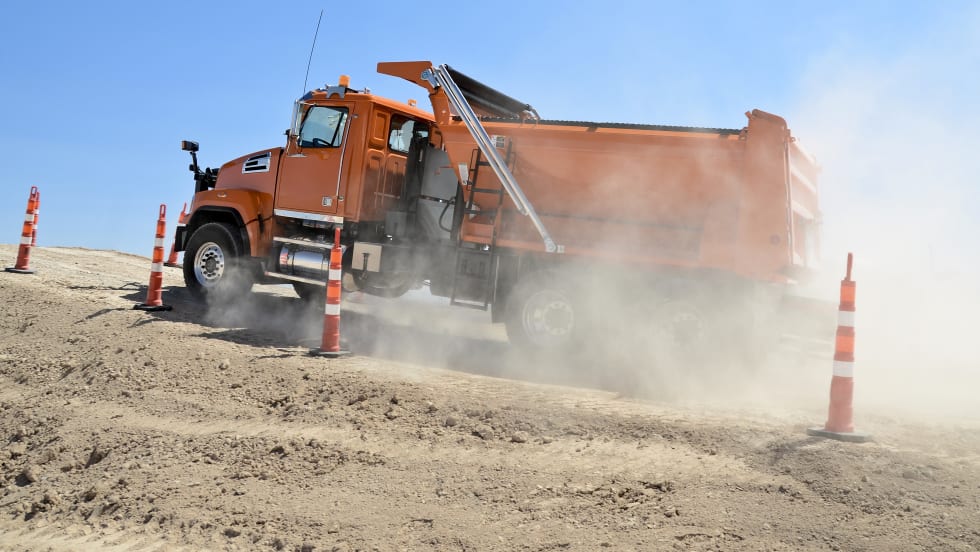
Basic Tracking vs Next Generation Fleet Technology
Fleet software is getting more sophisticated and effective than ever, tying big data models together to transform maintenance, safety, and the value of your existing tech stack. Fleet technology upgrades are undoubtedly an investment, but updated technology can offer a much higher return. Read how upgrading your fleet technology can increase the return on your investment.
Read More →
It’s here: The 2026 Fleet Technology Trends Report
What does AI mean for fleets? Get the answer — and learn other top tech trends.
Read More →
Small Fleets, Big Impact: How Independent Drivers Power Wreaths Across America
Check out how small fleets and independent drivers power Wreaths Across America each December and why their impact matters more than ever.
Read More →
VMS Survey Finds 65% of Small Fleet Managers Run Operations Alone
A new VMS survey shows small fleet managers are stretched thin, with most handling operations solo and eager to adopt digital tools for relief.
Read More →
Tips for Driving Safely on Halloween Night
This video features a reminder from the Connecticut Department of Transportation (DOT) and the Connecticut Police Chiefs Association, urging drivers to prioritize safety this Halloween.
Read More →
AI, Access, and Uptime: VMS’s Next Chapter with David Prusinski
VMS’s new Co-CEO, David Prusinski, shares how an AI-first approach will give small fleets and repair shops the tools to compete like big players.
Read More →