




Feds Offer Exclusion from Tariffs on Steel and Aluminum
The Department of Commerce has outlined a process that would allow individual American businesses to apply for an exclusion from the tariffs on imported steel and aluminum recently enacted by the Trump administration.
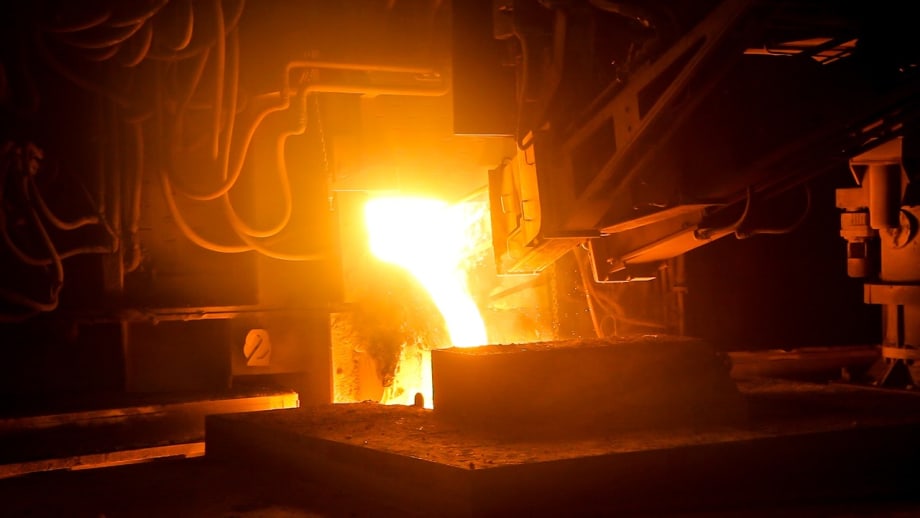
American businesses may apply for an exclusion through the Commerce Department from the recently enacted tariffs on imported steel and aluminum. Photo: Creative Commons
The Department of Commerce Department has outlined a process that would allow individual American businesses to apply for an exclusion from the tariffs on imported steel and aluminum recently enacted by the Trump administration.
Businesses may submit requests to the Office of the Secretary of Commerce for an exclusion if the affected parties can argue that the the U.S. can’t produce enough needed steel or aluminum materials or those are not able to be produced to the quality needed. There can also be exclusions based on specific national security considerations.
All exclusion requests or objections to submitted exclusion requests will be made publicly available, unless the requests are subject to government-imposed access restriction or other national security controls, such as classified information.
The Motor and Equipment Manufacturers Association, a trade group that includes the Heavy Duty Manufacturers Association, took issue with the fact that only individual companies and organizations may apply for the exclusions and is urging the Trump administration to allow trade associations to apply on behalf of members.
MEMA has publicly opposed President Trump’s tariff plan, saying in a statement, “The burden of these tariffs, as always, will be passed on to the American consumer.”
On March 8, Trump signed an executive order that placed a 25% tariff on imported steel and a 10% tariff on imported aluminum that is scheduled to go into effect on March 23. Imports from Canada and Mexico will initially be exempted from the tariffs and the order left the door open for exemptions for other countries in the future.
The tariffs were strongly opposed by many groups in the U.S. over fears of increased prices and the possibility of a trade war with other countries that could affect the prices and availability of other imports and exports. White House Chief Economist Gary Cohn reportedly clashed with the president over the matter, ultimately deciding to resign because of it.
On March 18, a letter signed by 45 trade associations, including the Auto Care Association. representing a range of major companies urged the president not to impose tariffs on U.S. imports from China. The Washington Post reported that the U.S. was preparing to impose $60 billion in annual tariffs against Chinese products to combat the trade deficit between the two countries. China is the largest U.S. trading partner, importing more than $460 billion annually.
In the letter, the trade groups argue that the steep tariffs would “trigger a chain reaction fo negative consequences for the U.S. economy, provoking retaliation; stifling U.S. agriculture, goods, and services exports;and raising costs for businesses and consumers.”
While the trade groups agree with the president that China has propagated unfair trade practices and policies, it believes that the tariffs will only harm American businesses, workers, and investors.
Originally posted on Automotive Fleet
More Operations
Family Ties Inside the Fleet Families Building Careers Across Generations
Three fleet families share what it really takes to work together, learn across generations, and keep business from following them home.
Read More →
Shades of Fleet Call for Voices: Fleet's Hidden Heroes
Fleet’s hidden heroes are often the ones keeping everything moving behind the scenes. September’s Shades of Fleet is looking for dispatchers, coordinators, parts specialists, and other support pros to share their stories.
Read More →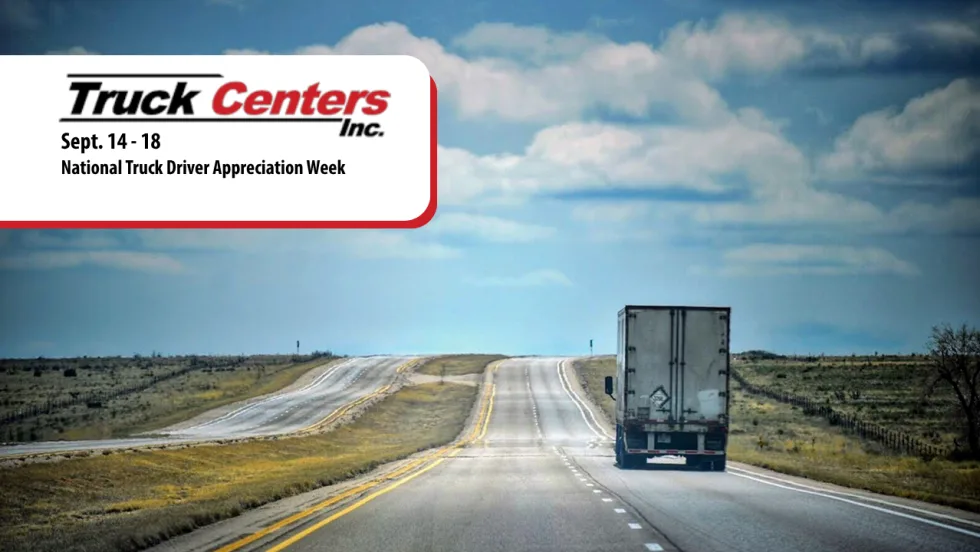
Truck Centers, Inc. Celebrates National Truck Driver Appreciation Week with $1,000 Fuel Card Giveaways
During National Truck Driver Appreciation Week, Truck Centers, Inc. is offering customers a chance to fuel up for free. Customers at all Truck Centers locations can enter to win one of four $1,000 fuel cards from Sept. 14 - 18.
Read More →
Fleet Guides, AI Time-Savers, Truck Tariffs & Fuel Strategy Lead the News
This week’s Truck Chat Cheat Sheet covers new fleet vehicle guides, practical AI use cases, U.S.-Canada truck production, mixed-energy strategy, and more.
Read More →
What Fleet Employers Are Missing When Hiring Veterans
What if some of the strongest candidates for fleet are already out there, but their experience is written in a language our industry does not always recognize?
Read More →
Automotive Fleet Opens 2026 Personal Use Survey for Commercial Fleet Managers
Less than two weeks left! Commercial and corporate fleet managers are invited to share how their organizations handle company vehicle personal-use policies, charges, and driver eligibility.
Read More →
What Resilient Fleets Do Differently When Conditions Change
Fleet resilience is about more than reacting to disruption. Lauren Fletcher talks with AP Fleet’s Alex Coveney about flexibility, planning, scaling, and what helps fleets adapt when business conditions shift.
Read More →
If We Want the Next Generation in Automotive, We Have to Give Them a Reason to Care
The automotive industry talks constantly about its workforce shortage. But before we can recruit the next generation, we may need to do a better job giving kids a reason to care about automotive in the first place.
Read More →
Ram ProMaster City Under $40K, Truck Tariffs, and AI Maintenance Lead the News
A sub-$40K commercial van, tariff questions, AI-powered maintenance, and a new EV production strategy headline this week’s Truck Chat Cheat Sheet.
Read More →
Bob Adamsky Shares the Fleet Lessons You Usually Learn the Hard Way
After more than 30 years in fleet, Arrow International’s Bob Adamsky has learned that the job is about far more than vehicles. He shares the lessons he wishes every fleet manager could learn a little earlier.
Read More →