




EPA Won't Relax Pollution Rules to Boost Sales of Diesel Vehicles
The Environmental Protection Agency doesn't plan to relax air pollution rules to make it easier for automakers to sell fuel-efficient diesel-powered cars and trucks, an EPA official said March 4, according to a Wall Street Journal story by Jeffrey Ball. Automakers have hinted in recent months that they want the EPA to loosen its so-called Tier 2 emission rules to make way for more diesels. Diesels get better fuel economy than comparable gasoline engines, so they would help auto makers meet what they expect will be some increase in a separate federal rule: the Corporate Average Fuel Economy, or CAFE, standard. On March 4, the 2002 Society of Automotive Engineers World Congress in Detroit was the scene of a lovefest for the inclusion of diesel technology in the discussion of fuel economy and the future of the auto industry, according to the Detroit Free Press. "Modern diesel technology can answer many of the needs of our society," claimed Nick Scheele, chief operating officer at Ford Motor Co. "Yes, it's got its problems, but the advantages vastly outweigh its shortcomings." In Europe, diesel engines power about 30 percent of vehicles and the panelists agreed that there should be serious consideration given to bringing the technology back to the United States. The problem with diesels, however, is that even today's modern versions emit more nitrogen oxides and soot particulates than comparable gasoline engines, which means automakers have more work to do before they can get their diesels to meet the increasingly stringent Tier 2 rules. Jeffrey R. Holmstead, the EPA's assistant administrator for air and radiation, said at an auto industry that loosening of the Tier 2 rules would be "a mistake" and isn't necessary. "My sense is the Tier 2 structure will accommodate as many diesels as anybody will want to sell," he said, referring to automakers. "I think it's important for the industry to stand up and say all these technologies meet the same [air-pollution] standard," Holmstead said. According to Holmstead, Americans aren't likely to accept diesels widely as an alternative to gasoline-powered engines unless they're convinced diesels are as environmentally friendly in all respects.
More Small Fleet


Developing Budget-Friendly Driver Safety Programs
From driver training and safety meetings to one-on-one coaching and incentive programs, several small fleets share how they have developed a safety culture with their drivers using low- to no-cost resources.
Read More →
Boosting Last-Mile Fleet Uptime, Safety, and Value with AI Vehicle Inspections
AI-powered inspections are transforming last-mile fleets by replacing manual checks with highly accurate automated scans that detect defects in seconds. By giving fleet operations visibility into the daily condition of their vehicles, you can identify trends over the vehicle’s lifecycle that enable improved procurement decisions, route management, driver training and accountability.
Read More →
Five Ways Seat Belts Help Prevent Injuries
There are five ways seat belts protect occupants from injuries, according to the Tennessee Department of Safety and Homeland Security.
Read More →
It’s here: The 2026 Fleet Technology Trends Report
What does AI mean for fleets? Get the answer — and learn other top tech trends.
Read More →
Small Fleets, Big Impact: How Independent Drivers Power Wreaths Across America
Check out how small fleets and independent drivers power Wreaths Across America each December and why their impact matters more than ever.
Read More →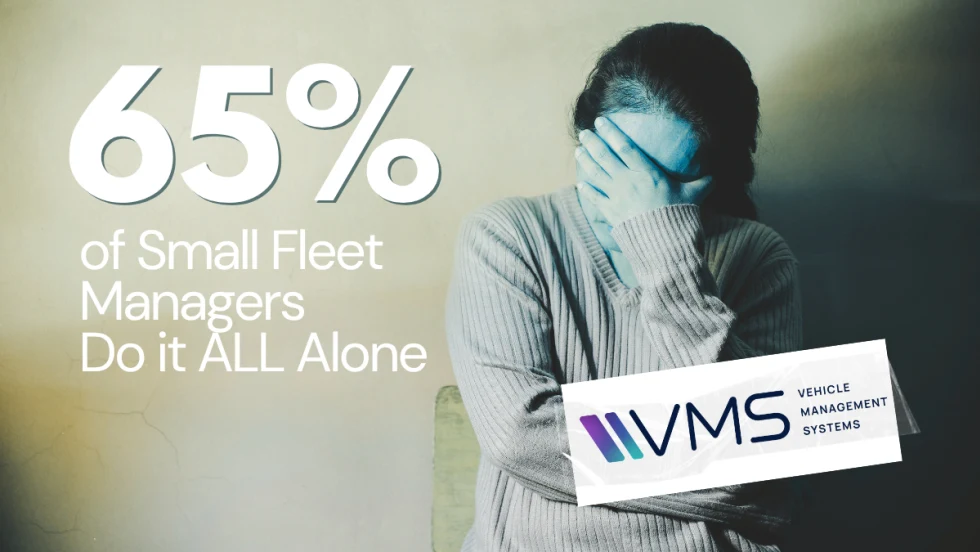
VMS Survey Finds 65% of Small Fleet Managers Run Operations Alone
A new VMS survey shows small fleet managers are stretched thin, with most handling operations solo and eager to adopt digital tools for relief.
Read More →
Tips for Driving Safely on Halloween Night
This video features a reminder from the Connecticut Department of Transportation (DOT) and the Connecticut Police Chiefs Association, urging drivers to prioritize safety this Halloween.
Read More →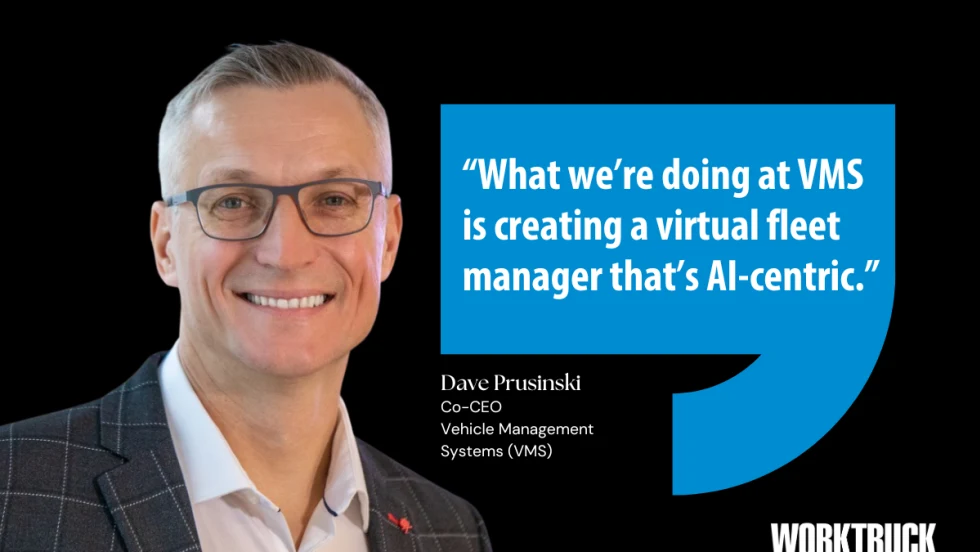
AI, Access, and Uptime: VMS’s Next Chapter with David Prusinski
VMS’s new Co-CEO, David Prusinski, shares how an AI-first approach will give small fleets and repair shops the tools to compete like big players.
Read More →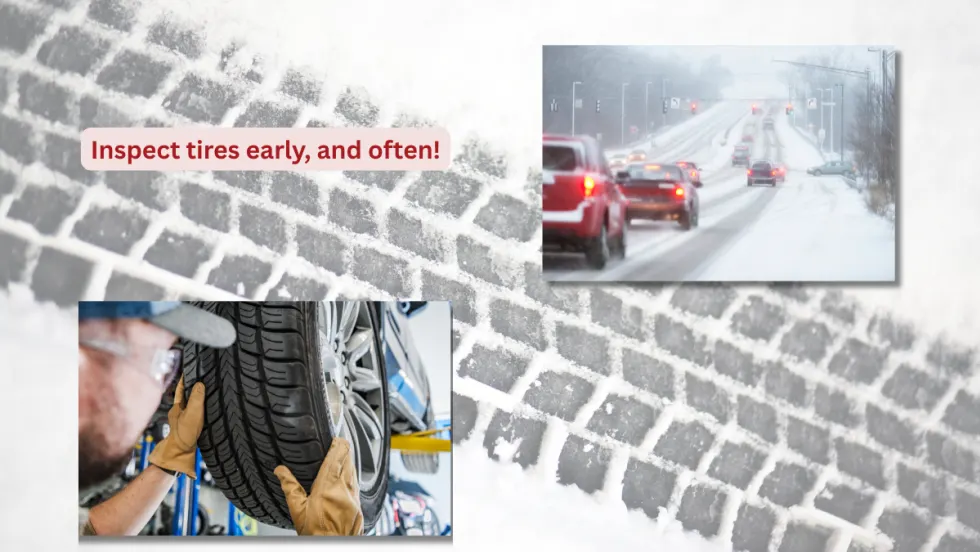
Fleet Managers Share Winter Prep Tips: It's Never Too Early!
Three fleets share best practices to prep vehicles for winter and prevent downtime when the cold sets in.
Read More →