




EPA to Revise Mileage Estimates
Stickers on new vehicles will be upgraded to include fuel cost information, a graphic for comparing the fuel economy of different vehicles and a Web site address for more information.
The Environmental Protection Agency recently issued new testing procedures that will cause fuel economy estimates on the stickers of new vehicles to drop an average of 12 percent for city driving on most 2008 model year vehicles, and 8 percent for highway driving, according to The Associated Press. Highly fuel-efficient vehicles are expected to see the largest decrease, with ratings for city driving dropping by as much as 30 percent and highway estimates falling 25 percent from current levels. Mileage estimates for gas-electric hybrids probably will be 20 to 30 percent lower for city driving and 10 to 20 percent lower on the highway, the agency said. The changes respond to consumer complaints that fuel economy estimates are frequently less than advertised. EPA's new system will take into account data from vehicle tests designed to more accurately assess high-speed driving, rapid acceleration, the use of air conditioning and driving in cold temperatures. The agency said the test methods will help bring the estimates on the window stickers closer to the miles per gallon that drivers achieve on the road. Test results will not be used to determine whether automakers comply with laws requiring the U.S. fleet to have an average fuel economy of 27.5 miles per gallon for cars and 21 mpg for sport utility vehicles, pickup trucks and vans. Those requirements are found in the Corporate Average Fuel Economy program, which is run by the Transportation Department and has separate regulations to determine fuel economy, The Associated Press reports. For the first time, the agency will require fuel economy labeling of medium-duty vehicles, which weigh between 8,500 and 10,000 pounds, including SUVs and vans. Automakers will be required to post the labels on the vehicles beginning with the 2011 model year. Auto industry officials noted that mileage estimates differ based on vehicle speeds, quick stops and starts, routine maintenance and whether the vehicle is hauling cargo in the trunk. "Even with the new labels, mileage will vary," said Charles Territo, a spokesman for the Alliance of Automobile Manufacturers. The trade group released a new Web site detailing the changes: http://www.mileagewillvary.com.
More Small Fleet


Developing Budget-Friendly Driver Safety Programs
From driver training and safety meetings to one-on-one coaching and incentive programs, several small fleets share how they have developed a safety culture with their drivers using low- to no-cost resources.
Read More →
Boosting Last-Mile Fleet Uptime, Safety, and Value with AI Vehicle Inspections
AI-powered inspections are transforming last-mile fleets by replacing manual checks with highly accurate automated scans that detect defects in seconds. By giving fleet operations visibility into the daily condition of their vehicles, you can identify trends over the vehicle’s lifecycle that enable improved procurement decisions, route management, driver training and accountability.
Read More →
Five Ways Seat Belts Help Prevent Injuries
There are five ways seat belts protect occupants from injuries, according to the Tennessee Department of Safety and Homeland Security.
Read More →
It’s here: The 2026 Fleet Technology Trends Report
What does AI mean for fleets? Get the answer — and learn other top tech trends.
Read More →
Small Fleets, Big Impact: How Independent Drivers Power Wreaths Across America
Check out how small fleets and independent drivers power Wreaths Across America each December and why their impact matters more than ever.
Read More →
VMS Survey Finds 65% of Small Fleet Managers Run Operations Alone
A new VMS survey shows small fleet managers are stretched thin, with most handling operations solo and eager to adopt digital tools for relief.
Read More →
Tips for Driving Safely on Halloween Night
This video features a reminder from the Connecticut Department of Transportation (DOT) and the Connecticut Police Chiefs Association, urging drivers to prioritize safety this Halloween.
Read More →
AI, Access, and Uptime: VMS’s Next Chapter with David Prusinski
VMS’s new Co-CEO, David Prusinski, shares how an AI-first approach will give small fleets and repair shops the tools to compete like big players.
Read More →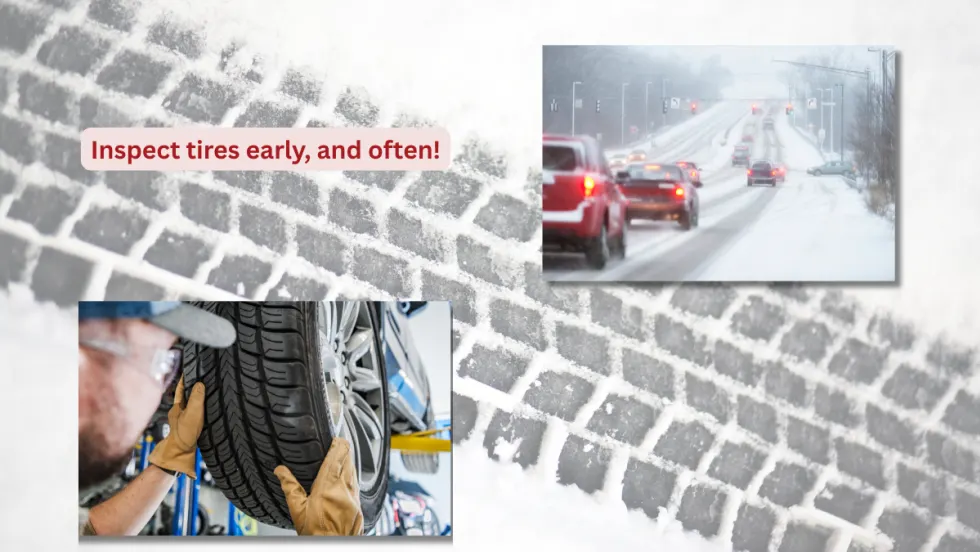
Fleet Managers Share Winter Prep Tips: It's Never Too Early!
Three fleets share best practices to prep vehicles for winter and prevent downtime when the cold sets in.
Read More →