




EPA To Consider Revision of Gas Mileage Test
The federal Environmental Protection Agency is considering changes to how it calculates mileage estimates, the EPA said in a statement recently. An environmental group called Bluewater Network filed a petition in June 2002 urging EPA to revise testing procedures implemented in 1985. Bluewater Network believes actual fuel economy can be as much as 34 percent lower than the EPA’s current labels, the network said recently in a written statement. The group contends that current estimates do not take into account changes in driving patterns and conditions, such as increased congestion, use of air-conditioning, and the speed limit increase from 55 to 70 miles per hour. “This has been a topic of conversation for a number of years, so this hasn’t been coming out of the blue,” said Stuart Gosswein the Government Affairs Manager for SEMA, the Specialty Equipment Market Association. “This may be the trigger that allows the EPA to officially review the policy.” A downward revision of EPA fuel economy labels would have real-world effects. The corrected EPA figures would provide more accurate information to those forecasting annual expenses on their new vehicles in fleet, for example. Current estimates, according to Bluewater’s petition, are costing car owners hundreds of dollars more in fuel than they expect to pay. CAFE, or Corporate Average Fuel Economy, could be affected as well. CAFE is the fleet-wide minimum fuel economy ratings for auto manufacturers. Under the Energy Policy and Conservation Act of 1975 manufacturers are credited or penalized for falling above or below CAFE standards. For 2005 models, a manufacturer’s entire fleet must average at least 27.5 mpg for gasoline cars and 21 mpg for light trucks to be in compliance. NHTSA sets CAFE standards based on EPA figures. New EPA ratings would put pressure on NHTSA to use more realistic numbers as well. Manufacturers, barring legislative inteference, would be forced to scramble to produce more fuel-efficient cars to meet those standards.
More Small Fleet

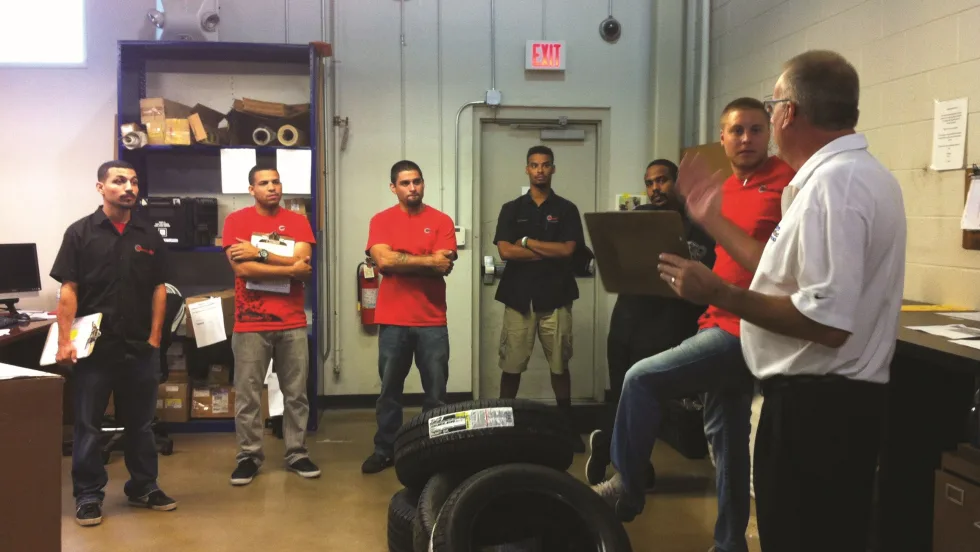
Developing Budget-Friendly Driver Safety Programs
From driver training and safety meetings to one-on-one coaching and incentive programs, several small fleets share how they have developed a safety culture with their drivers using low- to no-cost resources.
Read More →
Boosting Last-Mile Fleet Uptime, Safety, and Value with AI Vehicle Inspections
AI-powered inspections are transforming last-mile fleets by replacing manual checks with highly accurate automated scans that detect defects in seconds. By giving fleet operations visibility into the daily condition of their vehicles, you can identify trends over the vehicle’s lifecycle that enable improved procurement decisions, route management, driver training and accountability.
Read More →

Five Ways Seat Belts Help Prevent Injuries
There are five ways seat belts protect occupants from injuries, according to the Tennessee Department of Safety and Homeland Security.
Read More →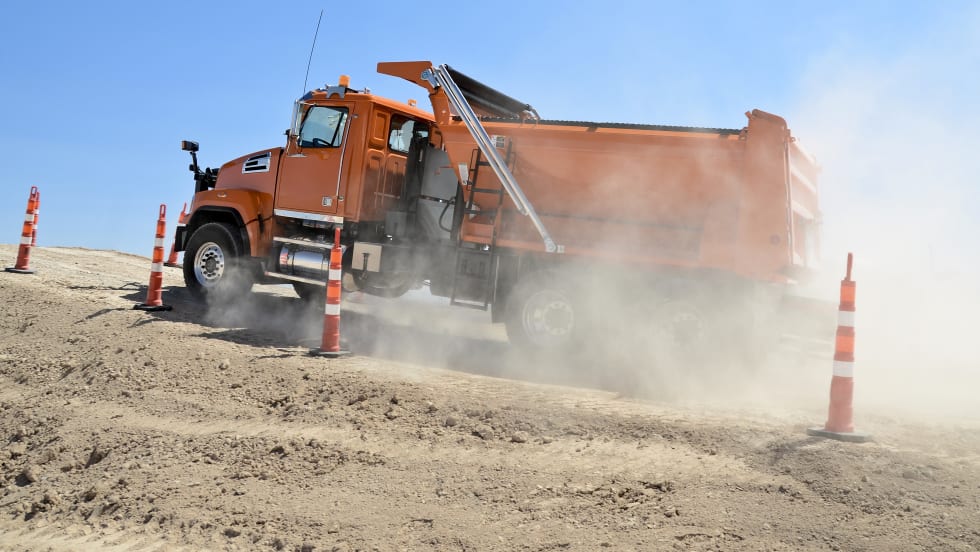
Basic Tracking vs Next Generation Fleet Technology
Fleet software is getting more sophisticated and effective than ever, tying big data models together to transform maintenance, safety, and the value of your existing tech stack. Fleet technology upgrades are undoubtedly an investment, but updated technology can offer a much higher return. Read how upgrading your fleet technology can increase the return on your investment.
Read More →
It’s here: The 2026 Fleet Technology Trends Report
What does AI mean for fleets? Get the answer — and learn other top tech trends.
Read More →
Small Fleets, Big Impact: How Independent Drivers Power Wreaths Across America
Check out how small fleets and independent drivers power Wreaths Across America each December and why their impact matters more than ever.
Read More →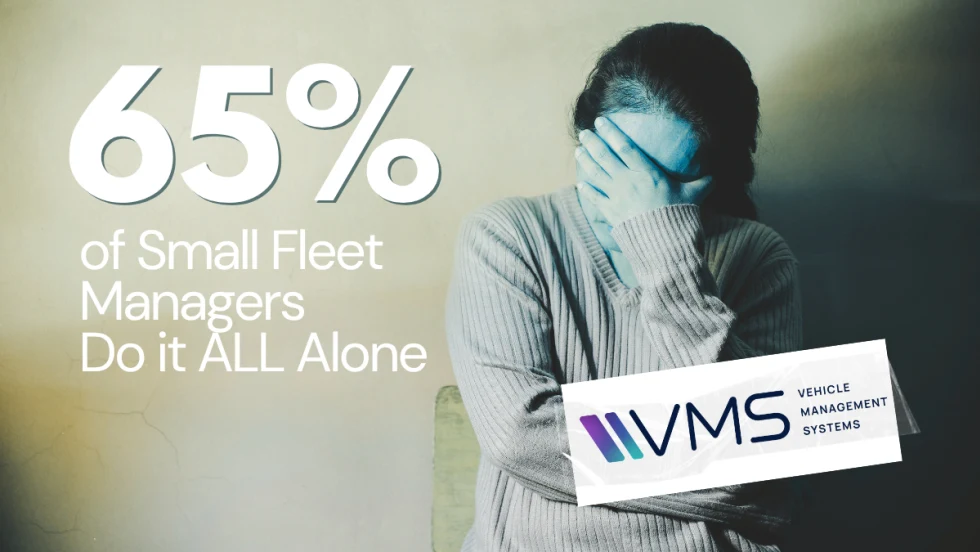
VMS Survey Finds 65% of Small Fleet Managers Run Operations Alone
A new VMS survey shows small fleet managers are stretched thin, with most handling operations solo and eager to adopt digital tools for relief.
Read More →
Tips for Driving Safely on Halloween Night
This video features a reminder from the Connecticut Department of Transportation (DOT) and the Connecticut Police Chiefs Association, urging drivers to prioritize safety this Halloween.
Read More →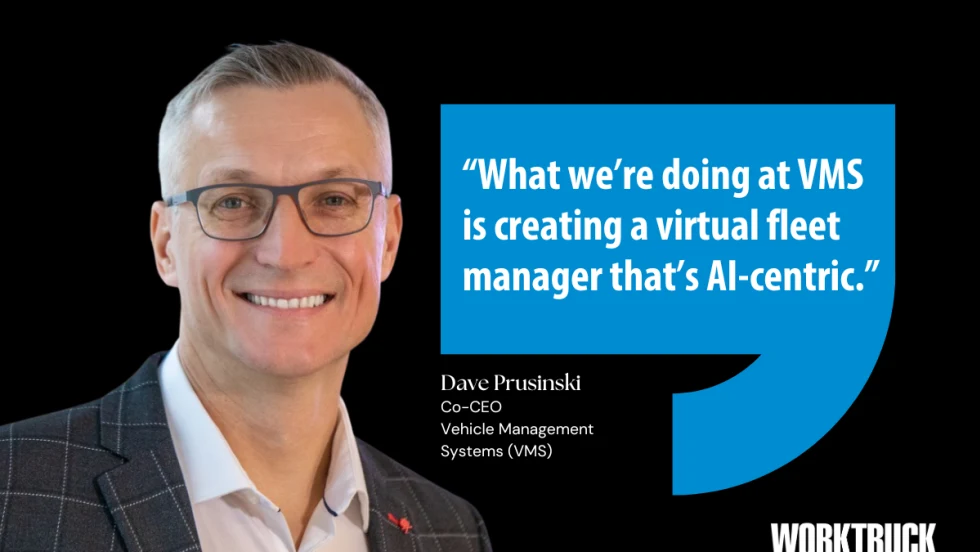
AI, Access, and Uptime: VMS’s Next Chapter with David Prusinski
VMS’s new Co-CEO, David Prusinski, shares how an AI-first approach will give small fleets and repair shops the tools to compete like big players.
Read More →