





Related: CVSA Director Talks ELDs, Enforcement, and the Future
ELD Mandate Enforcement Kicks in for Real April 1
Although the electronic logging device mandate went into effect in December, the full-enforcement of the rule – and all of its penalties – is fast approaching on April 1.
February 27, 2018
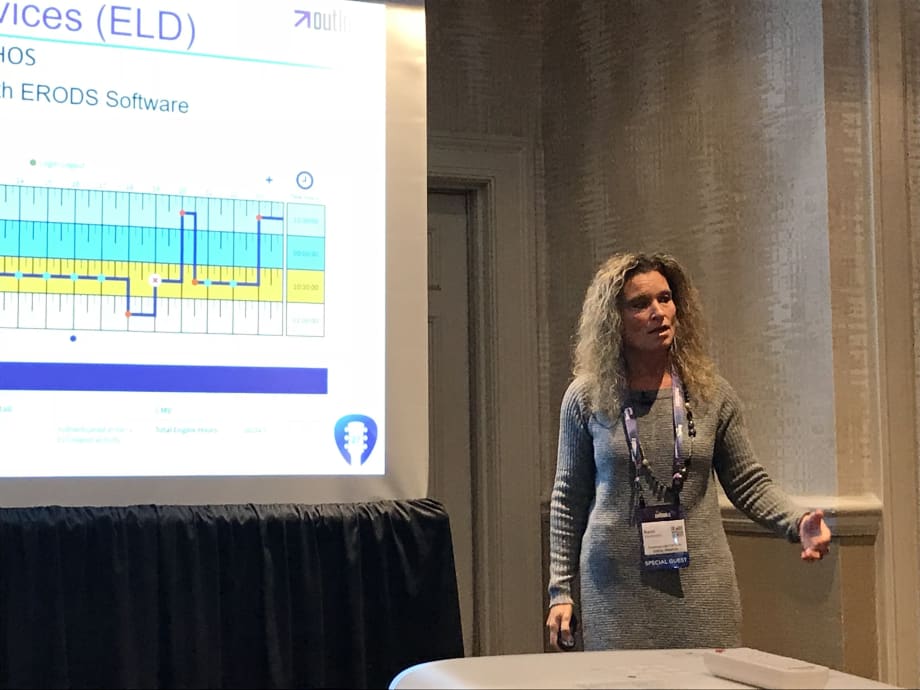
CVSA’s Kerri Wirachowsky speaking about ELD enforcement after the April 1 deadline. Photo: Jim Beach
3 min to read
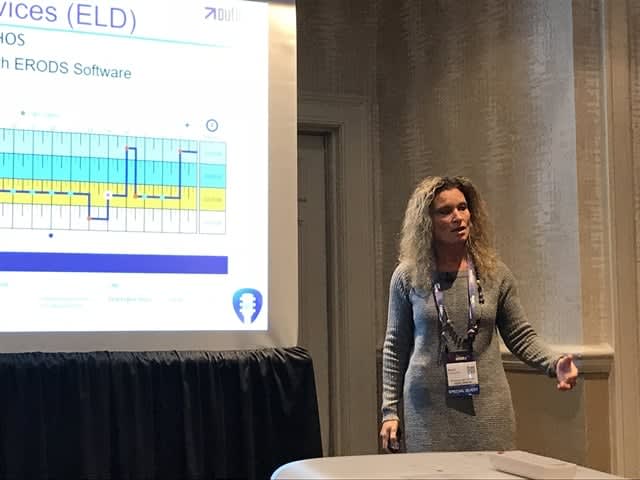
CVSA’s Kerri Wirachowsky speaking about ELD enforcement after the April 1 deadline.Photo: Jim Beach
NASHVILLE — The electronic logging device mandate became effective in December, but law enforcement agencies have been observing a “soft enforcement” stance since then, with ELD violations written up as 395.22(a) violations with no CSA points or vehicles being placed out of service.
But that’s about going to in a little over a month, explained Kerri Wirachowsky, the Commercial Vehicle Safety Alliance’s director of roadside inspection program during a session on ELD enforcement at Omnitracs’ Outlook 2018 user conference here on Feb. 26. She said that come April 1, the full enforcement of the ELD rule will kick in – including the assigning of CSA points and the issuing of out-of-service citations
There is still confusion about the ELD rule, even among law enforcement, Wirachowsky said. Therefore, fleets should do all they can to help inspectors determine which type of device drivers are using. That’s especially critical as certified AOBRDs are allowed to be used through Dec. 17, 2019, thanks to a grandfather clause.
“Make sure your drivers have the device cab card in the cab,” she advised. In fact, the regulation requires the following information to be available in the cab: a user manual describing how to use the ELD; an instruction sheet for producing and transferring data; an instruction sheet for reporting malfunctions and record-keeping procedures during malfunctions; and a supply of blank records of duty status for recording hours of service for at least 8 days. Any of this information can be in electronic form.
As of April 1, a driver can be placed out-of-service if:
Using an unauthorized logging device not registered with the Federal Motor Carrier Safety Administration
Unable to produce and transfer data electronically from an ELD to an authorized law enforcement officer, or to produce the data via the display or print it out. A driver with an AOBRD can be placed out-of-service if unable to display or produce records of duty status
Driver indicates a special driving category when not involved in that category (considered a false log)
Driver is required to have an ELD and the vehicle is not equipped with one (or an AOBRD until Dec. 17, 2019).
There might be some jurisdictions where the “soft enforcement” is not being followed. In such cases, if a driver is cited, the carrier will need to file a DataQ along with all supporting documents, including copies of valid HOS records.
While AOBRDs are allowed until late next year, there are some key differences, Wirachowsky said. “It’s not the hardware, it’s the software.” Among these differences, a roadside inspector should be able to check a driver’s HOSs record on the screen of the device. With some AOBRDs, that might require a file upload. That’s another thing some inspector may not understand. Again, as much help as the driver can provide is key.
Some of the key differences between an ELD and AOBRD are shown in the comparison chart below:
AOBRD | ELDs | |
Integrally synchronized | Yes | Yes |
Automatic recording of HOS | Yes | Yes |
Technical specifications | Limited | Yes |
Registered with FMCSA | No | Yes |
Printing requirements | None | If no display screen |
Data Transfer requirements | None | Telematics or local |
Permitted Use | Dec. 18, 2017 – Dec. 19, 2019 | Dec. 18, 2017 |
Wirachowsky noted that there are some exemptions for ELDs. Fleets are advised to make sure a copy of any exemption they have is kept in the truck at all times.
Originally posted on Automotive Fleet
More Technology
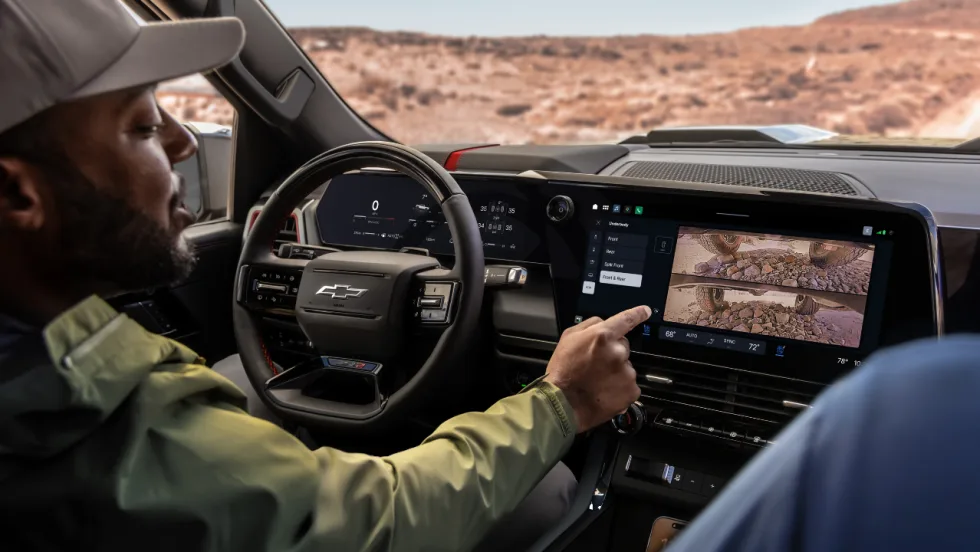
GM Brings New Truck Focused Interface to 2027 Silverado and Sierra
GM's new pickup interface puts trailering data, camera views, vehicle controls, and smartphone integration closer to the driver in the 2027 Silverado and Sierra.
Read More →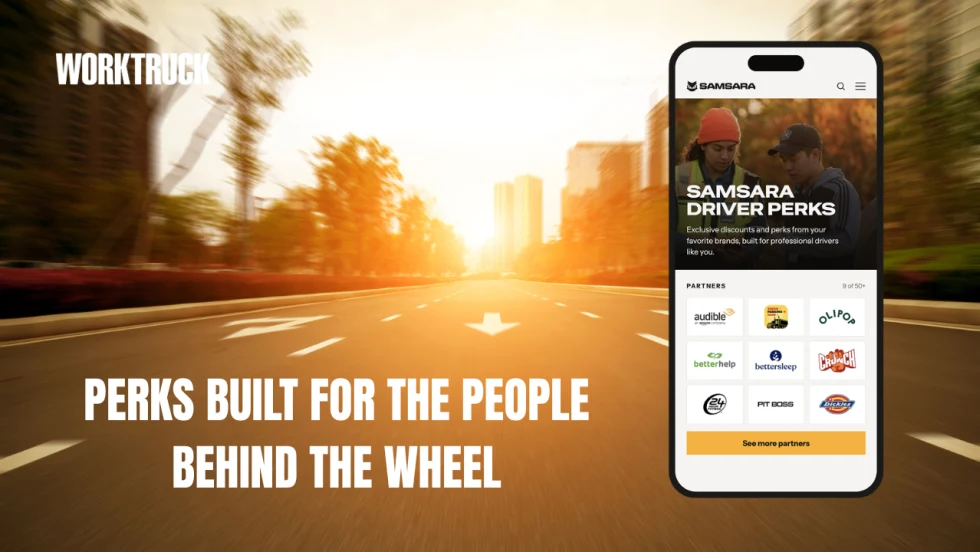
Samsara Driver Perks Expands Rewards Beyond the Long Haul Driver
Samsara’s new driver rewards program was built with a broader professional driver in mind, including employees who split their day between driving, job sites, service calls, and other work.
Read More →
AI Service Advisor Aims to Cut Fleet Repair Downtime
Fleetio said its AI Service Advisor can help fleets cut repair downtime by an average of 2.5 hours per repair while reducing manual maintenance work.
Read More →
Verra Mobility Launches AI-Driven Title & Registration Solution
Verra Mobility has launched a new AI-driven Title & Registration platform to help fleets move vehicles from acquisition to the road the same day while reducing compliance risk.
Read More →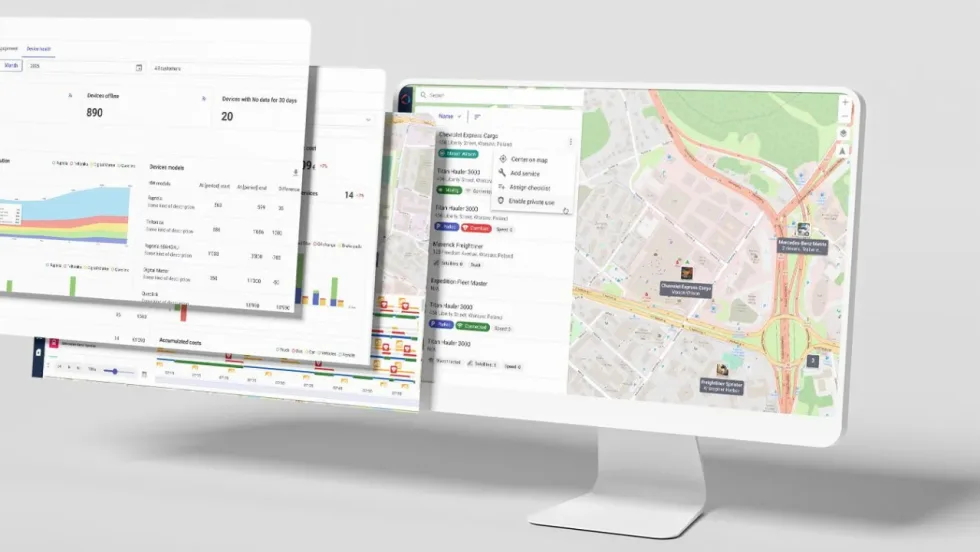
Wialon Unlocks OEM Data to Give Fleet Owners Data Ownership & Operational Clarity
Wialon has introduced hardware-free OEM integration as the EU Data Act accelerates the shift in vehicle data access across the fleet industry in many countries.
Read More →
Teletrac Navman Promotes New CEO from Within
Teletrac Navman’s next CEO, Ricardo Buranello, has served as the company’s chief financial and operating officer. He brings deep financial and operational expertise, a strong strategic orientation, and an intimate knowledge of the business to his new role.
Read More →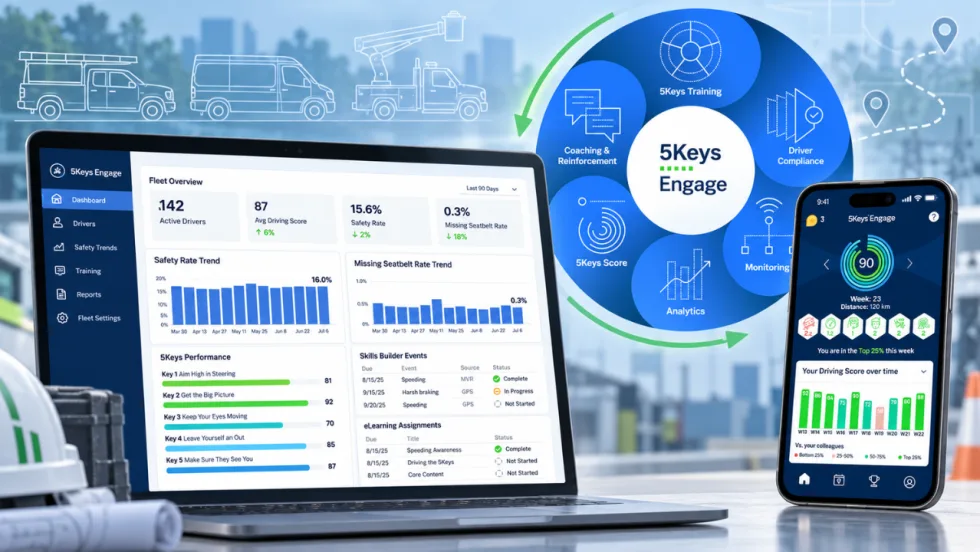
Smith System Wants Work Truck Fleets to Look Beyond the Driver Alert
Smith System’s new Driver Risk Management program is built to help mixed work truck fleets turn telematics alerts and observations into specific behaviors, coaching actions, and measurable follow-up.
Read More →
Ford Pro Software Updates: August 26
Check out the latest Ford Pro software updates, including Google Maps integration, Remote Vehicle Alarm integration, Motor Pool for easier management of shared pool vehicles, and more.
Read More →
Where AI Is Actually Saving Fleet Managers Time
AI is moving past the buzzword stage and into the daily fleet workflow. Fleetio’s Brianna Perry Lang breaks down where fleets are seeing real time savings, from maintenance and data entry to repair decisions, safety, and compliance
Read More →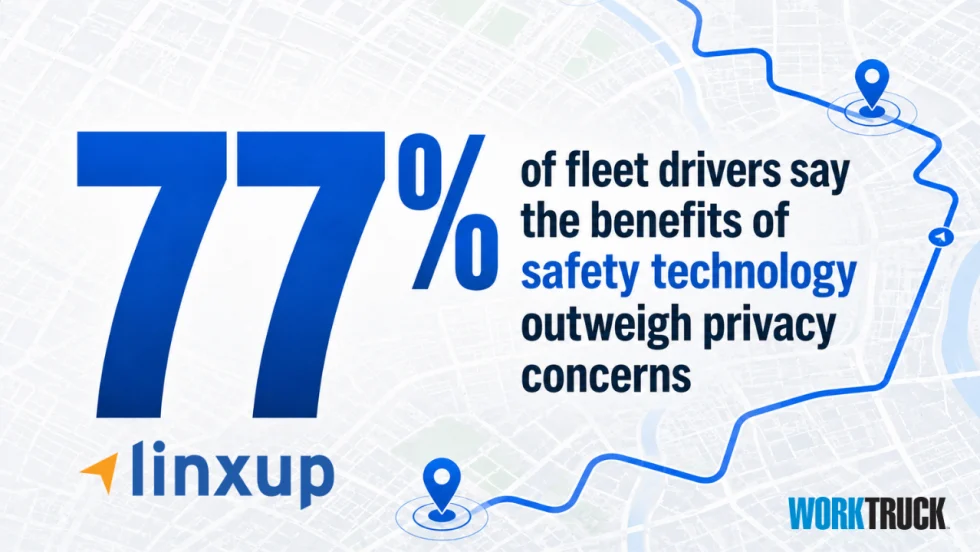
Are Work Truck Drivers Warming Up to Dash Cams and GPS Tracking?
A new survey finds field-service drivers may be more comfortable with dash cams and GPS tracking than fleet managers think, especially when the technology helps protect them after a crash.
Read More →