




Duke Energy Prepares for Hurricane Season Amid COVID-19
As the start of hurricane season approaches, Duke Energy is preparing to respond to power outages as quickly as possible – while adapting to the challenges of protecting the well-being of the company's employees, customers, and communities during the COVID-19 pandemic.

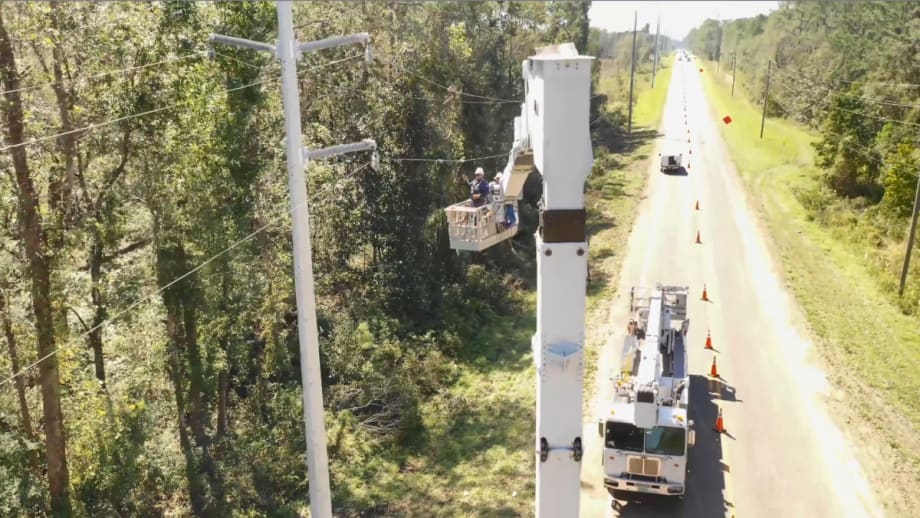
Duke Energy crews have worked through many hurricanes, including Hurricane Michael in Florida.
Photo: Duke Energy
As the June 1 start of hurricane season arrives, Duke Energy is preparing to respond to power outages as quickly as possible – while also adapting to the extra challenges of protecting the health and well-being of the company's employees, customers, and communities during the COVID-19 pandemic.
"Now more than ever, our customers are depending on us for the essential energy they need to power their homes and workplaces, which in many cases are one and the same," said Harry Sideris, senior vice president of customer experience and services. "We recognize that even brief outages in this pandemic are no longer simple inconveniences but disruptions, so it's important that we, along with our customers, plan now for any impacts a major storm may create."
Duke Energy crews are using social distancing measures and, when appropriate for certain work, face coverings while working in the field. The utility fleet is reducing or eliminating processes that involve paper transfers among crews and extended physical spacing during activities like job briefings.
Crew coordination and logistics support are being conducted remotely through a virtual outage response center model and meetings with vendors and others suppliers are underway to understand now the expectations for supporting storm response and the options available.
Social distancing rules and screening processes will occur at staging sites, crew lodging, catering, and support services to help protect crews as well as communities during large-scale outage restorations.
The public can help Duke Energy and any other utility fleet promote a safe work environment by not approaching utility crews in the field or entering their work zone as they restore power. Please adhere to local COVID-19 protective orders and follow work-zone signage instructions to help our crews avoid distraction and maintain a safe environment.
Duke Energy will continue to rely on mutual assistance agreements with neighboring and other utilities for large storm response. While the modified lodging/logistics processes put in place for COVID-19 will be different, our experience indicates that the modifications should not cause significant delays in outage response unless circumstances limit the number of off-system crews available for response.
Important Safety Reminders
Duke Energy encourage customers to have a plan in place if they experience an extended power outage. Below are some tips to help you and your family stay safe.
Before the storm hits, create (or update) an emergency supply kit to save valuable time later. The kit should include everything an individual or family would need for at least two weeks, especially medicines, water, non-perishable foods and other supplies that might be hard to find after a storm strikes. Your emergency kit should also include items that can help protect you and others from COVID-19, such as hand sanitizer, bar or liquid soap, and face coverings aligned with CDC guidance.
Keep a portable radio or TV, or NOAA weather radio on hand to monitor weather forecasts and important information from state and local officials.
Charge cellphones, computers and other electronic devices in advance of storms to stay connected to important safety and response information. Consider purchasing portable chargers and make sure they are fully charged as well.
Maintain a plan to move family members – especially those with special needs – to a safe, alternative location in case an extended power outage occurs or evacuation is required. When checking on neighbors and friends, be sure to follow social distancing recommendations (staying at least 6 feet from others) and other CDC recommendations to protect yourself and others.
Review insurance policies, and include extra copies of the policies and other important documents in your emergency supply kit (ideally in a waterproof container).
After the storm hits, stay away from power lines that have fallen or are sagging. Consider all lines energized as well as trees, limbs or anything in contact with lines.
If a power line falls across a car that you're in, stay in the car. If you MUST get out of the car due to a fire or other immediate life-threatening situation, do your best to jump clear of the car and land on both feet. Be sure that no part of your body is touching the car when your feet touch the ground.
If you need to go to a disaster shelter, follow CDC recommendations for staying safe and healthy in a public disaster shelter during the COVID-19 pandemic.
More Utility Fleet
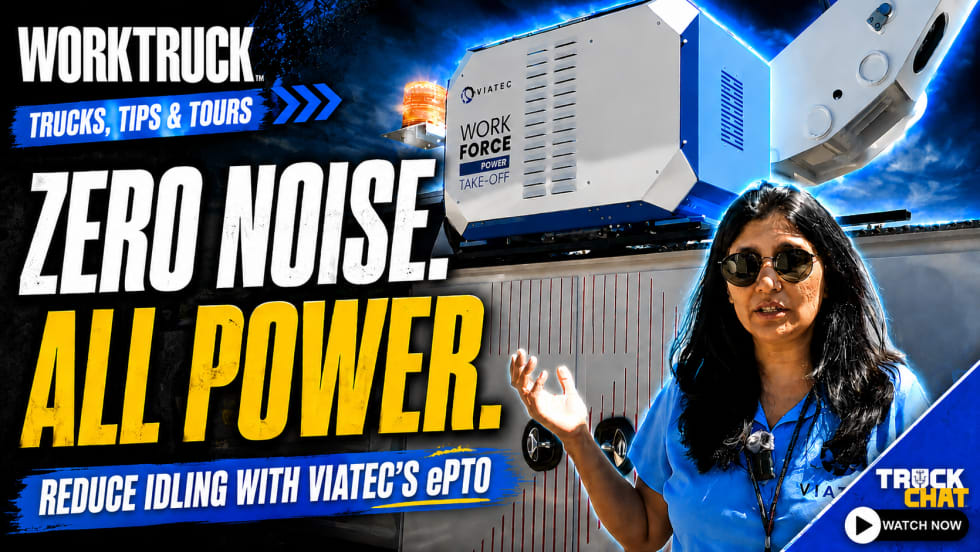
Reduce Noise & Idling with Viatec’s ePTO
Viatec's Workforce ePTO lets utility trucks power booms, outriggers, and auxiliary equipment using battery power instead of idling the engine. Learn how this technology helps reduce fuel use, noise, engine wear, and emissions while improving operator comfort.
Read More →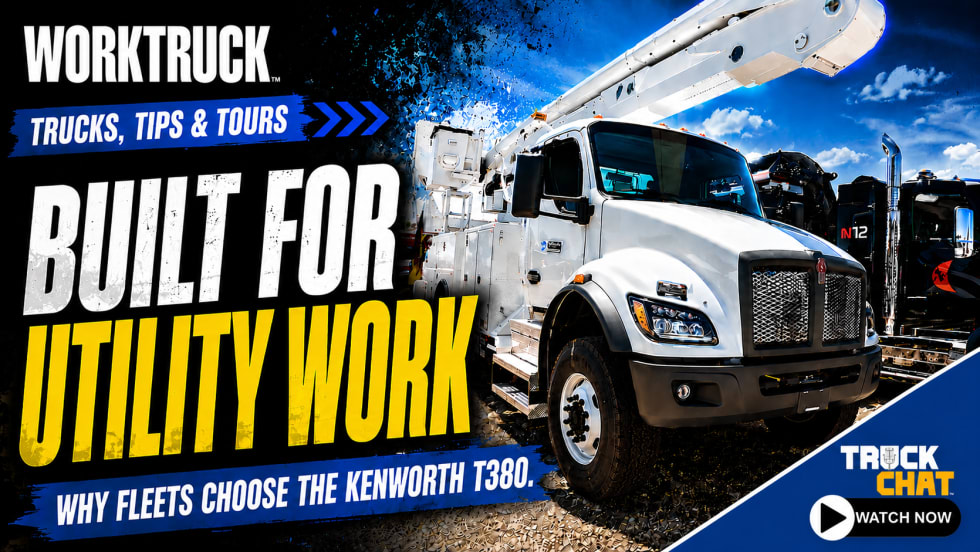
Why Utility Fleets Choose the Kenworth T380
The Kenworth T380 is engineered for utility fleets with custom chassis layouts, optimized frame rails, 4x4 capability, and improved driver visibility. See how its design helps maximize upfit flexibility and field performance.
Read More →
PALFINGER PB 38 AT P: Purpose-Built for Telecom Fleets
Purpose-built for telecommunications crews, the PALFINGER PB 38 ATP combines a 43-foot working height, flexible basket stowage, integrated cameras, and operator communication systems to improve productivity and safety during fiber and overhead cable installation.
Read More →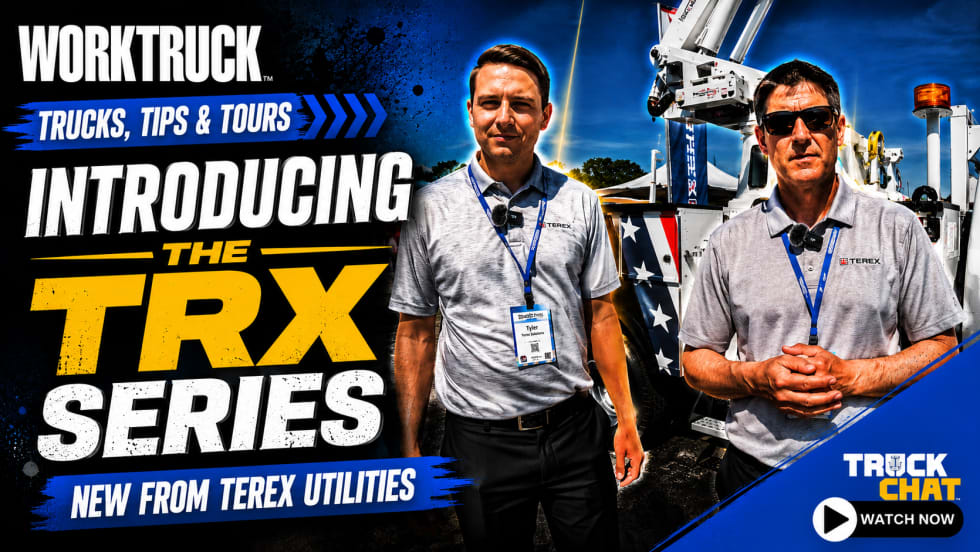
Inside Terex Utilities' Latest Work Truck Innovations
Terex Utilities is advancing utility fleet operations with its new TRX aerial platforms, Flex Pro controls, and AI-powered 3rd Eye safety technology. See how these innovations are helping fleets work safer, smarter, and more productively.
Read More →
Walkaround of International MV607 Digger Derrick
The International MV607 combines advanced safety technologies, excellent visibility, vocational flexibility, and seamless body integration to create a powerful platform for utility fleet operations. Take a closer look at this Altec digger derrick configuration from EUFMC.
Read More →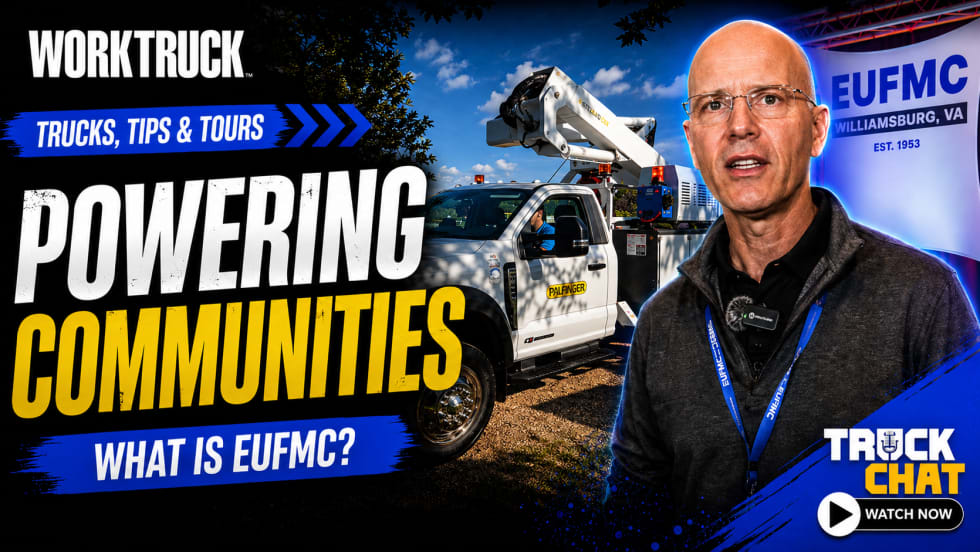
Inside the Electric Utility Fleet Managers Conference
What is EUFMC? For more than seven decades, the Electric Utility Fleet Managers Conference has served as a hub for collaboration, education, and innovation within the utility fleet industry. In this video, Work Truck talks to EUFMC President Greg Loew to learn more.
Read More →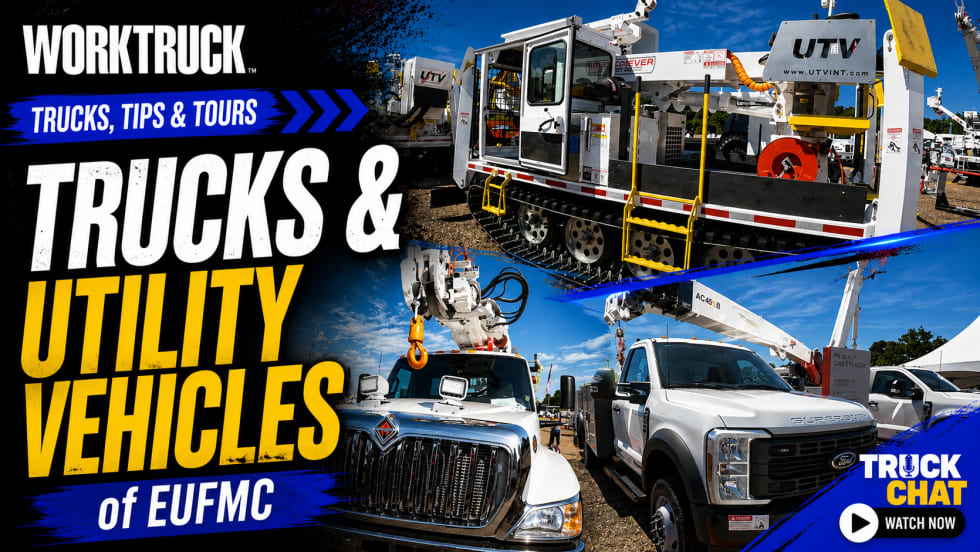
Inside the EUFMC Equipment Expo & Drive-Through
Follow Work Truck as we check out the trucks and other vehicles that were showcased at the Electric Utility Fleet Managers Conference in Williamsburg, Virginia. Whether looking for something on tires or treads, it was there for fleet managers to see.
Read More →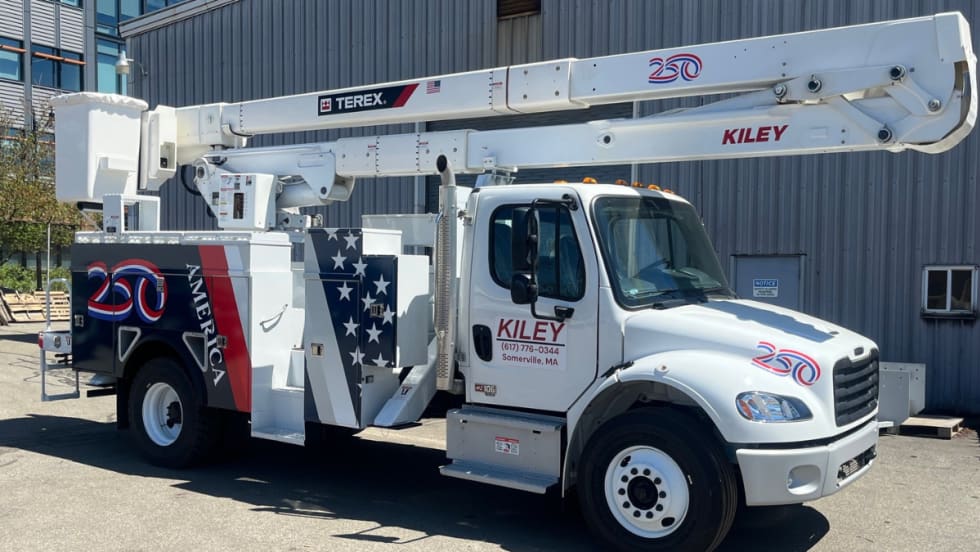
Terex Utilities & Kiley Unveil Custom America 250 Bucket Trucks at EUFMC 2026
Terex Utilities showcased a patriotic spirit in its booth this week during the Electric Utility Fleet Managers Conference in Williamsburg, Virginia, by debuting two custom-wrapped bucket trucks celebrating America’s upcoming 250th anniversary.
Read More →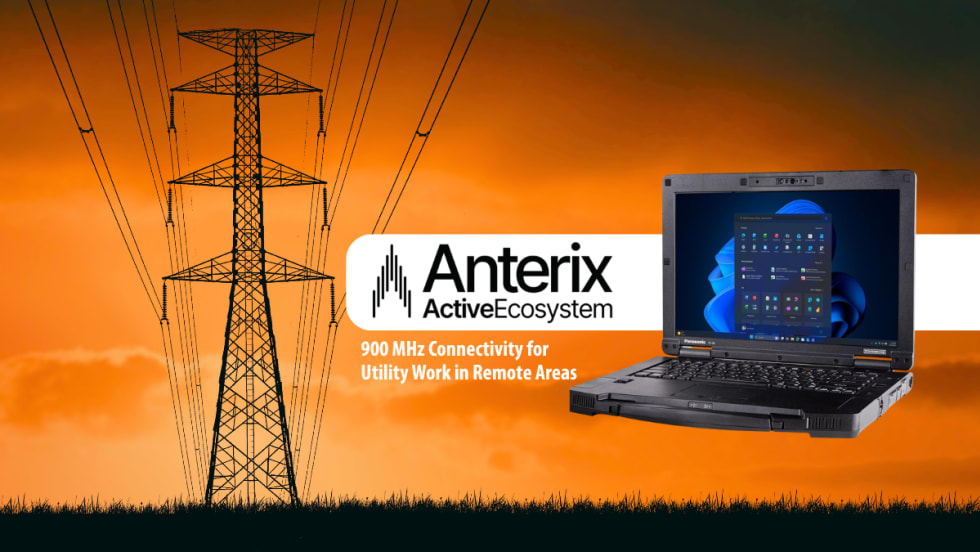
Panasonic Connect & Anterix Strengthen Connectivity Options for Utilities and Field Workers
The Panasonic Connect Toughbook 56 is the first Toughbook to earn the AnterixActive badge, which means it can connect to and operate on Anterix’s 900 MHz network even in the most remote locations.
Read More →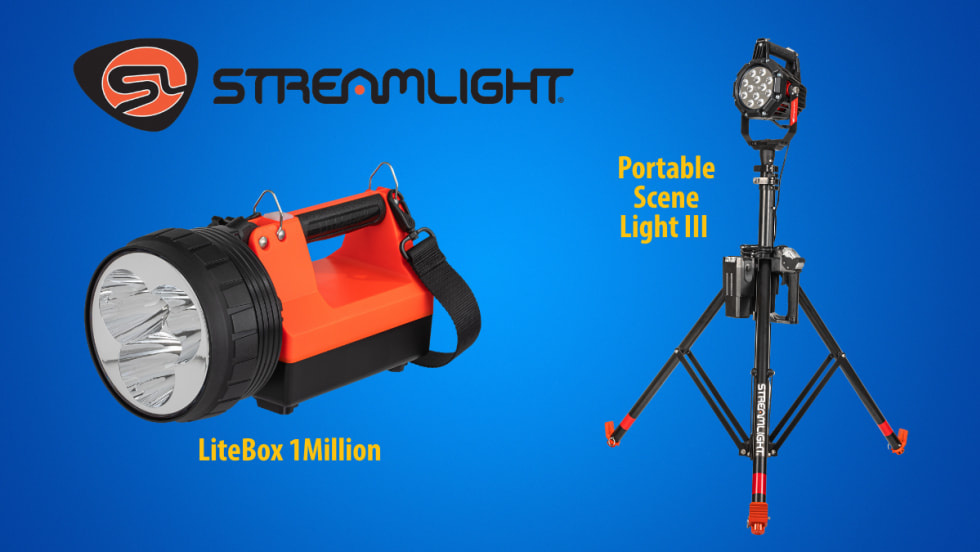
Streamlight Launches Portable Scene Light III & LiteBox 1Million
Streamlight has launched its Portable Scene Light III (PSL III), which delivers up to 10,000 lumens, and the LiteBox 1Million, a long-range search light that delivers one million candela.
Read More →