




Drivers' Smartphones Continue to Fuel Distraction
An annual State Farm survey finds that fewer drivers are having handheld phone conversations, but more drivers are accessing the Internet, texting and reading email.
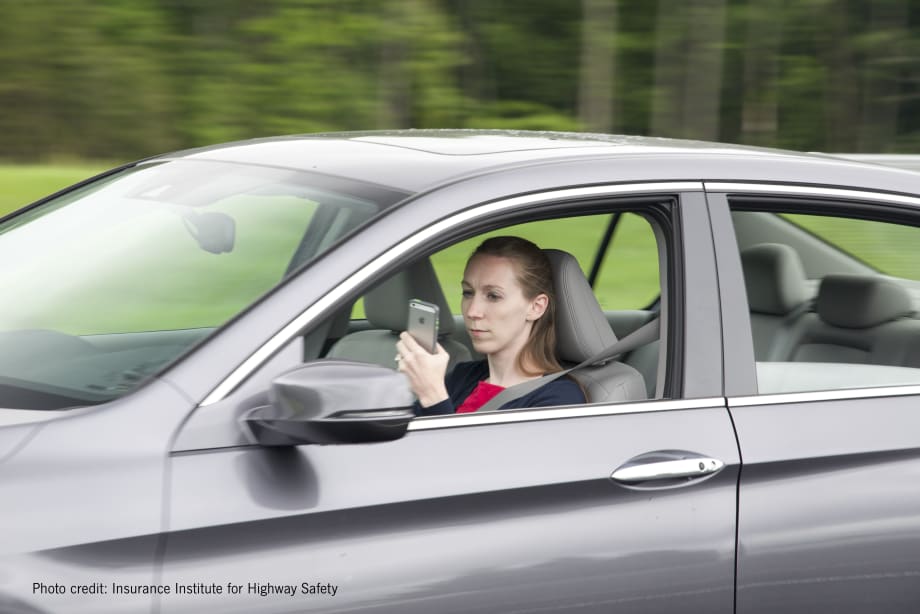
The percentage of people admitting to texting while driving has grown slightly, from 31 percent in 2009 to 36 percent in 2015, the annual survey found.
The percentage of people admitting to texting while driving has grown slightly, from 31 percent in 2009 to 36 percent in 2015, the annual survey found.
In the past seven years, the percentage of people accessing the Internet while driving has more than doubled, jumping from 13 percent in 2009 to 29 percent in 2015, according to an annual State Farm survey report.
But during the same period, the percentage of people who talk on a handheld cell phone while driving has declined — from 65 percent to 51 percent, the survey found.
The percentage of people admitting to texting while driving has grown slightly, from 31 percent in 2009 to 36 percent in 2015, despite regulatory efforts to stem the practice.
The latest survey results also identified increases in programming a navigation system/GPS (from 30 percent in 2009 to 51 percent in 2015), reading email on a cellphone (from 15 percent to 23 percent), responding to an email (from 12 percent to 18 percent), reading social media networks (from 9 percent to 21 percent), and updating social media (from 9 percent to 16 percent).
These distracting activities are more common today largely because smartphone ownership among drivers has grown so much. And smartphones continue to add features that are potentially distracting behind the wheel.
Nearly two in 10 drivers reported taking photos with their cellphone while driving, and one in 10 reported recording video. These activities weren’t included in previous State Farm surveys about distracted driving.
“It's interesting to observe how the number and types of distractions available on cellphones have grown over the years we have conducted this annual survey,” said Chris Mullen, director of technology research at State Farm. “We want to remind people that despite these and other demands on your attention when driving, please stay 100 percent focused on your drive.”
What is most likely to stop drivers from texting while driving?
The survey specifically asked drivers who regularly text while driving to select their top deterrents, and their responses were:
Causing a crash while reading or responding to a text message
Financial and/or legal consequences
Getting caught by police.
“These responses about deterrents highlight the need for a multi-pronged approach to curbing distracted driving,” said Mullen. “Potential solutions lie in a combination of education and awareness, technology, regulation and enforcement.”
The latest survey results confirmed that many distracted driving behaviors are more common among younger drivers.
“In general, adults younger than 40 years of age are more likely than those 40 and older to report talking on a handheld cellphone, texting on a cellphone, listening to and programming a navigation system/GPS and performing many smartphone-related behaviors (i.e., accessing the Internet, reading/responding to email, reading/updating social media),” the survey report noted. “Additionally, 18-29 year-olds are more likely than those 40 and older to report taking pictures and recording video with a cellphone, using voice-command technology and attending to a pet that is riding in the vehicle.”
The survey was conducted online in July 2015. There were approximately 1,000 respondents. To download the full report, click here.
Originally posted on Automotive Fleet
More Small Fleet


Developing Budget-Friendly Driver Safety Programs
From driver training and safety meetings to one-on-one coaching and incentive programs, several small fleets share how they have developed a safety culture with their drivers using low- to no-cost resources.
Read More →
Boosting Last-Mile Fleet Uptime, Safety, and Value with AI Vehicle Inspections
AI-powered inspections are transforming last-mile fleets by replacing manual checks with highly accurate automated scans that detect defects in seconds. By giving fleet operations visibility into the daily condition of their vehicles, you can identify trends over the vehicle’s lifecycle that enable improved procurement decisions, route management, driver training and accountability.
Read More →
Five Ways Seat Belts Help Prevent Injuries
There are five ways seat belts protect occupants from injuries, according to the Tennessee Department of Safety and Homeland Security.
Read More →
It’s here: The 2026 Fleet Technology Trends Report
What does AI mean for fleets? Get the answer — and learn other top tech trends.
Read More →
Small Fleets, Big Impact: How Independent Drivers Power Wreaths Across America
Check out how small fleets and independent drivers power Wreaths Across America each December and why their impact matters more than ever.
Read More →
VMS Survey Finds 65% of Small Fleet Managers Run Operations Alone
A new VMS survey shows small fleet managers are stretched thin, with most handling operations solo and eager to adopt digital tools for relief.
Read More →
Tips for Driving Safely on Halloween Night
This video features a reminder from the Connecticut Department of Transportation (DOT) and the Connecticut Police Chiefs Association, urging drivers to prioritize safety this Halloween.
Read More →
AI, Access, and Uptime: VMS’s Next Chapter with David Prusinski
VMS’s new Co-CEO, David Prusinski, shares how an AI-first approach will give small fleets and repair shops the tools to compete like big players.
Read More →
Fleet Managers Share Winter Prep Tips: It's Never Too Early!
Three fleets share best practices to prep vehicles for winter and prevent downtime when the cold sets in.
Read More →