




DriveCam Speeds Processing and Reduces Costs of Insurance Claims

DriveCam Video Systems announced on Feb. 12 that the company's DriveCam video event recorder has been proven to reduce the administrative and investigative costs in processing insurance claims for fleet operators. A component of the company's complete driver safety program, DriveCam is a palm-sized video recorder mounted behind a vehicle's rearview miorror that captures everything a driver sees and hears in the 20 seconds before, during and after an unsafe driving event. Events are stored in the unit's digital memory along with the level of G-forces on the vehicle. DriveCam's digital recording allows police and insurance investigators to view an event on a TV, VCR or personal computer. Seeing and hearing an event just as the driver did provides them with information critical to determining fault. DriveCam's event recordings are being used to reduce the time required to process insurance claims, thus lowering costs for insurance companies and the fleets they insure, according to DriveCam officials. Cloud 9 Shuttle of San Diego has used the DriveCam event recordings to settle insurance claims, including a multiple vehicle accident. In several cases, the Cloud 9 van was first accused of causing the accident. However, the DriveCam video clearly showed that another vehicle was at fault, according to Mike Forbush, vice president of operations for Cloud 9 Shuttle. Cloud 9's insurance claims representative used the video and amended police reports to quickly negotiate the claim. "Settling these claims without the DriveCam recording would have taken months and would have resulted in our insurance carrier making payments for the other vehicles," Forbush said. "With just one driver's word against another, the insurance carrier usually pays at least 50 percent of the damage. In a multiple vehicle collision, that can include every vehicle that was damaged and any bodily injury. With the DriveCam recording, our carrier was able to settle these claims in days, without making a payment." In addition to lowering claims processing costs, DriveCam has the potential to significantly lower the amount of fraudulent claims. According to an Insurance Information Institute report, property/casualty insurance fraud totaled an estimated $24 billion in 1999, or about 10 percent of claims. The report states that fraud is more prevalent in auto insurance, where the large number of relatively small claims that must be processed by insurance companies within a short period of time provides opportunities for fabricating medical and auto repair bills or auto theft reports. "One of the problems in reducing fraud is that it is difficult to determine who is at fault," said Ed Andrew, president of DriveCam Video. "Our DriveCam video event recording system captures the human experience and provides an objective view of what occurred that is indisputable." According to Andrew, the DriveCam video event recorder was developed to promote driving safety, security and accountability. DriveCam is used by fleets as part of a complete Driving Feedback System that provides drivers and their managers with accurate, unbiased feedback on their driving performance. The program includes as manager's guide, driver guide, videotape and Event Manager software for logging and tracking vehicle events. Fleets using this program have experienced a reduction in accidents due to increased driver awareness and training, according to Andrew.
More Safety & Compliance
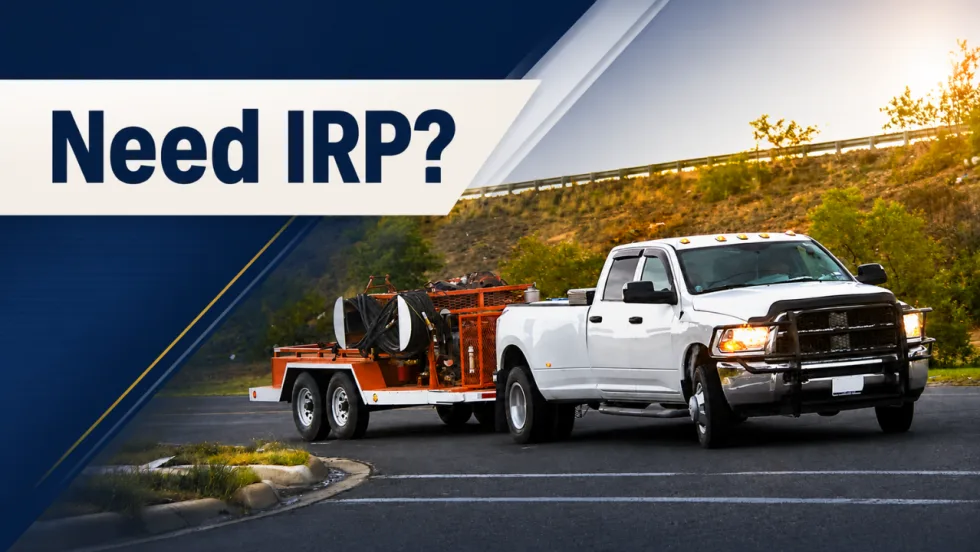
When Work Trucks Under 26,001 Pounds Need IRP Registration
Think trucks under 26,001 pounds are automatically in the clear when it comes to IRP? Not always. Learn where lighter vehicles can still run into trip permit, apportioned registration, and IFTA compliance requirements when crossing state or provincial lines.
Read More →
Volvo Trucks Releases New Safety Recommendations for Traveling with Pets
One of the most important recommendations for professional drivers traveling with pets is to ensure pets are properly restrained while the truck is moving. Other tips are available in the new guide from Volvo Trucks North America and Center for Pet Safety.
Read More →
API Issues Refueling Safety Guidelines
The American Petroleum Institute offers a list of safe vehicle refueling guidelines, including ways to avoid potential problems with static electricity discharges in fall, winter, and early spring.
Read More →


Winter Fleet Prep: Expert Tips to Keep Vehicles Running Smoothly
Cold weather can expose weak batteries, tires, fuel systems, and maintenance gaps fast. Use this winter fleet checklist to prepare trucks and drivers before temperatures drop.
Read More →
When a Work Truck Breaks Down, the Job Can Stop, Too
A work truck breakdown can stop more than the vehicle. Discover how payloads, jobsites, and specialty equipment change the roadside response.
Read More →
What Stronger Long-Term Fleet Service Partnerships Actually Require
Fleet service partnerships rarely fall apart all at once. Learn the three warning signs that trust is eroding and what fleets and providers can do before downtime, frustration, and lost revenue follow.
Read More →
Applause & TRUCE Software Partner to Improve Driver Safety Through AI-Powered Telematics & Employee Performance Management
Applause has integrated TRUCE driving metrics directly into its employee-first performance and safety platform that transforms mobile devices into AI-powered telematics.
Read More →
How Detroit Assurance with Active Brake Assist Works
Do you want to see what it is like to experience Detroit Assurance’s Active Brake Assist? In this video, Work Truck will put you in the cab to see how it all works and then hear more details from DTNA’s Mike Young.
Read More →
Get Left of Loss: A 5-Step Workplace Violence Prevention Framework for Fleet Operators
Violence risks do not stop at the driver’s door. Learn five practical steps fleets can take to spot threats early and protect workers before loss occurs.
Read More →
How Better Visibility Cut Speeding Violations by 48%
Fleet leaders don't need more data, they need clearer visibility into what the data is saying. This case study explores how one utility replaced speeding-event counts with a single metric — miles driven in violation — to strengthen safety and significantly reduce speeding violations.
Read More →