




Download Safe Driving Tool Kit For Free This Week
As part of the Drive Safely Work Week campaign, you can download a free took kit, which has facts on distracted driving, interactive quizzes and tools, daily activities and communication messages and downloadable posters for the office.
The annual Drive Safely Work Week campaign, sponsored by the Network of Employers for Traffic Safety (NETS) and supported by NAFA Fleet Management Association, is offering employers tool kits for free this year. The materials, which aim to reduce distracted driving on the roads with the message "Focus... Safe Driving Is Serious Business," may be downloaded at www.trafficsafety.org.
This year's campaign focuses on the role cell phones play in distracted driving. The use of cell phones or text messaging while driving significantly increases a driver's risk of being involved in an accident.
The Drive Safely Work Week campaign tool kit offer tips on how to prepare an organization for the launch of a new cell phone policy or reinforce an existing policy and how to build awareness on the issues related to distracted driving while developing strategies to minimize the danger. The tool kit includes facts on distracted driving, interactive quizzes and tools, daily activities and communication messages, and downloadable posters for the office.
"This is a very sensible and practical way to reinforce a cell phone policy or even put in place a cell phone policy that makes sense," said Jack Hanley, executive director of NETS. "We made the decision not to charge for the kits. It's nice to be able to offer something that is promoted well, is a good product, and available for free."
Each year, cell phone distractions cause 600,000 crashes, 330,000 injuries, and 3,000 deaths according to the U.S. Department of Transportation. This year's Drive Safely Work Week (October 4-8) contains a push for businesses to set up corporate cell phone policies to restrict or ban the use of phones while driving. The campaign encourages businesses to dedicate time to emphasize safe driving messages through facts, communications, and meaningful activities. It also points out several methods - including the use of call blocking technology and encouraging employees to commute via mass transit - that can help businesses reduce distracted driving.
"Businesses across the United States are recognizing the impact of this problem on their employees and are beginning to adopt anti-distracted driving policies," said United States Transportation Secretary Ray LaHood. "The materials in this kit are designed to help advance your company's efforts against distracted driving."
According to NAFA Executive Director Phillip E. Russo, CAE, "Safe driving is essential to the fleet managers who belong to NAFA, a group that collectively manages several million vehicles travelling on North American roads each day. NAFA has lent its support to the annual campaign for the past several years through a series of articles in the Association's print and online publications, press releases, and email blasts to the membership."
NETS, which has sponsored Drive Safely Work Week since 1996, is dedicated to improving the health and safety of employees, their families, and the community by preventing traffic crashes that occur both on- and off-the-job.
More Small Fleet


Developing Budget-Friendly Driver Safety Programs
From driver training and safety meetings to one-on-one coaching and incentive programs, several small fleets share how they have developed a safety culture with their drivers using low- to no-cost resources.
Read More →
Boosting Last-Mile Fleet Uptime, Safety, and Value with AI Vehicle Inspections
AI-powered inspections are transforming last-mile fleets by replacing manual checks with highly accurate automated scans that detect defects in seconds. By giving fleet operations visibility into the daily condition of their vehicles, you can identify trends over the vehicle’s lifecycle that enable improved procurement decisions, route management, driver training and accountability.
Read More →

Five Ways Seat Belts Help Prevent Injuries
There are five ways seat belts protect occupants from injuries, according to the Tennessee Department of Safety and Homeland Security.
Read More →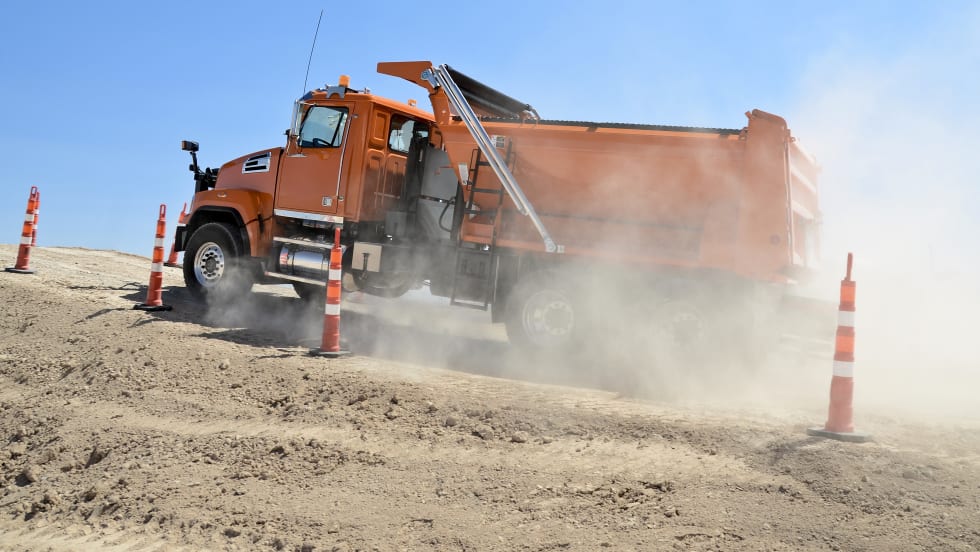
Basic Tracking vs Next Generation Fleet Technology
Fleet software is getting more sophisticated and effective than ever, tying big data models together to transform maintenance, safety, and the value of your existing tech stack. Fleet technology upgrades are undoubtedly an investment, but updated technology can offer a much higher return. Read how upgrading your fleet technology can increase the return on your investment.
Read More →
It’s here: The 2026 Fleet Technology Trends Report
What does AI mean for fleets? Get the answer — and learn other top tech trends.
Read More →
Small Fleets, Big Impact: How Independent Drivers Power Wreaths Across America
Check out how small fleets and independent drivers power Wreaths Across America each December and why their impact matters more than ever.
Read More →
VMS Survey Finds 65% of Small Fleet Managers Run Operations Alone
A new VMS survey shows small fleet managers are stretched thin, with most handling operations solo and eager to adopt digital tools for relief.
Read More →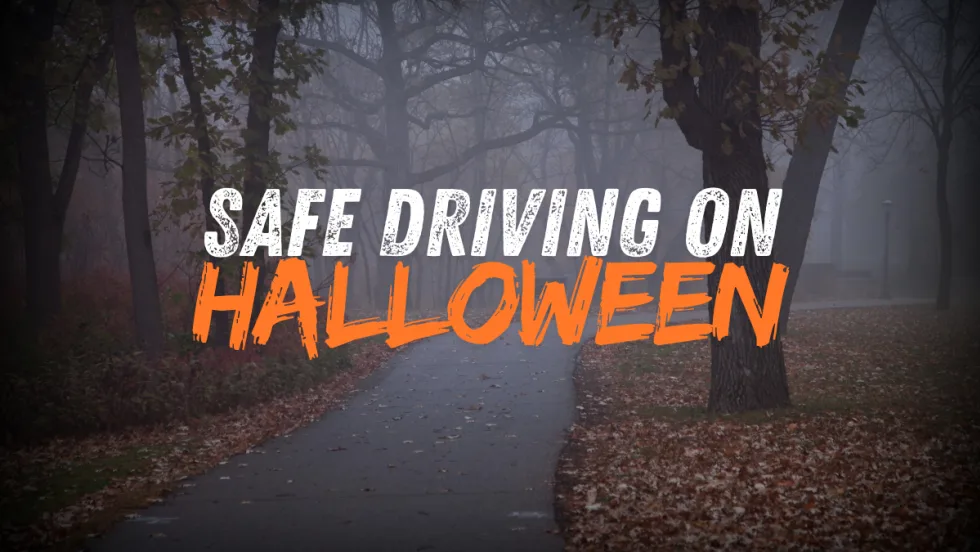
Tips for Driving Safely on Halloween Night
This video features a reminder from the Connecticut Department of Transportation (DOT) and the Connecticut Police Chiefs Association, urging drivers to prioritize safety this Halloween.
Read More →
AI, Access, and Uptime: VMS’s Next Chapter with David Prusinski
VMS’s new Co-CEO, David Prusinski, shares how an AI-first approach will give small fleets and repair shops the tools to compete like big players.
Read More →