




Distracted Driving Legislation Introduced Would Create a Federal Standard
WASHINGTON - Called the Safe Drivers Act of 2011, this bill would direct the Secretary of Transportation to establish minimum regulations that ban use of mobile handheld devices on a public road.
WASHINGTON – Congresswoman Carolyn McCarthy (D-NY4) has proposed federal legislation that would create a single national standard that prohibits the use of a handheld mobile device, such as a cell phone, while driving.
Called the Safe Drivers Act of 2011, it would direct the Secretary of Transportation to establish minimum regulations that ban use of mobile handheld devices on a public road. This would apply whether the driver is operating a moving vehicle or idling it. Exclusions to this rule would include voice-operated devices integrated into the vehicle and voice-operated GPS systems. The penalty for a state failing to comply with the Department of Transportation's minimum standards within two years of the bill’s enactment would result in a 25-percent withholding of that state’s federal highway transportation funding.
The bill would also require the DOT to conduct a study on distracted driving with a focus on “cognitive distraction” and its effect on young or inexperienced drivers. The DOT must report the findings to the U.S. Congress within two years and come up with suggestions for revising the minimum set of distracted driving standards and penalties that all states must comply with.
Currently, only eight states prohibit all drivers from using handheld cell phones while driving. These states include California, Connecticut, Delaware, Maryland, New Jersey, New York, Oregon, and Washington.
Thirteen states have no laws that address voice calls made with a handheld device. They include Alaska, Florida, Hawaii, Idaho, Missouri, Montana, Nevada, Ohio, Pennsylvania, South Carolina, South Dakota, Wisconsin, and Wyoming.
Ten states have no laws that address the issue of texting while driving. Those states include Arizona, Florida, Hawaii, Idaho, Montana, Nevada, Ohio, Pennsylvania, South Carolina, and South Dakota.
Eight states have no laws limiting the use of cell phones for calling or texting while driving. They include Florida, Idaho, Montana, Nevada, Ohio, Pennsylvania, South Carolina, and South Dakota.
Source: carolynmccarthy.house.gov
Originally posted on Automotive Fleet
More Small Fleet

Tips for Driving Safely on Halloween Night
This video features a reminder from the Connecticut Department of Transportation (DOT) and the Connecticut Police Chiefs Association, urging drivers to prioritize safety this Halloween.
Read More →
Simple Tire Checks That Help Keep Your Business Fleet Moving
A survey found that nearly one in every 10 passenger vehicles has at least one bald tire. What's more, 27% -- more than one in four -- of vehicles are driven with one or more severely under-inflated tires.
Read More →
Developing Budget-Friendly Driver Safety Programs
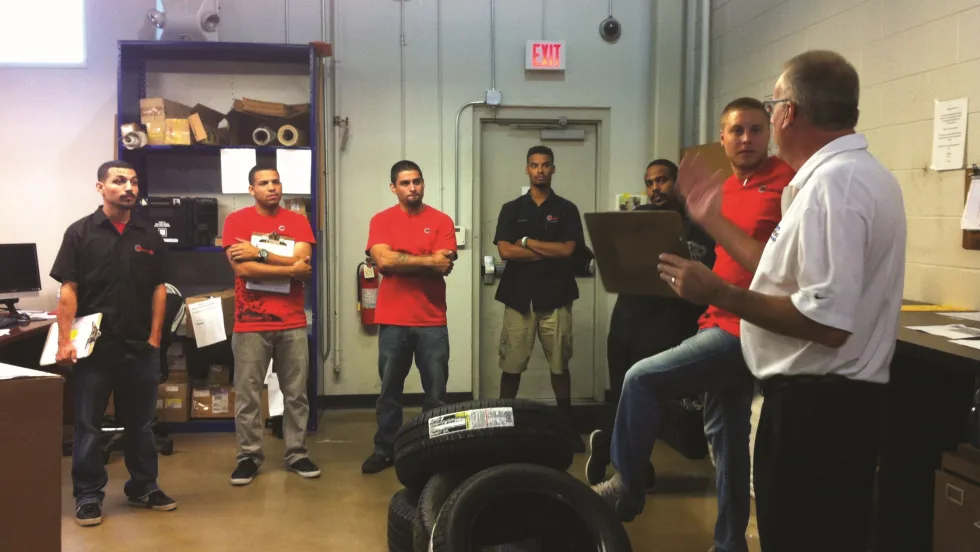
From driver training and safety meetings to one-on-one coaching and incentive programs, several small fleets share how they have developed a safety culture with their drivers using low- to no-cost resources.
Read More →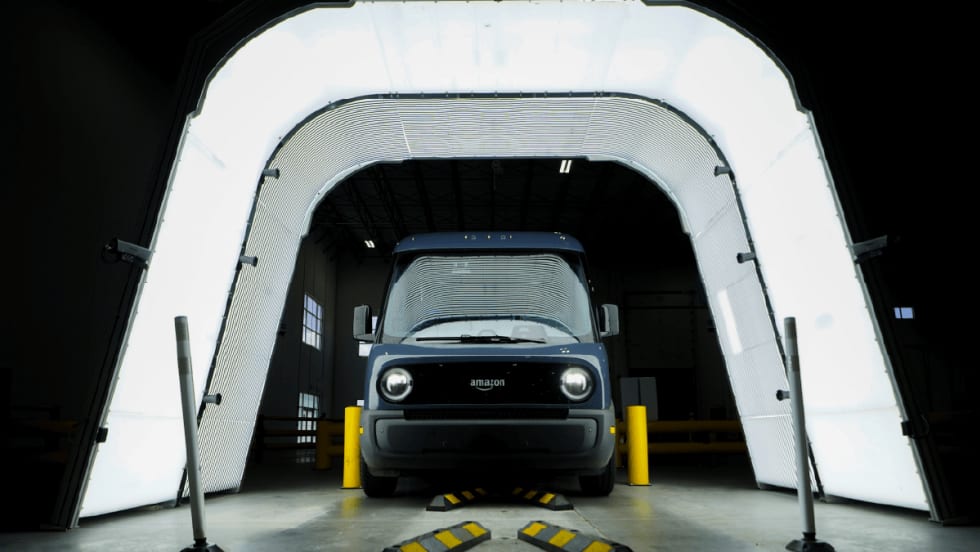
Boosting Last-Mile Fleet Uptime, Safety, and Value with AI Vehicle Inspections
AI-powered inspections are transforming last-mile fleets by replacing manual checks with highly accurate automated scans that detect defects in seconds. By giving fleet operations visibility into the daily condition of their vehicles, you can identify trends over the vehicle’s lifecycle that enable improved procurement decisions, route management, driver training and accountability.
Read More →
Five Ways Seat Belts Help Prevent Injuries
There are five ways seat belts protect occupants from injuries, according to the Tennessee Department of Safety and Homeland Security.
Read More →
Basic Tracking vs Next Generation Fleet Technology
Fleet software is getting more sophisticated and effective than ever, tying big data models together to transform maintenance, safety, and the value of your existing tech stack. Fleet technology upgrades are undoubtedly an investment, but updated technology can offer a much higher return. Read how upgrading your fleet technology can increase the return on your investment.
Read More →
It’s here: The 2026 Fleet Technology Trends Report
What does AI mean for fleets? Get the answer — and learn other top tech trends.
Read More →
Small Fleets, Big Impact: How Independent Drivers Power Wreaths Across America
Check out how small fleets and independent drivers power Wreaths Across America each December and why their impact matters more than ever.
Read More →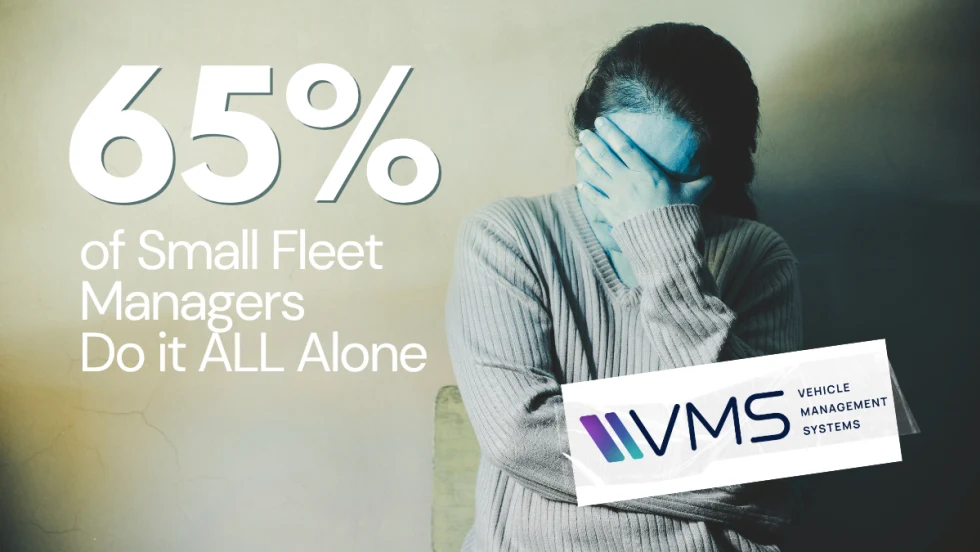
VMS Survey Finds 65% of Small Fleet Managers Run Operations Alone
A new VMS survey shows small fleet managers are stretched thin, with most handling operations solo and eager to adopt digital tools for relief.
Read More →