




Design Changes Help Reduce Deaths in Vehicles Struck by SUVs, Pickups
Fifteen automakers, representing nearly all of the U.S. market, voluntarily agreed in 2003 to improve compatibility between vehicles by September 2009.
An Insurance Institute for Highway Safety (IIHS) study found that the number of deaths of drivers in cars caught in side-impact crashes with SUVs dropped nearly 50 percent when automakers lowered the height of SUVs or added impact-absorbing bars below the front bumpers, according to an Associated Press report. The study, found the greatest benefit in design changes when a SUV strikes the side of a car. In such a case, the risk of a fatality dropped by 47 percent to 48 percent. For side crashes involving pickups and cars, the death rate dropped by 1 percent to 9 percent. In front-end collisions involving SUVs and cars, researchers found car drivers wearing seat belts were 18 percent to 21 percent less likely to die with SUVs meeting the guidelines. For car drivers failing to wear a seat belt, the risk was only reduced by 2 percent to 3 percent, showing the benefit of wearing safety belts. Fifteen automakers, representing nearly all of the U.S market, voluntarily agreed in 2003 to improve the compatibility between vehicles by September 2009 amid concerns that SUVs or pickups dangerously ride up atop cars in crashes and threaten passenger compartments. The changes involved redesigning the front-end of SUVs and pickups to better match up with the bumpers of passenger cars, and improving head protection by installing side air bags. When a redesigned pickup struck a car in a head-on collision, the number of deaths of belted car drivers declined 9 percent to 19 percent. For unbelted car drivers hit by pickups without the changes in a head-on crash, the death rate was about the same. The study, which examined car driver death rates from 2001 to 2004 involving 2000-2003 models of SUVs and pickups, was the first to examine death rates in cars involved in crashes with SUVs and pickups that comply with the agreement versus vehicles that do not yet meet the guidelines. About six in 10 new models of SUVs and pickups now have the design changes and experts expect it to take several years before older vehicles that lack the design are no longer abundant on the road.
More Small Fleet

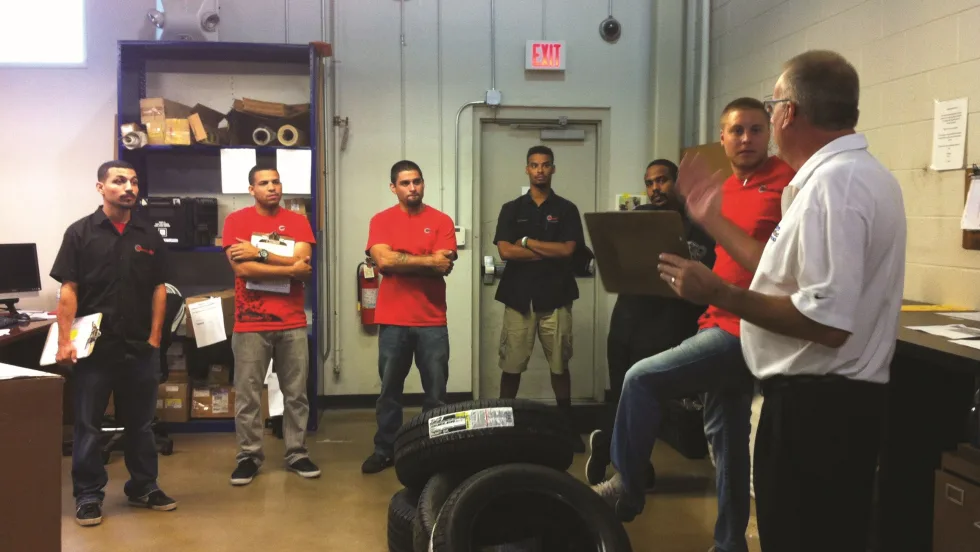
Developing Budget-Friendly Driver Safety Programs
From driver training and safety meetings to one-on-one coaching and incentive programs, several small fleets share how they have developed a safety culture with their drivers using low- to no-cost resources.
Read More →
Boosting Last-Mile Fleet Uptime, Safety, and Value with AI Vehicle Inspections
AI-powered inspections are transforming last-mile fleets by replacing manual checks with highly accurate automated scans that detect defects in seconds. By giving fleet operations visibility into the daily condition of their vehicles, you can identify trends over the vehicle’s lifecycle that enable improved procurement decisions, route management, driver training and accountability.
Read More →
Five Ways Seat Belts Help Prevent Injuries
There are five ways seat belts protect occupants from injuries, according to the Tennessee Department of Safety and Homeland Security.
Read More →
It’s here: The 2026 Fleet Technology Trends Report
What does AI mean for fleets? Get the answer — and learn other top tech trends.
Read More →
Small Fleets, Big Impact: How Independent Drivers Power Wreaths Across America
Check out how small fleets and independent drivers power Wreaths Across America each December and why their impact matters more than ever.
Read More →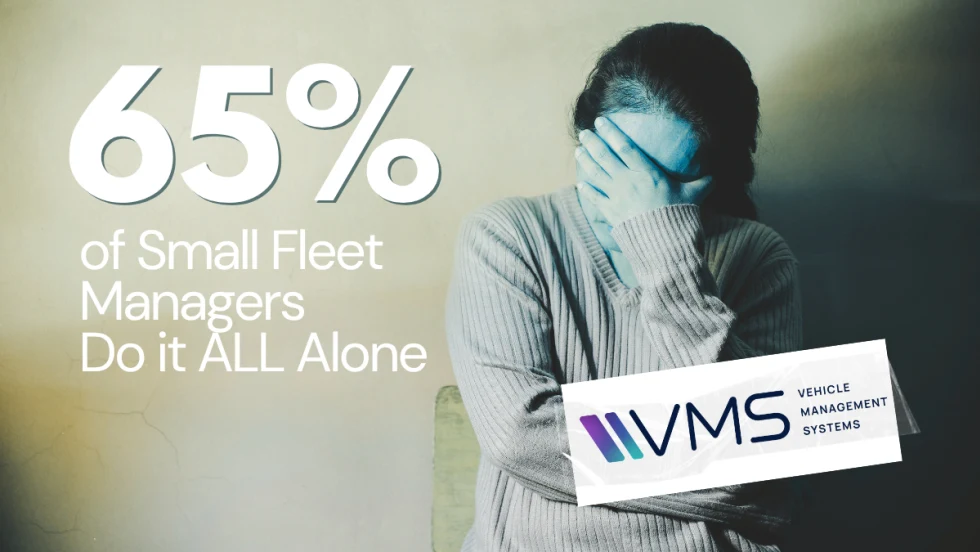
VMS Survey Finds 65% of Small Fleet Managers Run Operations Alone
A new VMS survey shows small fleet managers are stretched thin, with most handling operations solo and eager to adopt digital tools for relief.
Read More →
Tips for Driving Safely on Halloween Night
This video features a reminder from the Connecticut Department of Transportation (DOT) and the Connecticut Police Chiefs Association, urging drivers to prioritize safety this Halloween.
Read More →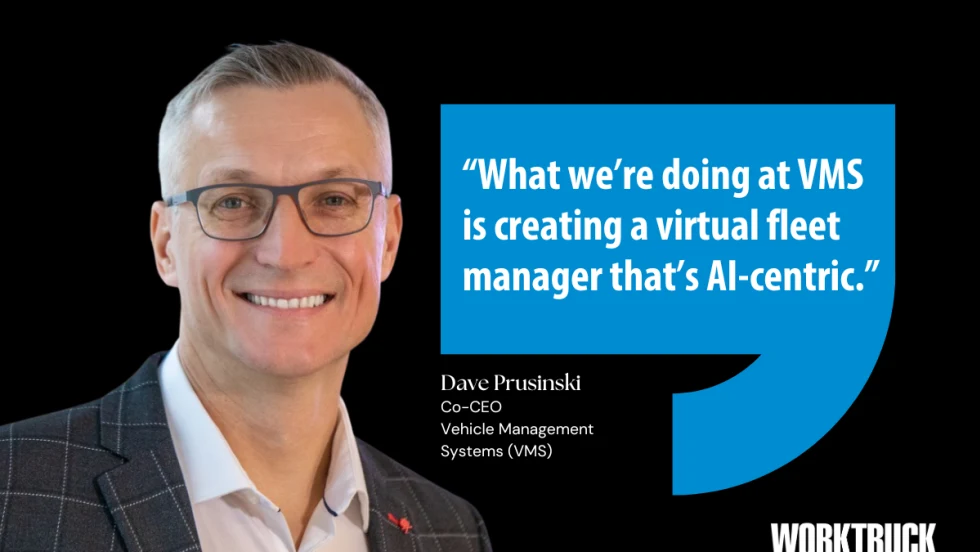
AI, Access, and Uptime: VMS’s Next Chapter with David Prusinski
VMS’s new Co-CEO, David Prusinski, shares how an AI-first approach will give small fleets and repair shops the tools to compete like big players.
Read More →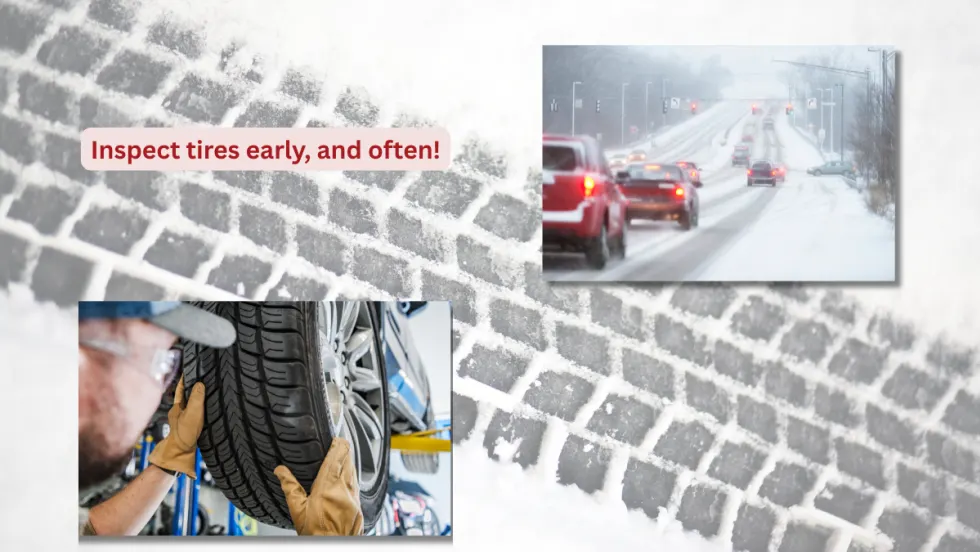
Fleet Managers Share Winter Prep Tips: It's Never Too Early!
Three fleets share best practices to prep vehicles for winter and prevent downtime when the cold sets in.
Read More →