




Demand For Diesel Growing
By 2015, 20 percent of vehicles sold in the United States could be diesel powered, said Kevin DeHart, senior vice president of diesel systems for Robert Bosch Corp. J.D. Power and Associates predicts that diesel’s share of light-vehicle sales will reach 15% by 2014 from its current share of 3.9%. Here’s why diesel is in demand: diesel offers more torque and uses thirty percent less fuel than gasoline. Diesels emit twenty-five percent less carbon dioxide than gasoline engines. Europeans are quite aware of this fact, since forty-three percent of the vehicles sold in Europe are diesel. More surprisingly, sixty-seven percent of company cars registered in the United Kingdom are now diesels, up from forty-nine percent two years ago. In many European markets, vehicles with diesel-powered engines outsell those with gasoline-powered engines. The Chrysler group announced recently that 14,000 consumers expressed interest in the 2005 diesel-powered Jeep Liberty going on sale in early 2005. That interest level is nearly three times greater than the automaker expected, DeHart said. Mercedes-Benz and Volkswagen have developed diesels for the United States. Bosch provides fuel system parts for the Mercedes and Jeep diesel models in the United States and for diesel-powered vehicles in Europe.
More Small Fleet

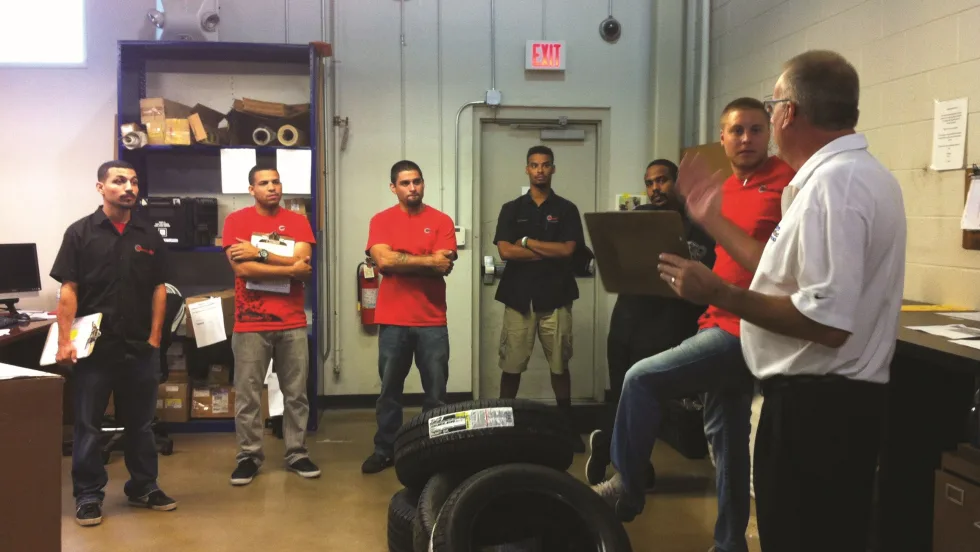
Developing Budget-Friendly Driver Safety Programs
From driver training and safety meetings to one-on-one coaching and incentive programs, several small fleets share how they have developed a safety culture with their drivers using low- to no-cost resources.
Read More →
Boosting Last-Mile Fleet Uptime, Safety, and Value with AI Vehicle Inspections
AI-powered inspections are transforming last-mile fleets by replacing manual checks with highly accurate automated scans that detect defects in seconds. By giving fleet operations visibility into the daily condition of their vehicles, you can identify trends over the vehicle’s lifecycle that enable improved procurement decisions, route management, driver training and accountability.
Read More →

Five Ways Seat Belts Help Prevent Injuries
There are five ways seat belts protect occupants from injuries, according to the Tennessee Department of Safety and Homeland Security.
Read More →
Basic Tracking vs Next Generation Fleet Technology
Fleet software is getting more sophisticated and effective than ever, tying big data models together to transform maintenance, safety, and the value of your existing tech stack. Fleet technology upgrades are undoubtedly an investment, but updated technology can offer a much higher return. Read how upgrading your fleet technology can increase the return on your investment.
Read More →
It’s here: The 2026 Fleet Technology Trends Report
What does AI mean for fleets? Get the answer — and learn other top tech trends.
Read More →
Small Fleets, Big Impact: How Independent Drivers Power Wreaths Across America
Check out how small fleets and independent drivers power Wreaths Across America each December and why their impact matters more than ever.
Read More →
VMS Survey Finds 65% of Small Fleet Managers Run Operations Alone
A new VMS survey shows small fleet managers are stretched thin, with most handling operations solo and eager to adopt digital tools for relief.
Read More →
Tips for Driving Safely on Halloween Night
This video features a reminder from the Connecticut Department of Transportation (DOT) and the Connecticut Police Chiefs Association, urging drivers to prioritize safety this Halloween.
Read More →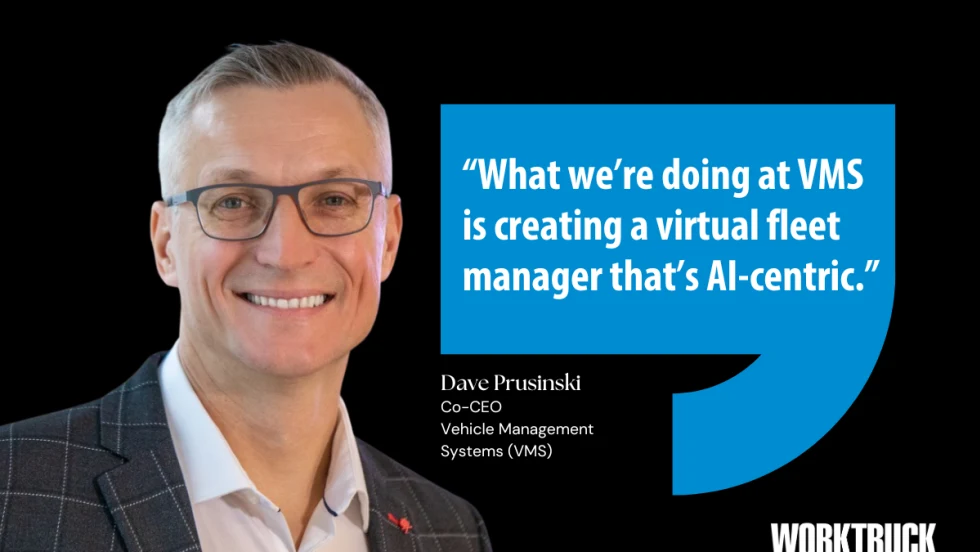
AI, Access, and Uptime: VMS’s Next Chapter with David Prusinski
VMS’s new Co-CEO, David Prusinski, shares how an AI-first approach will give small fleets and repair shops the tools to compete like big players.
Read More →