




Deer Season Creates Hazardous Driving Conditions
The Insurance Institute for Highway Safety estimates that there are over 1.5 million deer-vehicle collisions each year, resulting in 150 occupant deaths and over $1 billion in vehicle damage.
During deer season, which generally runs from October through December, there is a dramatic increase in the movement of the deer population. More deer-vehicle collisions occur in this period than at any other time of year, so drivers need to be especially cautious, warned the Insurance Information Institute (I.I.I.). The average cost per insurance claim for collision damage is about $2,600, with costs varying depending on the type of vehicle and severity of damage. When you factor in auto claims involving bodily injury, the average rises to over $11,000, according to the I.I.I. The following facts can be helpful in avoiding deer-related collisions:
Deer aren't just found on rural roads near wooded areas, many deer crashes occur on busy highways near cities.
Deer are unpredictable, especially when faced with glaring headlights, blowing horns and fast-moving vehicles. They often dart into traffic.
Deer often move in groups. If you see one, there are likely more in the vicinity. When driving, the I.I.I. recommends taking the following precautions:
Drive with caution when moving through deer-crossing zones, in areas known to have a large deer population and in areas where roads divide agricultural fields from forestland.
Always wear your seat belt and stay awake, alert and sober.
When driving at night, use high beam headlights when there is no oncoming traffic. The high beams will better illuminate the eyes of deer on or near the roadway.
Be especially attentive from sunset to midnight and during the hours shortly before and after sunrise. These are the highest risk times for deer-vehicle collisions.
Brake firmly when you notice a deer in or near your path, but stay in your lane. Many serious crashes occur when drivers swerve to avoid a deer and hit another vehicle or lose control of their cars.
Do not rely on devices such as deer whistles, deer fences and reflectors to deter deer. These devices have not proven effective. In the event your vehicle strikes a deer, try to avoid going near or touching the animal. A frightened and wounded deer can hurt you or further injure itself, warned the I.I.I. If the deer is blocking the roadway and poses a danger to other motorists, you should call the police immediately. Contact your insurance company as quickly as possible to report any damage to your car. Collision with a deer or other animals is covered under the comprehensive portion of your automobile policy. For more information about insurance, go to the I.I.I. Web site at http://www.iii.org.
More Small Fleet


Developing Budget-Friendly Driver Safety Programs
From driver training and safety meetings to one-on-one coaching and incentive programs, several small fleets share how they have developed a safety culture with their drivers using low- to no-cost resources.
Read More →
Boosting Last-Mile Fleet Uptime, Safety, and Value with AI Vehicle Inspections
AI-powered inspections are transforming last-mile fleets by replacing manual checks with highly accurate automated scans that detect defects in seconds. By giving fleet operations visibility into the daily condition of their vehicles, you can identify trends over the vehicle’s lifecycle that enable improved procurement decisions, route management, driver training and accountability.
Read More →

Five Ways Seat Belts Help Prevent Injuries
There are five ways seat belts protect occupants from injuries, according to the Tennessee Department of Safety and Homeland Security.
Read More →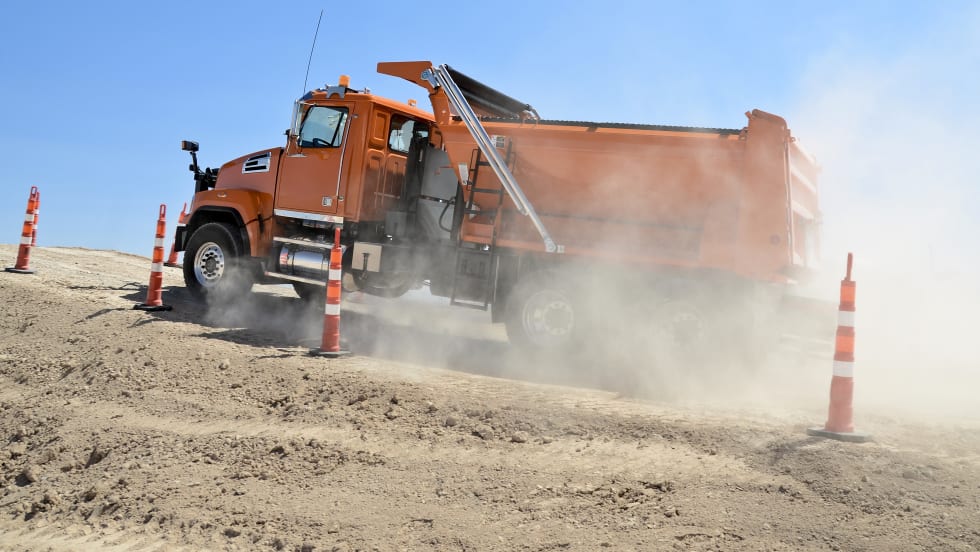
Basic Tracking vs Next Generation Fleet Technology
Fleet software is getting more sophisticated and effective than ever, tying big data models together to transform maintenance, safety, and the value of your existing tech stack. Fleet technology upgrades are undoubtedly an investment, but updated technology can offer a much higher return. Read how upgrading your fleet technology can increase the return on your investment.
Read More →
It’s here: The 2026 Fleet Technology Trends Report
What does AI mean for fleets? Get the answer — and learn other top tech trends.
Read More →
Small Fleets, Big Impact: How Independent Drivers Power Wreaths Across America
Check out how small fleets and independent drivers power Wreaths Across America each December and why their impact matters more than ever.
Read More →
VMS Survey Finds 65% of Small Fleet Managers Run Operations Alone
A new VMS survey shows small fleet managers are stretched thin, with most handling operations solo and eager to adopt digital tools for relief.
Read More →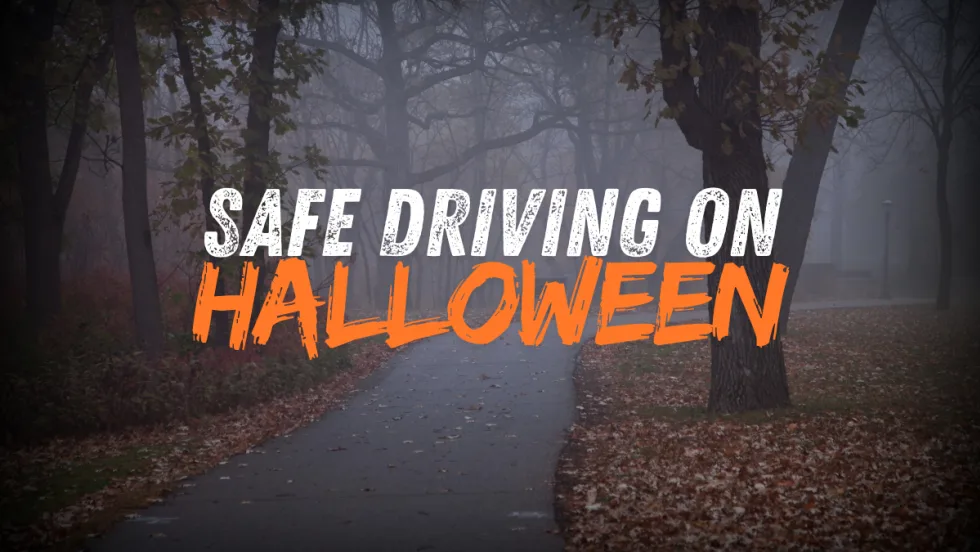
Tips for Driving Safely on Halloween Night
This video features a reminder from the Connecticut Department of Transportation (DOT) and the Connecticut Police Chiefs Association, urging drivers to prioritize safety this Halloween.
Read More →
AI, Access, and Uptime: VMS’s Next Chapter with David Prusinski
VMS’s new Co-CEO, David Prusinski, shares how an AI-first approach will give small fleets and repair shops the tools to compete like big players.
Read More →