




Daylight Saving Time May Bring More Drowsy Drivers
Daylight saving time came to an end on Nov. 4 and for many fleet drivers that means more time each day driving in the dark. Less hours of sunlight can lead to fatigue behind the wheel during the fall and winter months.
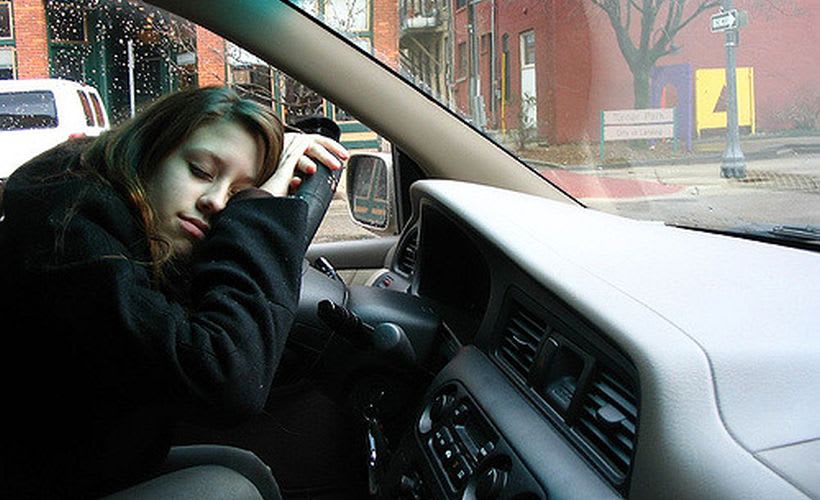
The end of daylight saving time can also bring increased risk of drowsy fleet drivers.
Photo via Kate Sumbler/Flickr.
Daylight saving time came to an end on Nov. 4 and for many fleet drivers that means more time each day driving in the dark. Less hours of sunlight can lead to fatigue behind the wheel during the fall and winter months.
Several organizations from state motor vehicle departments to insurance companies are using this time to caution motorists about the dangers of drowsy driving. Now is a good time for fleet managers to remind commercial drivers about the perils and the precautions they should take.
Drowsy driving remains a serious problem. An estimated 5,000 people lost their lives in crashes that involved a drowsy driver in 2015, according to a report from the Governors Highway Safety Association.
What can fleet managers do? For starters, drivers should be encouraged to get enough sleep. The National Institutes of Health recommends eight hours every night.
The 2018 Sleep in America poll from the National Sleep Foundation shows that only 10% of American adults prioritize their sleep over other aspects of daily living such as fitness/nutrition, work, social life, and hobbies/personal interests.
The National Safety Council likens drowsy driving to driving under the influence of alcohol. Drivers should be reminded that when they are fatigued their reaction time, awareness of hazards and ability to sustain attention all worsen.
In fact, a drowsy driver is three times more likely to get into a crash than an alcohol-impaired driver.
A study by the AAA Foundation for Traffic Safety estimated that 328,000 drowsy driving collisions occur annually. That's more than three times the police-reported number. The same study found that 109,000 of those drowsy driving crashes resulted in an injury and about 6,400 were fatal.
The researchers suggest the prevalence of drowsy driving fatalities is more than 350% greater than reported.
In addition to getting enough sleep, drivers should be reminded to take the following steps in order to avoid fatigue behind the wheel:
Be alert to warning signs: Yawning, struggling to keep one's eyes open and focused; forgetting the last few miles; tailgating or missing traffic signals; and swerving or drifting between lanes of traffic are all signs of fatigue. If a driver has any of these, he or she should pull over and take a walk or a brief 20-minute nap.
Check medications: Drivers should make sure that both their prescriptions and over-the-counter medications do not cause drowsiness.
Take regular breaks: Even when a driver does not think he or she is fatigued, experts recommend taking a break about every 100 miles or two hours.
Get checked for sleep disorders: Drivers who are continually fatigued, should ask their doctors to test them for sleep disorders such as obstructive sleep apnea.
Originally posted on Automotive Fleet
More Small Fleet


Developing Budget-Friendly Driver Safety Programs
From driver training and safety meetings to one-on-one coaching and incentive programs, several small fleets share how they have developed a safety culture with their drivers using low- to no-cost resources.
Read More →
Boosting Last-Mile Fleet Uptime, Safety, and Value with AI Vehicle Inspections
AI-powered inspections are transforming last-mile fleets by replacing manual checks with highly accurate automated scans that detect defects in seconds. By giving fleet operations visibility into the daily condition of their vehicles, you can identify trends over the vehicle’s lifecycle that enable improved procurement decisions, route management, driver training and accountability.
Read More →
Five Ways Seat Belts Help Prevent Injuries
There are five ways seat belts protect occupants from injuries, according to the Tennessee Department of Safety and Homeland Security.
Read More →
It’s here: The 2026 Fleet Technology Trends Report
What does AI mean for fleets? Get the answer — and learn other top tech trends.
Read More →
Small Fleets, Big Impact: How Independent Drivers Power Wreaths Across America
Check out how small fleets and independent drivers power Wreaths Across America each December and why their impact matters more than ever.
Read More →
VMS Survey Finds 65% of Small Fleet Managers Run Operations Alone
A new VMS survey shows small fleet managers are stretched thin, with most handling operations solo and eager to adopt digital tools for relief.
Read More →
Tips for Driving Safely on Halloween Night
This video features a reminder from the Connecticut Department of Transportation (DOT) and the Connecticut Police Chiefs Association, urging drivers to prioritize safety this Halloween.
Read More →
AI, Access, and Uptime: VMS’s Next Chapter with David Prusinski
VMS’s new Co-CEO, David Prusinski, shares how an AI-first approach will give small fleets and repair shops the tools to compete like big players.
Read More →
Fleet Managers Share Winter Prep Tips: It's Never Too Early!
Three fleets share best practices to prep vehicles for winter and prevent downtime when the cold sets in.
Read More →