




DaimlerChrysler Celebrates 10th Anniversary of Mercedes-Benz U.S. International in Tuscaloosa
Exactly 10 years ago, DaimlerChrysler announced its decision to build the first Mercedes-Benz passenger car factory outside Germany, in Tuscaloosa, Ala. At a special anniversary event using the theme “We’re still making history,” that announcement is being celebrated today at Mercedes-Benz U.S. International, Inc. (MBUSI) in Tuscaloosa, where the plant has been producing the Mercedes-Benz M-Class since 1997. “In Tuscaloosa we have impressively shown that we can produce a new production series with a new workforce in a new factory, and we have also demonstrated that it is possible to have vehicles successfully ‘Made by Mercedes’ outside of Germany,” says Professor Jürgen Hubbert, DaimlerChrysler Board of Management member responsible for the Mercedes Car Group. “With the M-Class, we broke new ground for the Mercedes-Benz brand and successfully established a premium-class vehicle in the sport utility vehicle segment. The M-Class made a substantial contribution to the sales success of the Mercedes-Benz brand during the first product offensive.” $600 Million Being Invested in Plant Expansion At the moment, MBUSI is investing about $600 million in the expansion of the plant as it prepares to produce the Grand Sports Tourer (GST) and the successor model to the Mercedes-Benz M-Class. Ten years after the decision in favor of the Tuscaloosa production site, the company is doubling its workforce to approximately 4,000 employees and its yearly production capacity to 160,000 vehicles. “The plant expansion and the addition of another production series give the Tuscaloosa site a more prominent place within the global Mercedes-Benz production network,” Hubbert said. “The key reasons for MBUSI’s success are the excellent partnership between the state of Alabama and our company and, of course, our employees’ dedication and team spirit.” Since its market launch, more than 500,000 Mercedes-Benz M-Class vehicles have been sold in 135 countries around the world. Demand for the M-Class surpassed all expectations from its start, and the plant’s annual production capacity of approximately 65,000 vehicles already proved to be insufficient during the first year. In addition to an initial investment of about $300 million, DaimlerChrysler spent about $80 million in 1998 and 1999 to expand the plant’s capacity to approximately 80,000 vehicles a year. From 1999 to 2002, the M-Class was also produced at Magna Steyr in Graz, Austria. About 25,000 M-Class vehicles have rolled off the assembly line in Graz each year for the European market.
More Small Fleet

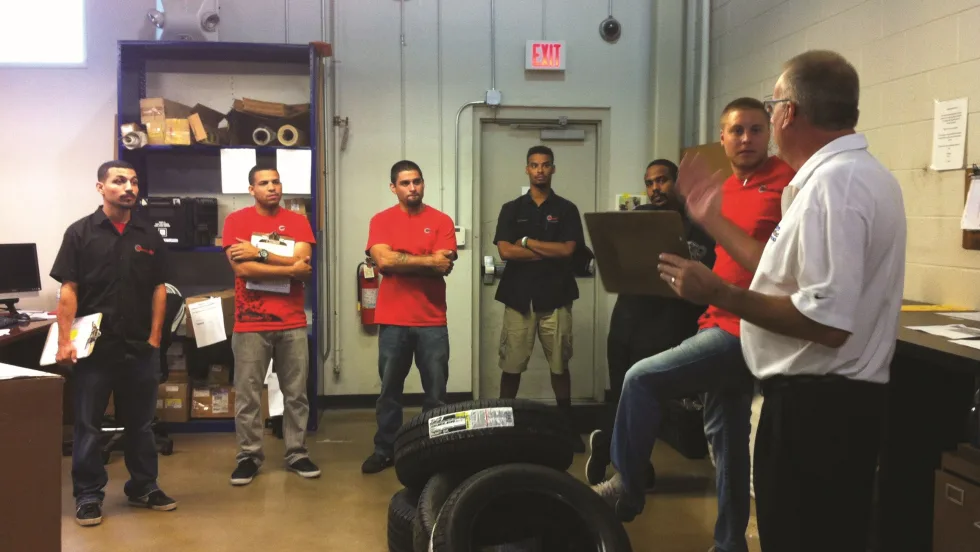
Developing Budget-Friendly Driver Safety Programs
From driver training and safety meetings to one-on-one coaching and incentive programs, several small fleets share how they have developed a safety culture with their drivers using low- to no-cost resources.
Read More →
Boosting Last-Mile Fleet Uptime, Safety, and Value with AI Vehicle Inspections
AI-powered inspections are transforming last-mile fleets by replacing manual checks with highly accurate automated scans that detect defects in seconds. By giving fleet operations visibility into the daily condition of their vehicles, you can identify trends over the vehicle’s lifecycle that enable improved procurement decisions, route management, driver training and accountability.
Read More →

Five Ways Seat Belts Help Prevent Injuries
There are five ways seat belts protect occupants from injuries, according to the Tennessee Department of Safety and Homeland Security.
Read More →
Basic Tracking vs Next Generation Fleet Technology
Fleet software is getting more sophisticated and effective than ever, tying big data models together to transform maintenance, safety, and the value of your existing tech stack. Fleet technology upgrades are undoubtedly an investment, but updated technology can offer a much higher return. Read how upgrading your fleet technology can increase the return on your investment.
Read More →
It’s here: The 2026 Fleet Technology Trends Report
What does AI mean for fleets? Get the answer — and learn other top tech trends.
Read More →
Small Fleets, Big Impact: How Independent Drivers Power Wreaths Across America
Check out how small fleets and independent drivers power Wreaths Across America each December and why their impact matters more than ever.
Read More →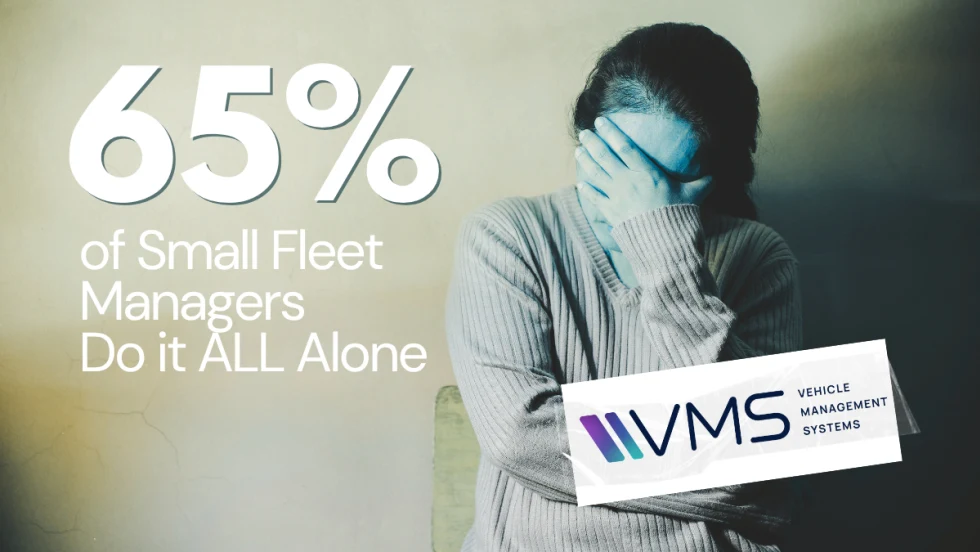
VMS Survey Finds 65% of Small Fleet Managers Run Operations Alone
A new VMS survey shows small fleet managers are stretched thin, with most handling operations solo and eager to adopt digital tools for relief.
Read More →
Tips for Driving Safely on Halloween Night
This video features a reminder from the Connecticut Department of Transportation (DOT) and the Connecticut Police Chiefs Association, urging drivers to prioritize safety this Halloween.
Read More →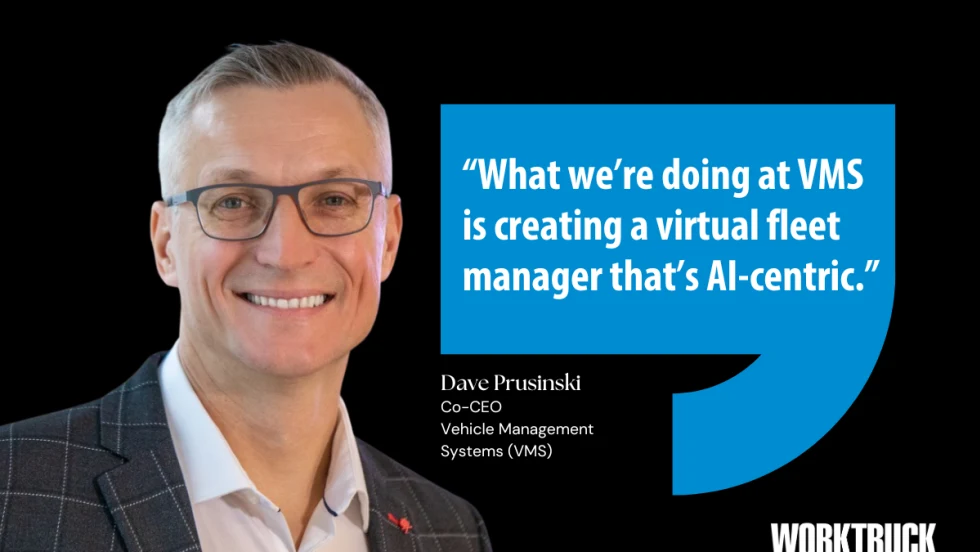
AI, Access, and Uptime: VMS’s Next Chapter with David Prusinski
VMS’s new Co-CEO, David Prusinski, shares how an AI-first approach will give small fleets and repair shops the tools to compete like big players.
Read More →