




Colorado May Terminate Emissions Tests in Denver Area by 2006
Doug Benevento, executive director of the Colorado Department of Public Health and Environment, said that he, along with Gov. Bill Owens, expect the eradication of vehicle emission tests in the Denver area by the end of next year, according to the Rocky Mountain News.
Doug Benevento, executive director of the Colorado Department of Public Health and Environment, said that he, along with Gov. Bill Owens, expect the eradication of vehicle emission tests in the Denver area by the end of next year, according to the Rocky Mountain News. Ending the program would mean an end to biennial trips to local emission testing centers where Colorado vehicle owners pay $25 apiece to test their vehicles, which totals an estimated $26 million annually when required repairs are included. Benevento announced his desire to shed the program in a letter to the chairman of the Air Quality Control Commission, a nine-member board that adopts air pollution regulations. To justify his proposal, Benevento cites increasingly cleaner cars mixing into the region’s estimated vehicle fleet of 2.4 million, cleaner-burning fuels and big drops in carbon monoxide and particulate pollution that the emission tests were designed to reduce. In addition, the program had frustrated many because only five percent to six percent of the vehicles tested actually failed the test. Benenvento asked the chairman to take the reins in overseeing the analysis and computer modeling necessary to ensure the program can be cut without jeopardizing existing air quality, so that the proposal would appease both the Colorado legislature and the Environmental Protection Agency. Testing was adopted in Denver following abysmal carbon monoxide levels in the 1970s and ‘80s. The Denver region could follow the lead of three other areas in the state that were allowed to drop a less rigorous version of the emission tests by the end of next year.
More Small Fleet


Developing Budget-Friendly Driver Safety Programs
From driver training and safety meetings to one-on-one coaching and incentive programs, several small fleets share how they have developed a safety culture with their drivers using low- to no-cost resources.
Read More →
Boosting Last-Mile Fleet Uptime, Safety, and Value with AI Vehicle Inspections
AI-powered inspections are transforming last-mile fleets by replacing manual checks with highly accurate automated scans that detect defects in seconds. By giving fleet operations visibility into the daily condition of their vehicles, you can identify trends over the vehicle’s lifecycle that enable improved procurement decisions, route management, driver training and accountability.
Read More →
Five Ways Seat Belts Help Prevent Injuries
There are five ways seat belts protect occupants from injuries, according to the Tennessee Department of Safety and Homeland Security.
Read More →
It’s here: The 2026 Fleet Technology Trends Report
What does AI mean for fleets? Get the answer — and learn other top tech trends.
Read More →
Small Fleets, Big Impact: How Independent Drivers Power Wreaths Across America
Check out how small fleets and independent drivers power Wreaths Across America each December and why their impact matters more than ever.
Read More →
VMS Survey Finds 65% of Small Fleet Managers Run Operations Alone
A new VMS survey shows small fleet managers are stretched thin, with most handling operations solo and eager to adopt digital tools for relief.
Read More →
Tips for Driving Safely on Halloween Night
This video features a reminder from the Connecticut Department of Transportation (DOT) and the Connecticut Police Chiefs Association, urging drivers to prioritize safety this Halloween.
Read More →
AI, Access, and Uptime: VMS’s Next Chapter with David Prusinski
VMS’s new Co-CEO, David Prusinski, shares how an AI-first approach will give small fleets and repair shops the tools to compete like big players.
Read More →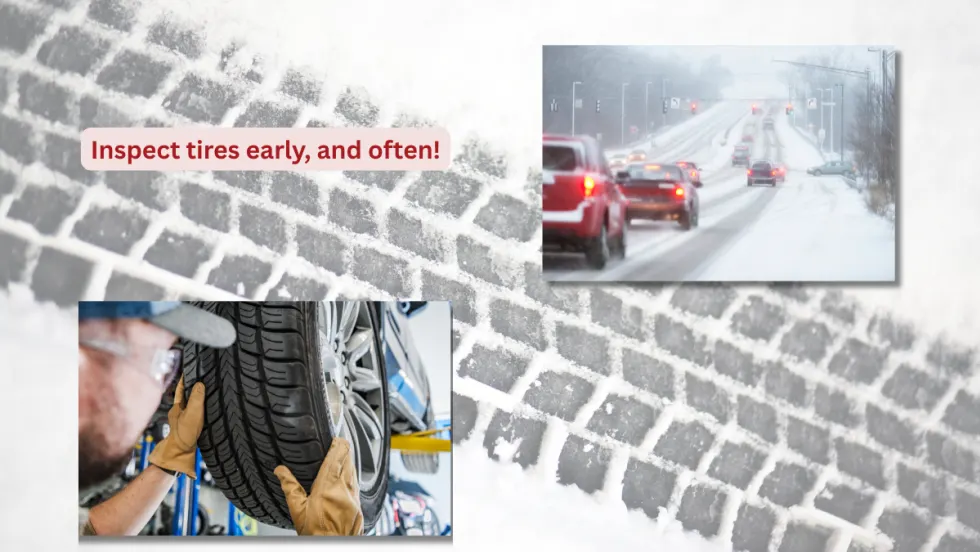
Fleet Managers Share Winter Prep Tips: It's Never Too Early!
Three fleets share best practices to prep vehicles for winter and prevent downtime when the cold sets in.
Read More →