




CHP and Verizon Offer Safety Tips to Motorists with Wireless Phones

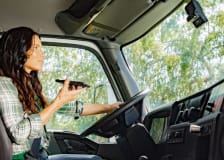
Both drivers and wireless phones are increasing in number on California streets and freeways. Today, more than 11 million Californians own wireless phones, and many people are concerned about distractions while driving. The growth of traffic congestion, along with the rapidly growing population of wireless phone owners in California, has prompted the California Highway Patrol and Verizon Wireless to jointly remind motorists of the importance of reducing their distractions while driving. "At Verizon Wireless, we are committed to educating consumers statewide and across the country on how to drive responsibly," said Mike Finley, Verizon Wireless Southern California Region president. "And our cross-country educational campaign 'Drive Responsibly. Call with care,' aggressively communicates responsible driving tips to cell phone users of all ages." "One of our highest priorities is to put our strength behind enhancing the availability, affordability and awareness of hands-free technologies to enhance driver safety," said Ralph Martinez, Verizon Wireless Northern California Region president. "We believe that our customers' attentiveness to driving can be improved by using wireless service with convenient hands-free technologies, such as headsets, earpieces and voice-activated systems." To help celebrate Wireless Safety Week, May 21 - 27, and promote responsible driving on California freeways and streets, the California Highway Patrol and Verizon Wireless recommend that wireless phone owners use the following safety tips while driving: - When behind the wheel, safe driving is always your first responsibility - Dial your phone when your car is not in motion - Always use hands-free when driving and talking; when you turn your phone on, make sure your hands-free device is on and working - Preprogram important and frequently dialed numbers, including home and baby-sitter, so you can dial them by pressing only a few buttons - Never take notes or write down phone numbers while driving. Rather, pull off the road to a safe spot or leave yourself a message on your voice mail system - Know your wireless phone number so emergency personnel can call you back. You may want to write it down and keep it in your car for quick reference - If traffic conditions warrant your undivided attention, turn your phone off, and let calls go to voice mail or activate call forwarding With Mother's Day, Graduation and Father's Day promising new cellular phone users, the California Highway Patrol (CHP) and Verizon Wireless also urge wireless phone users to dial 9-1-1 only for serious emergencies. Appropriate reasons to call 9-1-1 include: - To report a collision or road hazard, if an emergency vehicle is not already on scene - Report a reckless or suspected intoxicated driver - For a medical emergency - A driver in distress - A crime in progress
More Safety & Compliance

Automotive Lift Institute Promotes Vice President from Within
The Automotive Lift Institute has appointed Janelle Storey as vice president, business operations and legal affairs. She was named coordinator for the ALI Lift Inspector Certification Program in 2013, and later assumed responsibility for key aspects of ALI’s flagship Lift Certification Program.

The Difference a Word Makes in DOT Compliance
In fleet compliance, one word can change what’s required. Learn how FMCSR definitions help determine which rules apply to your trucks and drivers.

What Your Fleet's Brakes Might Be Telling You About Tailgating
Could frequent brake replacements reveal a driver following too closely? Learn how brake wear, driving habits, and maintenance costs connect.
From Our Partners


Recalls You Need to Know About in November 2026
If you have Altec, Autocar, Battle Motors, Chrysler, Daimler Truck, Ford, General Motors, Kalmar, Mack Trucks, Paccar, Rivian, Terex, Toyota, or Volvo Trucks vehicles in your fleet, you should check these important recalls issued by the National Highway Traffic Safety Administration.
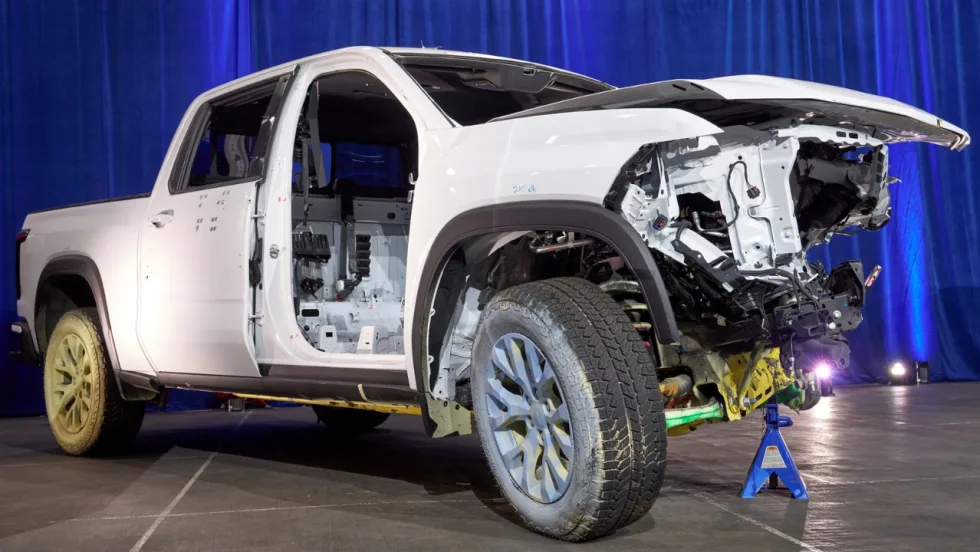
GM Runs 92,000 Virtual Crash Tests to Develop 2027 Chevrolet Silverado 1500
GM used 92,000 simulated crashes to evaluate the 2027 Chevrolet Silverado 1500's safety performance before confirming results through physical testing.
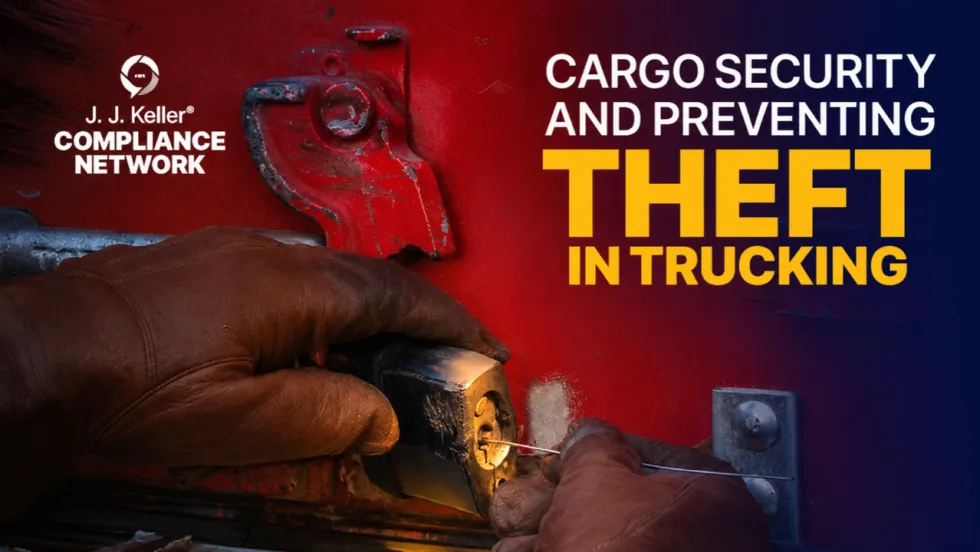
Thanksgiving Cargo Theft Risks Put Fleet Security in Focus
J. J. Keller shares cargo theft prevention tips for work truck fleets ahead of Thanksgiving, when parked vehicles and reduced staffing can increase security risks.
5 Winter Fleet Videos to Help Keep Trucks Running and Drivers Safe
From preventing cold-weather breakdowns to navigating icy roads, these five videos offer practical winter preparation tips for work truck fleets.
Navigating the Effects of Daylight Saving Time on Work Truck Fleets
Discover how daylight saving time impacts work truck fleets and get essential tips for fleet managers and drivers to navigate the "fall back" transition.
How Halloween Changes the Job for Work Truck Drivers
Truck traffic doesn’t take the same Halloween break as other drivers. What fleet managers should know about timing, neighborhood stops, and braking data.
Tips for Driving Safely on Halloween Night
This video features a reminder from the Connecticut Department of Transportation (DOT) and the Connecticut Police Chiefs Association, urging drivers to prioritize safety this Halloween.