




Chinese Government Announces Subsidy Policy For New Energy Vehicles
The Chinese government has unveiled its long anticipated subsidy policy for new energy vehicles upon the approval by the State Council.
The Chinese government finally unveiled its long anticipated subsidy policy for new energy vehicles upon the approval by the State Council, according to Kandi Technologies Group, Inc.
On September 17, 2013, the Ministry of Finance, the Ministry of Science and Technology, the Ministry of Industry and Information Technology and the National Development and Reform Commission also known as the "Four Ministries" jointly issued Notice No. 551 of 2013, "Regarding the Continuous Promotion and Application of New-Energy Vehicles for the years from 2013 to 2015."
The subsidiary policy, which covers the pure electric vehicles, plug-in hybrid electric vehicles and fuel cell battery vehicles, aims to increase the efforts on promotion of new energy vehicle procurement with government agencies, public organizations and public transportation areas, according to Kandi. According to the Notice, the central government will provide, based on certain technical requirement, up to RMB 60,000 (approximately USD 9,800) for the purchase of an all-electric passenger vehicle and up to RMB 500,000 (approximately USD 81,700) for the purchase of an electric bus. The subsidy payments will be distributed to the manufacturers on a quarterly basis in advance and the subsidies will then be paid by the manufacturers directly to the consumers.
The Notice also established the following benchmark requirements for the pilot cities or regions:
From 2013 to 2015, there shall be no less than 10,000 new energyvehicles added cumulatively in each Large Pilot City or Region, and no less than 5,000 new energy vehicles added cumulatively in each of other cities or regions.
No less than 30 percent of these new energy vehicles shall be non-local brands.
The local government shall not set barriers or disguised restrictions for vehicles from other regions.
The vehicle procurements by the government agencies and publicorganizations shall favor new energy vehicles. For new or replacement public transportation vehicles, government agency vehicles, logistic vehicles and waste management vehicles, no less than 30 percent of them shall be new energy vehicles.
The local government shall have issued specific policies and measures of vehicle purchase, public transportation operation, supporting infrastructure construction, and other aspects for new energy vehicles.
The pilot cities are subject to an annual inspection and evaluation. Pilot cities, which fail to complete the annual promotion objectives, will be eliminated from the subsidy program.
Any city that meets the requirements above can apply to become a pilot city and qualify to receive the subsidies. This policy will expand the geographic areas for the promotion of new energy vehicle in China.
Originally posted on Automotive Fleet
More Small Fleet

Developing Budget-Friendly Driver Safety Programs
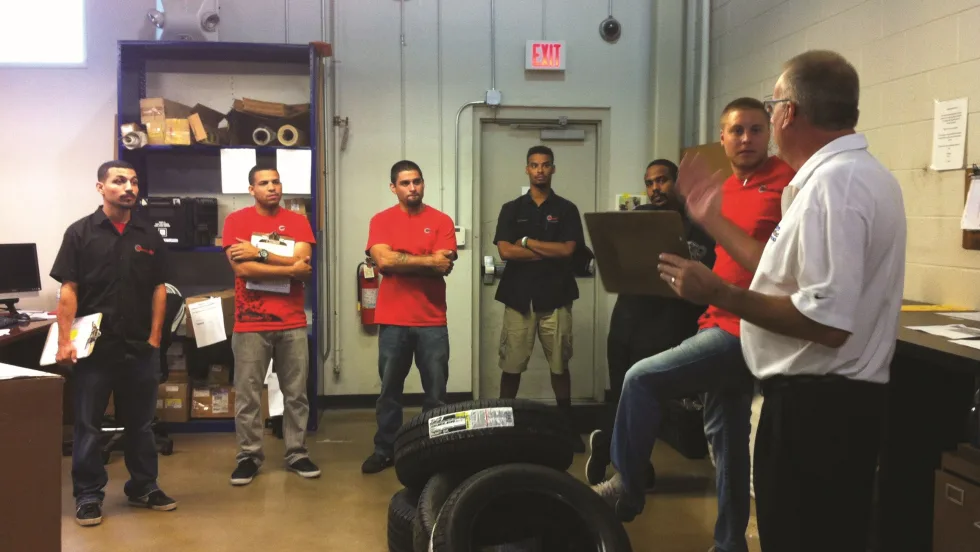
From driver training and safety meetings to one-on-one coaching and incentive programs, several small fleets share how they have developed a safety culture with their drivers using low- to no-cost resources.
Read More →
Boosting Last-Mile Fleet Uptime, Safety, and Value with AI Vehicle Inspections
AI-powered inspections are transforming last-mile fleets by replacing manual checks with highly accurate automated scans that detect defects in seconds. By giving fleet operations visibility into the daily condition of their vehicles, you can identify trends over the vehicle’s lifecycle that enable improved procurement decisions, route management, driver training and accountability.
Read More →

Five Ways Seat Belts Help Prevent Injuries
There are five ways seat belts protect occupants from injuries, according to the Tennessee Department of Safety and Homeland Security.
Read More →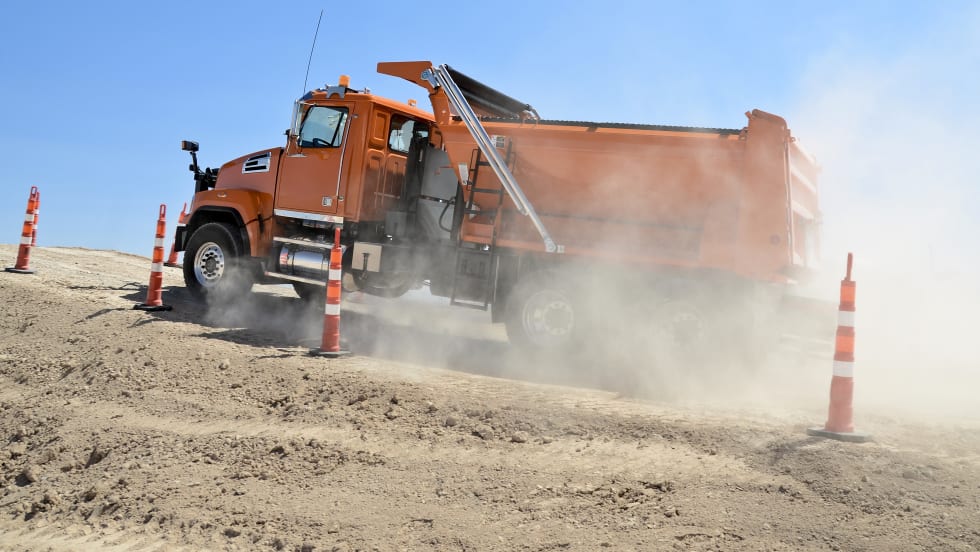
Basic Tracking vs Next Generation Fleet Technology
Fleet software is getting more sophisticated and effective than ever, tying big data models together to transform maintenance, safety, and the value of your existing tech stack. Fleet technology upgrades are undoubtedly an investment, but updated technology can offer a much higher return. Read how upgrading your fleet technology can increase the return on your investment.
Read More →
It’s here: The 2026 Fleet Technology Trends Report
What does AI mean for fleets? Get the answer — and learn other top tech trends.
Read More →
Small Fleets, Big Impact: How Independent Drivers Power Wreaths Across America
Check out how small fleets and independent drivers power Wreaths Across America each December and why their impact matters more than ever.
Read More →
VMS Survey Finds 65% of Small Fleet Managers Run Operations Alone
A new VMS survey shows small fleet managers are stretched thin, with most handling operations solo and eager to adopt digital tools for relief.
Read More →
Tips for Driving Safely on Halloween Night
This video features a reminder from the Connecticut Department of Transportation (DOT) and the Connecticut Police Chiefs Association, urging drivers to prioritize safety this Halloween.
Read More →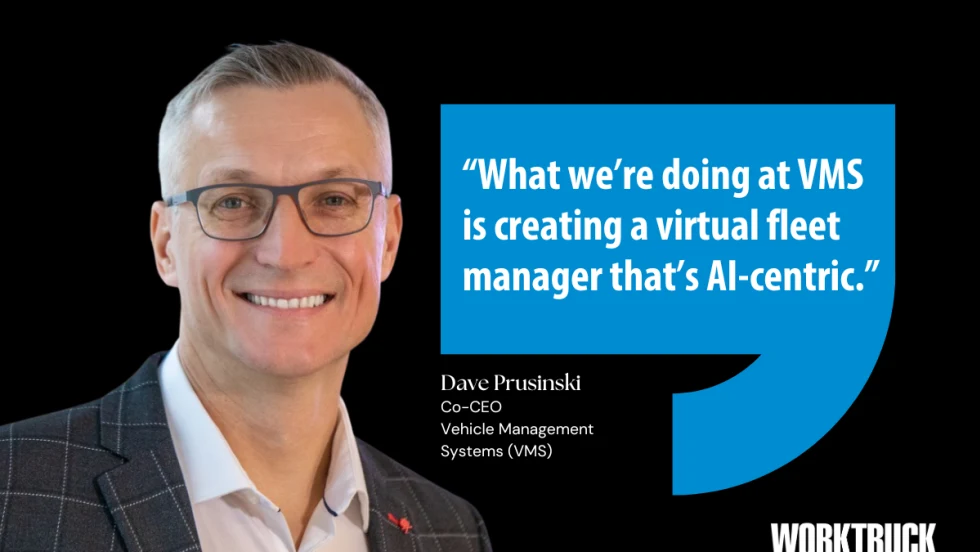
AI, Access, and Uptime: VMS’s Next Chapter with David Prusinski
VMS’s new Co-CEO, David Prusinski, shares how an AI-first approach will give small fleets and repair shops the tools to compete like big players.
Read More →