




Cellport Systems Premiers Hands-Free System with Voice Recognition in GM Concept Vehicles

Cellport Systems, a provider of in-vehicle wireless communication and telematics systems, premierED its Cellport(R) 3000-VR product in two General Motors concept vehicles at the SEMA 2000 trade show in Las Vegas.
The Chevrolet Avalanche Base Camp concept vehicle and the GMC Savana Pro van will feature the Cellport 3000-VR, billed as the industry's first universal hands-free system with voice recognition. The Cellport 3000 system adapts to users' own wireless phones by using replaceable Pocket Adapters.
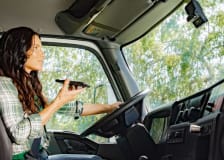
Customers can dial with their voice and talk while keeping both hands on the wheel. The Cellport 3000-VR accommodates and speech-enables a wide variety of phones including Motorola, Nokia, and other popular phone makes and models.
Cellport 3000-VR and the General Motors Concept Vehicles
"Wireless communication technologies are an integral part of a driver's life," said Jon Moss, manager, GM Special Vehicles Group. "We wanted to present user friendly, state-of-the-art wireless technologies in two vastly different vehicles, one for consumer markets, the other for commercial. The Cellport 3000-VR represents a significant advancement in safety, convenience, and hands-free phone operation and GM feels it is an excellent fit for both show concepts."
Until now, most hands-free car kits were provided by phone manufacturers who only support their own particular phone models. This makes it impossible to upgrade when customers purchase another brand of phone. Cellport says it has solved the "guessing game" of which phone to integrate into a vehicle line with a Universal Docking Station and phone-specific Pocket Adapters that accept a wide range of popular phones.
"The Cellport 3000 is a very smart and economical approach to putting a hands-free system in a vehicle without worrying that a customer will have an outdated hands-free system in two years. Customers just change Pocket Adapters as they upgrade to newer phone models," said Doug Daniels, vice president of business development for Cellport Systems.
The Cellport 3000-VR currently supports numerous phone models including Motorola and Nokia, with other popular models in development.
Cost-Effective Solution For Drivers
"Typically there have been two barriers to mass customer acceptance of hands-free systems: hands-free kits designed for one phone model, and poor sound quality," Daniels said. "Cellport 3000 removes these barriers by providing a universal solution that accommodates a consumer's own wireless phone model, while using state of the art DSP technology to remove background noise and echoes from the call." Goldman Sachs Research statistics show that 79% of customers change phones every 18 months, but only purchase a new vehicle every seven years.
Cellport 3000's improved audio quality is the result of Digital Signal Processor (DSP) chip technology developed for hands-free wireless automotive applications from Lucent Technologies. The chip set uses software algorithms to suppress background noise and cancel echoes commonly associated with in- vehicle wireless phone use.
"Ninety-eight percent of today's car kits don't utilize a DSP to reduce noise," said Rob Franzo, director of the automotive products group of Lucent Technologies Microelectronics Group. "Lucent's single-chip DSP in the Cellport 3000 simultaneously enables voice recognition; hands-free, full-duplex speakerphone functions including adaptive acoustic echo cancellation, line echo cancellation, noise suppression; simultaneous voice and data, and voice memo recording functions."
Improved Safety
With legislation already passed in 19 countries around the world, pending in 36 states and now enacted in several U.S. cities, there is increasing interest in improving driver safety while using wireless phones. Most of the laws call for drivers to use a hands-free product, like the Cellport 3000 system, to make and receive calls while driving.
Cellport Systems uses a word-based speech recognition engine which enables voice recognition dialing technology on the Cellport 3000. Typical hands-free systems only support one model of phone and the voice recognition technology is limited to that model. By using Lernout & Hauspie's voice recognition technology, the Cellport 3000-VR will support voice recognition dialing in a multitude of phones.
More Technology & AI
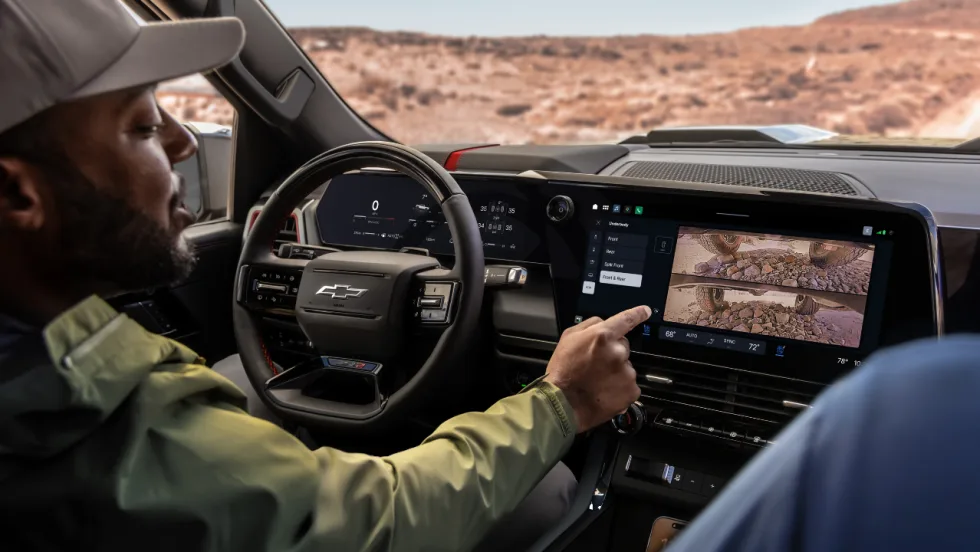
GM Brings New Truck Focused Interface to 2027 Silverado and Sierra
GM's new pickup interface puts trailering data, camera views, vehicle controls, and smartphone integration closer to the driver in the 2027 Silverado and Sierra.
Read More →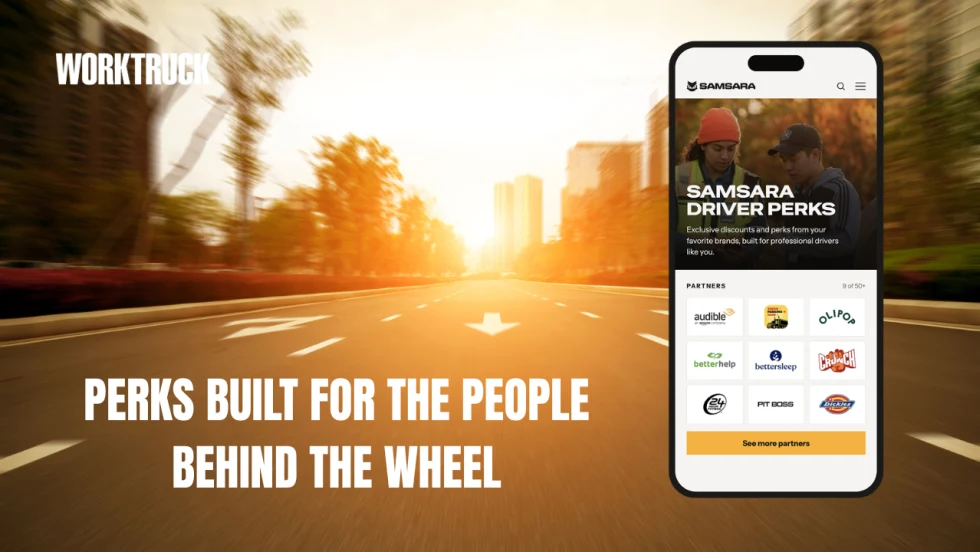
Samsara Driver Perks Expands Rewards Beyond the Long Haul Driver
Samsara’s new driver rewards program was built with a broader professional driver in mind, including employees who split their day between driving, job sites, service calls, and other work.
Read More →
AI Service Advisor Aims to Cut Fleet Repair Downtime
Fleetio said its AI Service Advisor can help fleets cut repair downtime by an average of 2.5 hours per repair while reducing manual maintenance work.
Read More →From Our Partners

Verra Mobility Launches AI-Driven Title & Registration Solution
Verra Mobility has launched a new AI-driven Title & Registration platform to help fleets move vehicles from acquisition to the road the same day while reducing compliance risk.
Read More →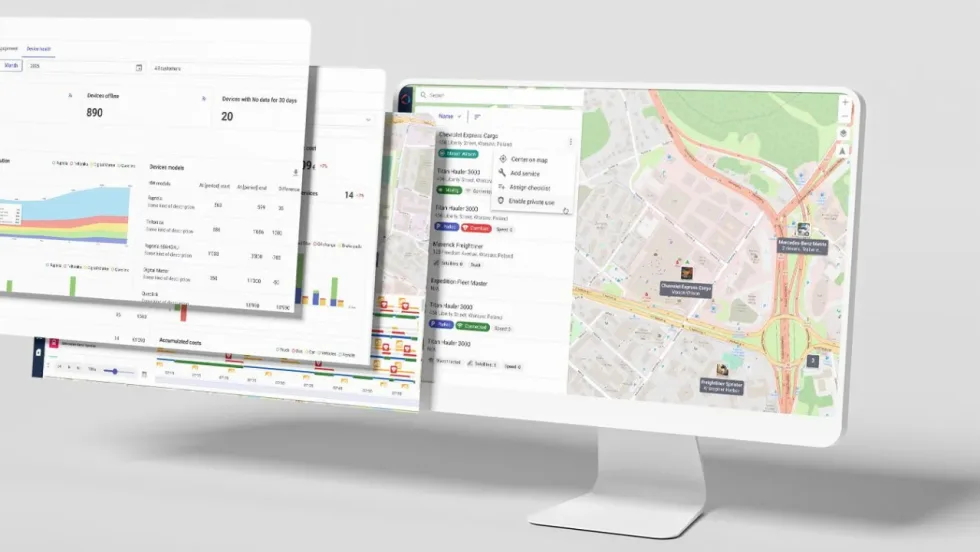
Wialon Unlocks OEM Data to Give Fleet Owners Data Ownership & Operational Clarity
Wialon has introduced hardware-free OEM integration as the EU Data Act accelerates the shift in vehicle data access across the fleet industry in many countries.
Read More →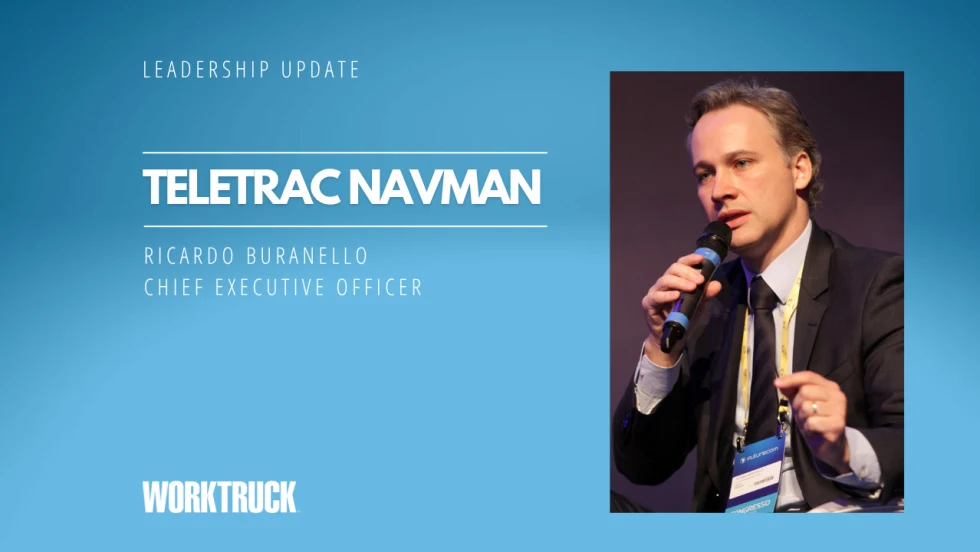
Teletrac Navman Promotes New CEO from Within
Teletrac Navman’s next CEO, Ricardo Buranello, has served as the company’s chief financial and operating officer. He brings deep financial and operational expertise, a strong strategic orientation, and an intimate knowledge of the business to his new role.
Read More →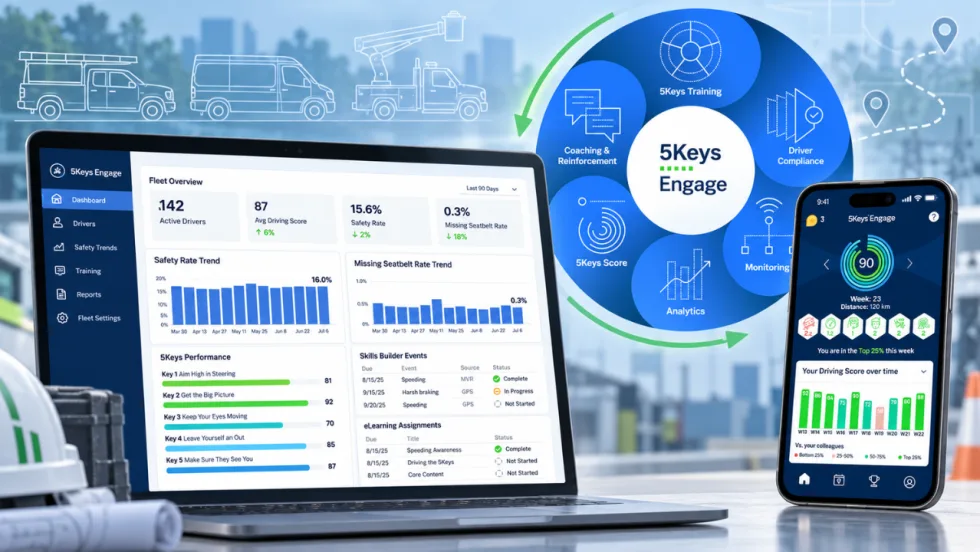
Smith System Wants Work Truck Fleets to Look Beyond the Driver Alert
Smith System’s new Driver Risk Management program is built to help mixed work truck fleets turn telematics alerts and observations into specific behaviors, coaching actions, and measurable follow-up.
Read More →
Ford Pro Software Updates: August 26
Check out the latest Ford Pro software updates, including Google Maps integration, Remote Vehicle Alarm integration, Motor Pool for easier management of shared pool vehicles, and more.
Read More →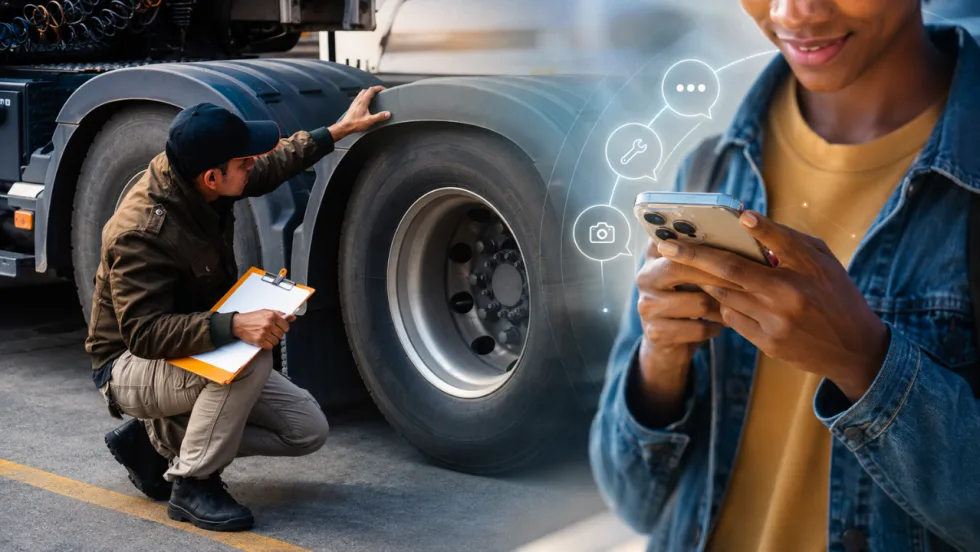
How Faster Driver Reporting Can Keep Small Truck Problems Small
When minor damage, warning lights, or equipment issues are reported late, small problems can quickly become bigger maintenance headaches. Conversational AI can help shorten the path from what a driver notices in the field to the person who can act on it.
Read More →
Where AI Is Actually Saving Fleet Managers Time
AI is moving past the buzzword stage and into the daily fleet workflow. Fleetio’s Brianna Perry Lang breaks down where fleets are seeing real time savings, from maintenance and data entry to repair decisions, safety, and compliance
Read More →