




Cellphone Law May Not Make Roads Safer
Drivers' chatting, even on hands-free devices, is risky, experts say.
As California joins five other states in requiring drivers to use hands-free devices when talking on cellphones, an increasing body of research suggests the legislation will accomplish little, the New York Times reports.
The risk doesn't stem from whether one or both hands are on the wheel, the research suggests. It's whether the driver's mind is somewhere else.
The biggest danger is "cognitive capture" — or being blind to driving cues because one is absorbed in conversations, especially emotional ones.
California motorists will be required to use a hands-free device to talk on a cellphone starting July 1 under a new traffic safety law. Such laws are already in effect in New York, New Jersey, Connecticut, Utah, Washington state and the District of Columbia.
Hands-free laws have come to be seen as the most politically feasible way to address the dangers of driver distraction because of cellphone use.
Some scientists say that hands-free laws could actually make things worse by encouraging drivers to make more or longer calls.
Indeed, federal highway safety officials drafted a letter from then-Transportation Secretary Norman Y. Mineta to the nation's governors in 2003 to warn against laws like California's that allow hands-free calling. For reasons never fully explained, the letter was neither signed by Mineta nor sent. According to the bluntly worded letter, obtained by The Times, "overwhelmingly, research worldwide indicates that both hand-held and hands-free phones increase the risk of a crash."
After a June, 2003 meeting with Department of Transportation authorities, the letter was drafted but then spiked. The fatality estimate was never made public.
Two widely cited studies found a fourfold greater crash risk for drivers using cellphones than for normal driving — with nearly identical risks for hand-held and hands-free phones. The studies looked at drivers and collisions in Canada and Australia, where cellphone records were available for analysis, unlike the U.S.
There are some skeptics. A 2006 paper co-authored by James E. Prieger, a professor of public policy at Pepperdine University in Malibu, Calif.
found that the link between cellphones and collisions was less conclusive, and the crash risks probably lower, than indicated in some of the most prominent studies.
But, Prieger said, "if you've ever used a cellphone in a car and you're honest with yourself, it's hard to doubt that at some level it doesn't make you a riskier driver."
Of 95 bills pending in 28 states that relate to cellular use by drivers, none would impose an all-out ban, according to the National Conference of State Legislatures. Typically, the bills would prohibit talking by teenagers or school bus drivers, or require hands-free devices — all measures the multibillion-dollar cellphone industry no longer opposes.
More Small Fleet


Developing Budget-Friendly Driver Safety Programs
From driver training and safety meetings to one-on-one coaching and incentive programs, several small fleets share how they have developed a safety culture with their drivers using low- to no-cost resources.
Read More →
Boosting Last-Mile Fleet Uptime, Safety, and Value with AI Vehicle Inspections
AI-powered inspections are transforming last-mile fleets by replacing manual checks with highly accurate automated scans that detect defects in seconds. By giving fleet operations visibility into the daily condition of their vehicles, you can identify trends over the vehicle’s lifecycle that enable improved procurement decisions, route management, driver training and accountability.
Read More →
Five Ways Seat Belts Help Prevent Injuries
There are five ways seat belts protect occupants from injuries, according to the Tennessee Department of Safety and Homeland Security.
Read More →
It’s here: The 2026 Fleet Technology Trends Report
What does AI mean for fleets? Get the answer — and learn other top tech trends.
Read More →
Small Fleets, Big Impact: How Independent Drivers Power Wreaths Across America
Check out how small fleets and independent drivers power Wreaths Across America each December and why their impact matters more than ever.
Read More →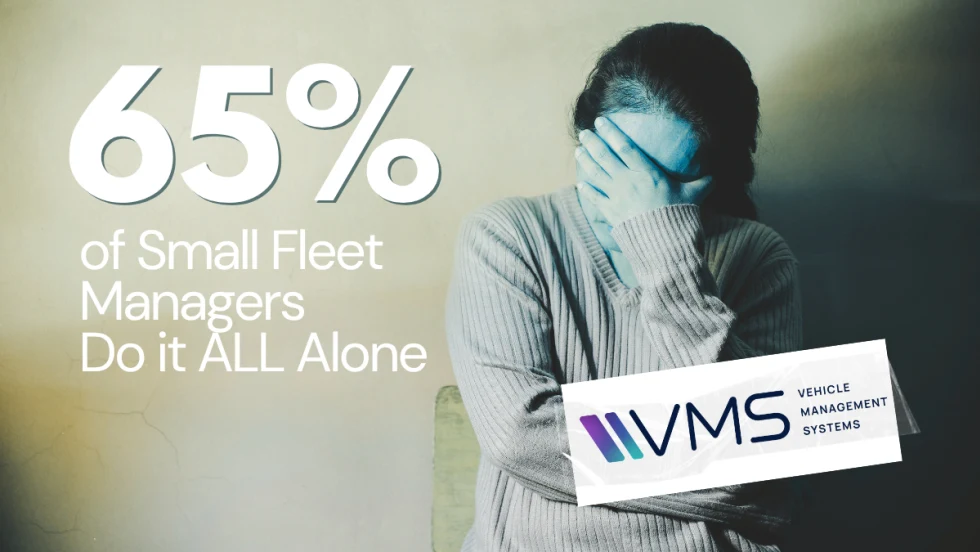
VMS Survey Finds 65% of Small Fleet Managers Run Operations Alone
A new VMS survey shows small fleet managers are stretched thin, with most handling operations solo and eager to adopt digital tools for relief.
Read More →
Tips for Driving Safely on Halloween Night
This video features a reminder from the Connecticut Department of Transportation (DOT) and the Connecticut Police Chiefs Association, urging drivers to prioritize safety this Halloween.
Read More →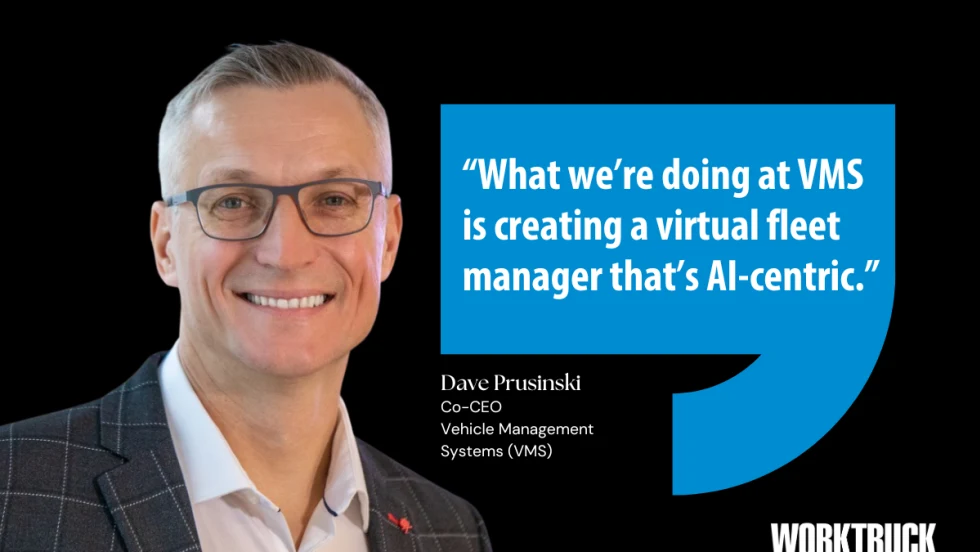
AI, Access, and Uptime: VMS’s Next Chapter with David Prusinski
VMS’s new Co-CEO, David Prusinski, shares how an AI-first approach will give small fleets and repair shops the tools to compete like big players.
Read More →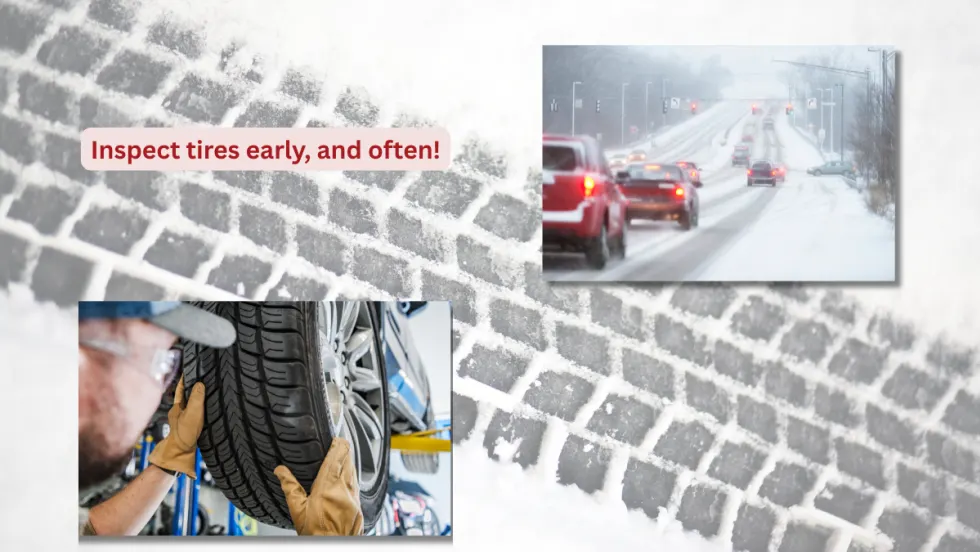
Fleet Managers Share Winter Prep Tips: It's Never Too Early!
Three fleets share best practices to prep vehicles for winter and prevent downtime when the cold sets in.
Read More →