




Related: Pressures to Stay Connected Help Fuel Distracted Driving
Cell Phone Use 6 Seconds Prior to Crashes Studied
A new study from the AAA Foundation for Traffic Safety examines the relationship between using a cell phone while driving and the risk of being involved in a crash by comparing cell phone use immediately prior to crashes versus during ordinary driving.
by Marianne Matthews
February 1, 2018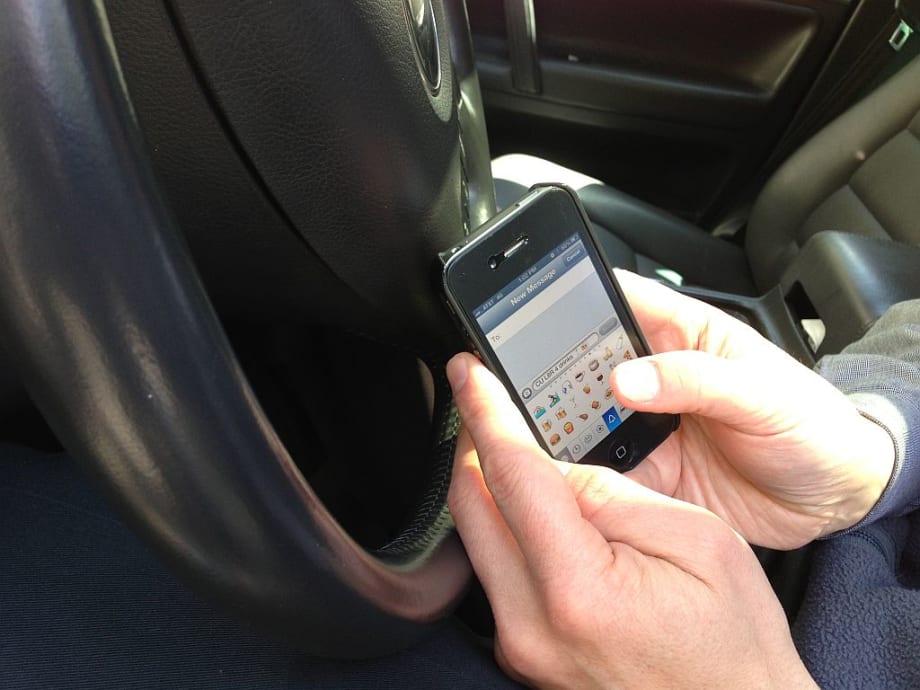
Photo via Intel Free Press/Flickr.
2 min to read
Photo via Intel Free Press/Flickr.
A new study from the AAA Foundation for Traffic Safety examines the relationship between using a cell phone while driving and the risk of being involved in a crash by comparing cell phone use immediately prior to crashes versus during ordinary driving.
A key finding — that visual-manual tasks, particularly texting, are associated with significantly increased crash risk — reflects that of several previous studies.
The study, “Crash Risk of Cell Phone Use While Driving: A Case-Crossover Analysis of Naturalistic Driving Data,” identifies association of crashes with a variety of driver cell phone behavior. Odds ratios were calculated for overall cell phone use, conversation, overall visual-manual cell phone use, and several specific visual manual tasks including texting, dialing, browsing, an reaching for or answering the phone.
The study found that visual-manual interaction with cell phones while driving — particularly text messaging — nearly doubled the incidence of crash involvement relative to driving without performing any observable secondary tasks. Moreover, driver texting was prevalent — 42 of 65 crashes that involved any form of visual-manual interaction with cell phones involved texting.
Associations between visual-manual cell phone interaction and crash risk tended to be stronger in free-flow traffic and in types of crashes in which the subject driver played a clear role, such as rear-end and road-departure crashes. Estimated risks were lower than in most past studies that examined risk of involvement in real-world crashes, likely due to the greater control for individual and situational risk factors in the current study.
The study draws on data from the Second Strategic Highway Research Program Naturalistic Driving Study.
It includes data from a sample of 3,593 drivers whose driving behavior was monitored over a period of 38 months (October 2010 to December 2013) using in-vehicle video and other data collection equipment. The driver sample is comprised of an equal mix of male and female drivers from various age groups and socioeconomic strata. Data were collected across six study sites in the U.S. to ensure geographical diversity.
Driver cell phone use and crash incidence was quantified using a case-crossover study design in which a driver’s cell phone use in the six seconds immediately prior to the crash was compared with the same driver’s cell phone use in up to four six-second segments of ordinary driving under similar conditions (time of day, weather, locality, lighting and speed) within the three months prior to the crash. The study sample included 566 severe, moderate and minor crashes matched to 1,749 segments of ordinary driving.
Read the full report here.
Editor's note: Marianne Matthews is a contributor to AutomotiveFleet.com.
Originally posted on Automotive Fleet
More Small Fleet


Developing Budget-Friendly Driver Safety Programs
From driver training and safety meetings to one-on-one coaching and incentive programs, several small fleets share how they have developed a safety culture with their drivers using low- to no-cost resources.
Read More →
Sponsored•March 9, 2026
Boosting Last-Mile Fleet Uptime, Safety, and Value with AI Vehicle Inspections
AI-powered inspections are transforming last-mile fleets by replacing manual checks with highly accurate automated scans that detect defects in seconds. By giving fleet operations visibility into the daily condition of their vehicles, you can identify trends over the vehicle’s lifecycle that enable improved procurement decisions, route management, driver training and accountability.
Read More →
Five Ways Seat Belts Help Prevent Injuries
There are five ways seat belts protect occupants from injuries, according to the Tennessee Department of Safety and Homeland Security.
Read More →
Sponsored•January 14, 2026
It’s here: The 2026 Fleet Technology Trends Report
What does AI mean for fleets? Get the answer — and learn other top tech trends.
Read More →
Small Fleets, Big Impact: How Independent Drivers Power Wreaths Across America
Check out how small fleets and independent drivers power Wreaths Across America each December and why their impact matters more than ever.
Read More →
VMS Survey Finds 65% of Small Fleet Managers Run Operations Alone
A new VMS survey shows small fleet managers are stretched thin, with most handling operations solo and eager to adopt digital tools for relief.
Read More →
Tips for Driving Safely on Halloween Night
This video features a reminder from the Connecticut Department of Transportation (DOT) and the Connecticut Police Chiefs Association, urging drivers to prioritize safety this Halloween.
Read More →
AI, Access, and Uptime: VMS’s Next Chapter with David Prusinski
VMS’s new Co-CEO, David Prusinski, shares how an AI-first approach will give small fleets and repair shops the tools to compete like big players.
Read More →
Fleet Managers Share Winter Prep Tips: It's Never Too Early!
Three fleets share best practices to prep vehicles for winter and prevent downtime when the cold sets in.
Read More →