




Can "Renewable Diesel" Work?
Field test shows that the combustion of the alternative diesel fuel from hydrotreated vegetable oil (HVO) in the engines results in significantly reduced emissions of pollutants.
On June 9 in Berlin, Daimler AG, Deutsche Post DHL, the energy group OMV, the Stuttgarter Straßenbahnen AG public transportation company, and the Finnish oil company Neste Oil took part in a discussion-oriented event titled "Diesel from renewable resources - A step toward zero-emission transportation?"
At the event, the companies presented the initial results of their joint pilot test project focusing on fuel from sustainable production. Since mid-2008, 14 series-produced Mercedes-Benz trucks and buses that run exclusively on sustainably produced NExBTL renewable diesel have been in service under everyday conditions in Germany.
The vehicles have already covered one million kilometers. The field test shows that the combustion of the alternative diesel fuel from hydrotreated vegetable oil (HVO) in the engines results in significantly reduced emissions of pollutants. For example, emissions of nitrogen oxides decrease up to 15 percent. The overall CO2 balance is also positive: From the sustainable cultivation of palm oil and its processing to the fuel's use in a vehicle, the CO2 emissions of the fuel used in the pilot test have been reduced by more than 60 percent compared to fossil fuels.
Plans call for the joint project to run for a three-year period ending in 2011. Its objectives are to test the usability of the new diesel fuel made from renewable energy sources and to determine the level of CO2 savings that can be realized in everyday use with series-produced vehicles. The field test calls for the Mercedes-Benz commercial vehicles to be driven a total of 3.3 million kilometers while realizing savings of more than 2,000 tons of CO2 emissions. During this period, Deutsche Post DHL is operating ten Mercedes-Benz trucks in the Greater Nuremberg area. They consist of five medium-duty Mercedes-Benz Atego trucks and five heavy-duty Mercedes-Benz Actros vehicles.
In addition, Stuttgarter Straßenbahnen AG has four Mercedes-Benz Citaro city buses on the road, which all run on NExBTL renewable diesel. Neste Oil produces the biofuel, and OMV is responsible for supplying the fuel to the project partners.
The collaboration by companies from different sectors makes it possible to integrate and study every step along the entire value chain - from biofuel production to its use in urban, intercity, and long distance transportation. "The results from the first year of testing show that the fuel works perfectly in Mercedes-Benz trucks and buses and is tolerated very well by the engines," says Dr. Manfred Schuckert, company strategist emissions and safety for commercial vehicles at Daimler AG. "This is very important for our customers because the previously used biodiesel from the so-called first generation of biofuels often leads to more frequent maintenance checks, which in turn leads to higher costs for the vehicle operators."
Daimler Trucks and Daimler Buses are forging ahead with measures for significantly reducing the fuel consumption and the CO2 and pollutant emissions of their vehicles. The world's leading commercial vehicle manufacturer expresses this commitment in its "Shaping Future Transportation" initiative.
In addition to providing important findings concerning the trouble-free use of biofuel from hydrotreated vegetable oils (HVO) in commercial vehicles, the pilot project is also important in terms of achieving significant reductions of CO2 emissions from motor vehicle traffic, which immediately reduce the environmental impact. "As a global logistics company that operates a large fleet of vehicles, we want to actively support research into biofuels from renewable sources. That's because we think that second- and third-generation biofuels can significantly reduce our carbon footprint," says Steffen Frankenberg, company strategist at Deutsche Post DHL, who also is responsible for the company's "GoGreen" climate protection program.
A study conducted by Deutsche Post DHL, for instance, showed that more than 80 percent of all CO2 emissions from freight transport are generated on medium- to long-distance routes. Estimates indicate that the transport volumes on these routes will double by the year 2020. At the same time, the requirements for companies are becoming more demanding regarding climate protection.
For example, the emissions standards for the automotive industry and the requirements for the use of renewable energy throughout the EU are becoming stricter. This means, for example, that all EU member countries will have to increase their use of renewable energy in the transportation sector to ten percent by 2020. Deutsche Post DHL was the first company in its sector to set itself a concrete climate-protection target of improving CO2 efficiency by 30 percent company-wide by 2020. "In the future we will face the challenging task of having to transport more goods while generating far fewer emissions," explains Frankenberg. "We will therefore desperately need alternative fuels, especially fuels that are sustainably produced."
More Small Fleet

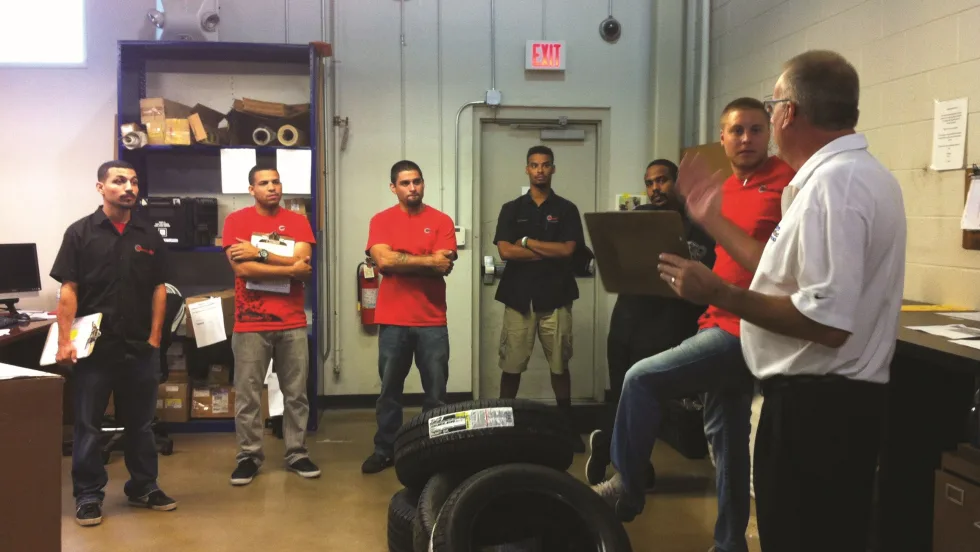
Developing Budget-Friendly Driver Safety Programs
From driver training and safety meetings to one-on-one coaching and incentive programs, several small fleets share how they have developed a safety culture with their drivers using low- to no-cost resources.
Read More →
Boosting Last-Mile Fleet Uptime, Safety, and Value with AI Vehicle Inspections
AI-powered inspections are transforming last-mile fleets by replacing manual checks with highly accurate automated scans that detect defects in seconds. By giving fleet operations visibility into the daily condition of their vehicles, you can identify trends over the vehicle’s lifecycle that enable improved procurement decisions, route management, driver training and accountability.
Read More →

Five Ways Seat Belts Help Prevent Injuries
There are five ways seat belts protect occupants from injuries, according to the Tennessee Department of Safety and Homeland Security.
Read More →
Basic Tracking vs Next Generation Fleet Technology
Fleet software is getting more sophisticated and effective than ever, tying big data models together to transform maintenance, safety, and the value of your existing tech stack. Fleet technology upgrades are undoubtedly an investment, but updated technology can offer a much higher return. Read how upgrading your fleet technology can increase the return on your investment.
Read More →
It’s here: The 2026 Fleet Technology Trends Report
What does AI mean for fleets? Get the answer — and learn other top tech trends.
Read More →
Small Fleets, Big Impact: How Independent Drivers Power Wreaths Across America
Check out how small fleets and independent drivers power Wreaths Across America each December and why their impact matters more than ever.
Read More →
VMS Survey Finds 65% of Small Fleet Managers Run Operations Alone
A new VMS survey shows small fleet managers are stretched thin, with most handling operations solo and eager to adopt digital tools for relief.
Read More →
Tips for Driving Safely on Halloween Night
This video features a reminder from the Connecticut Department of Transportation (DOT) and the Connecticut Police Chiefs Association, urging drivers to prioritize safety this Halloween.
Read More →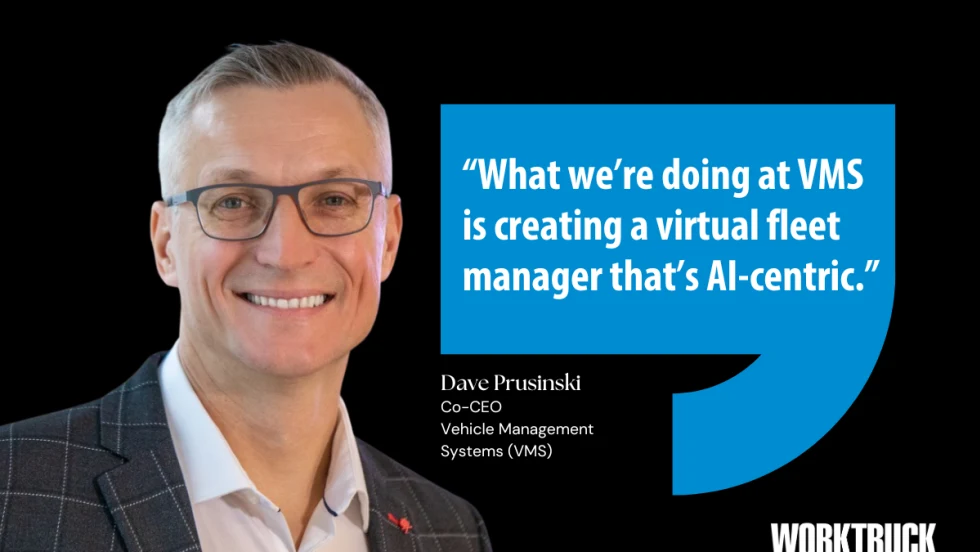
AI, Access, and Uptime: VMS’s Next Chapter with David Prusinski
VMS’s new Co-CEO, David Prusinski, shares how an AI-first approach will give small fleets and repair shops the tools to compete like big players.
Read More →