




California Taxi Fleet Operator Taps Into Ford Transit Connect
California Yellow Cab of Santa Ana will convert its Ford Transit Connects to compressed natural gas, to take advantage of the availability of natural gas fueling stations in Orange County, Calif.
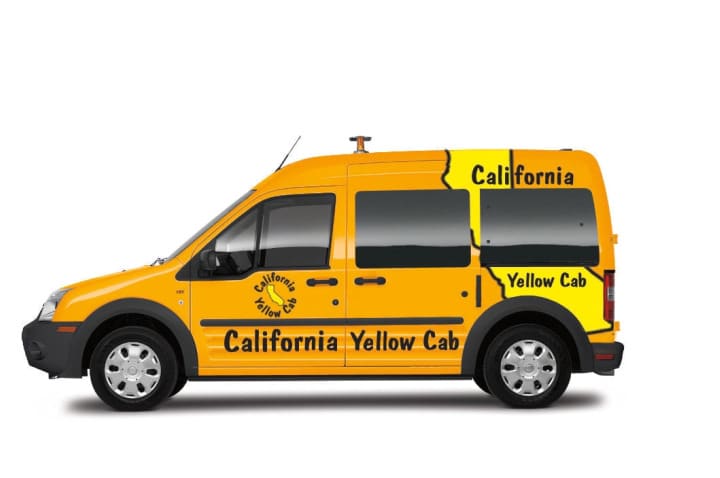
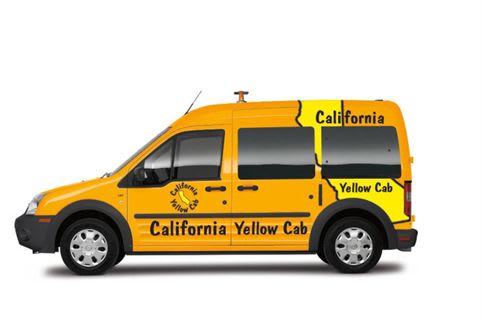
California Yellow Cab of Santa Ana will convert its Ford Transit Connects to compressed natural gas.
When Tim Conlon, president of California Yellow Cab, first laid eyes on the new Ford Transit Connect, he wondered if it had a future in taxi service. Now, having seen the award-winning small commercial van in person, he says it has potential to be "the iconic taxi of the future."
In fact, Conlon is so confident of the Transit Connect Taxi package - which goes into production and arrives in dealerships later this year - he's already put in an order for 25 units.
What drove Conlon's decision - and is driving interest among other taxi companies - is the Transit Connect's alternative fuel engine prep package, which enables conversion to efficient, clean-burning compressed natural gas (CNG) or propane (LPG, or liquefied petroleum gas).
California Yellow Cab of Santa Ana will convert its Transit Connects to CNG, to take advantage of the availability of natural gas fueling stations in Orange County. With the acquisition, Conlon expects California Yellow Cab to become the first taxi company in the Southern California to operate half of its 220-vehicle fleet on natural gas.
"California Yellow Cab started to use natural gas in 2002 before there were many refueling stations," Conlon said. "Now that the infrastructure has built up, we'll be able to help protect Orange County's air quality even more with the Transit Connect. It's a perfect fit for our drivers, and its roomy, easy-to-access interior will appeal to our customers as well."
To serve taxi operators, Ford will provide calibration guidance for the CNG or LPG conversion. By properly following Ford's recommendations, the conversion can be completed without voiding the engine's warranty.
The Transit Connect Taxi has open architecture design. The vehicle's rear seat has been moved back 3 inches to maximize passenger comfort. The 6.5 inches of ground clearance allows passengers to step easily through the dual sliding doors. Additional climate control ventilation has been added for rear seat passengers.
The Transit Connect Taxi also features a wiring upfit package with a hole in the roof for signage, vinyl front and rear seats, vinyl flooring and standard third-row windows - all factory installed. Additional installation of taxi modifications such as roof signage and the optional seating partition are handled by taxi upfitters in local markets.
"Transit Connect already has proven it offers tremendous versatility for commercial fleet use," said Gerry Koss, Ford fleet marketing manager. "The Transit Connect Taxi, combined with the capability for CNG/LPG conversion, further demonstrates its flexibility."
More Small Fleet


Developing Budget-Friendly Driver Safety Programs
From driver training and safety meetings to one-on-one coaching and incentive programs, several small fleets share how they have developed a safety culture with their drivers using low- to no-cost resources.
Read More →
Boosting Last-Mile Fleet Uptime, Safety, and Value with AI Vehicle Inspections
AI-powered inspections are transforming last-mile fleets by replacing manual checks with highly accurate automated scans that detect defects in seconds. By giving fleet operations visibility into the daily condition of their vehicles, you can identify trends over the vehicle’s lifecycle that enable improved procurement decisions, route management, driver training and accountability.
Read More →
Five Ways Seat Belts Help Prevent Injuries
There are five ways seat belts protect occupants from injuries, according to the Tennessee Department of Safety and Homeland Security.
Read More →
It’s here: The 2026 Fleet Technology Trends Report
What does AI mean for fleets? Get the answer — and learn other top tech trends.
Read More →
Small Fleets, Big Impact: How Independent Drivers Power Wreaths Across America
Check out how small fleets and independent drivers power Wreaths Across America each December and why their impact matters more than ever.
Read More →
VMS Survey Finds 65% of Small Fleet Managers Run Operations Alone
A new VMS survey shows small fleet managers are stretched thin, with most handling operations solo and eager to adopt digital tools for relief.
Read More →
Tips for Driving Safely on Halloween Night
This video features a reminder from the Connecticut Department of Transportation (DOT) and the Connecticut Police Chiefs Association, urging drivers to prioritize safety this Halloween.
Read More →
AI, Access, and Uptime: VMS’s Next Chapter with David Prusinski
VMS’s new Co-CEO, David Prusinski, shares how an AI-first approach will give small fleets and repair shops the tools to compete like big players.
Read More →
Fleet Managers Share Winter Prep Tips: It's Never Too Early!
Three fleets share best practices to prep vehicles for winter and prevent downtime when the cold sets in.
Read More →