




Related: Calif. Mandates Renewable Diesel Purchases for State Agencies
Calif. Exceeding Zero-Emission Vehicle Goal
Nearly 12% of new light-duty vehicle purchases made by California state agencies are now zero-emission, exceeding Gov. Jerry Brown’s goal of 10% set forth in a 2012 executive order.
by Staff
May 10, 2016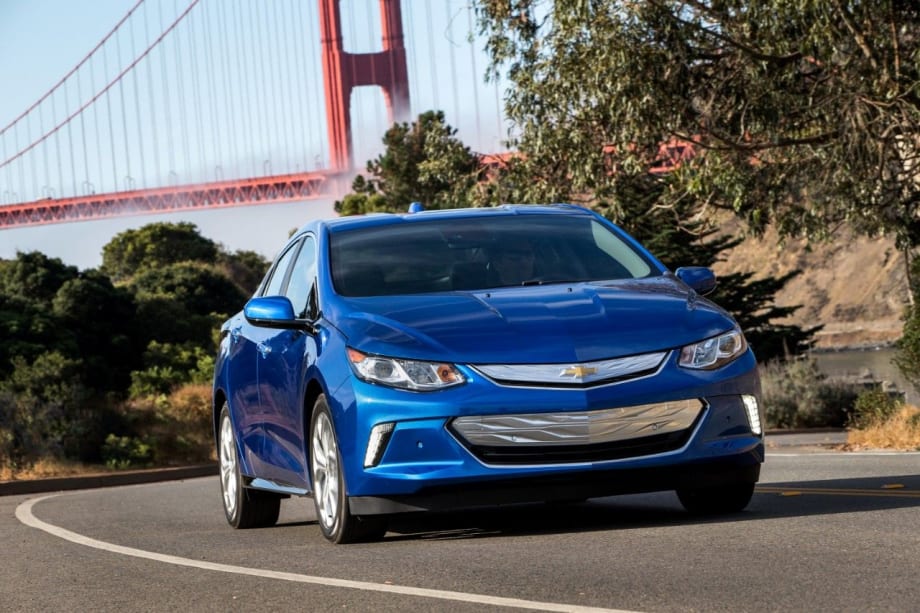
Photo courtesy of GM
2 min to read
Photo courtesy of GM
California has exceeded Gov. Jerry Brown’s initial goals for placing more zero-emission vehicles (ZEV) on the road, according to new data released by the state.
Nearly 12% of new light-duty vehicle purchases made by state agencies are now zero-emission, exceeding Gov. Brown’s goal of 10% set forth in his 2012 executive order, which envisions 1.5 million zero-emission vehicles on California roads by 2025. The achievement was announced at the state’s first-ever alternative transportation expo held at the State Capitol Monday.
"We have approved approximately 310 zero emission vehicle purchases for state government use and about 252 ZEVs have been deployed by state departments," said Daniel Kim, director of the Department of General Services (DGS). "Those numbers include battery, electric and plug-in hybrid vehicles that are purchased through state contracts managed by DGS."
The ZEV purchase data announcement puts the state in a good position to meet the governor’s next goal, which calls for 25% of light-duty replacement fleet purchases to be zero emission by 2020.
Limited EV charging infrastructure and limited vehicle options are two of state departments’ biggest challenges in complying with the executive order. To assist with this, DGS has solicited and awarded contracts for solar electric charging stations and medium- and heavy-duty PHEVs.
DGS is also expanding the state’s vehicle charging station infrastructure. DGS manages about 70 Level 2 EV charging stations at state facilities with plans to install about 80 more by the end of 2016. DGS has also begun a statewide program to install a minimum of 1,000 basic Level 1 charging receptacles throughout all DGS garages and parking lots.
Additionally, DGS is working with the California Air Resources Board to establish ZEV credits for electric motorcycles as well as medium- and heavy-duty PHEVs.
Originally posted on Automotive Fleet
More Small Fleet


Developing Budget-Friendly Driver Safety Programs
From driver training and safety meetings to one-on-one coaching and incentive programs, several small fleets share how they have developed a safety culture with their drivers using low- to no-cost resources.
Read More →
Sponsored•March 9, 2026
Boosting Last-Mile Fleet Uptime, Safety, and Value with AI Vehicle Inspections
AI-powered inspections are transforming last-mile fleets by replacing manual checks with highly accurate automated scans that detect defects in seconds. By giving fleet operations visibility into the daily condition of their vehicles, you can identify trends over the vehicle’s lifecycle that enable improved procurement decisions, route management, driver training and accountability.
Read More →
Five Ways Seat Belts Help Prevent Injuries
There are five ways seat belts protect occupants from injuries, according to the Tennessee Department of Safety and Homeland Security.
Read More →
Sponsored•January 14, 2026
It’s here: The 2026 Fleet Technology Trends Report
What does AI mean for fleets? Get the answer — and learn other top tech trends.
Read More →
Small Fleets, Big Impact: How Independent Drivers Power Wreaths Across America
Check out how small fleets and independent drivers power Wreaths Across America each December and why their impact matters more than ever.
Read More →
VMS Survey Finds 65% of Small Fleet Managers Run Operations Alone
A new VMS survey shows small fleet managers are stretched thin, with most handling operations solo and eager to adopt digital tools for relief.
Read More →
Tips for Driving Safely on Halloween Night
This video features a reminder from the Connecticut Department of Transportation (DOT) and the Connecticut Police Chiefs Association, urging drivers to prioritize safety this Halloween.
Read More →
AI, Access, and Uptime: VMS’s Next Chapter with David Prusinski
VMS’s new Co-CEO, David Prusinski, shares how an AI-first approach will give small fleets and repair shops the tools to compete like big players.
Read More →
Fleet Managers Share Winter Prep Tips: It's Never Too Early!
Three fleets share best practices to prep vehicles for winter and prevent downtime when the cold sets in.
Read More →