




Bush Administration Could Redefine 'Car' and 'Light Truck'
While planning to overhaul federal fuel economy standards, the Bush administration is considering proposals that could redefine what the government considers a car and what it considers a truck, according to the New York Times (NYT). The newspaper said that current regulations let vehicles classified as light trucks use far more gasoline than passenger cars. According to the newspaper, environmental groups have long said that vehicle makers give some vehicles truck-like attributes — like the seats in Chrysler's PT Cruiser, which fold flat to create a truck bed — so they will qualify for the more lenient light-truck fuel economy standards. The NYT added that the first glimpses of the administration's plans also worry environmental advocates, who say details not yet disclosed will determine if new rules end up improving overall fuel economy. According to the administration official, who insisted upon anonymity, one possibility being considered is that some vehicles now considered cars for fuel-economy purposes, like station wagons, would be defined as light trucks, while some vehicles now called light trucks — a category that includes sport utility vehicles, pickups and minivans — would be counted as cars, the New York Times said. According to the newspaper, the official said another proposal would set up a variety of fuel-economy standards for light trucks of different weights or sizes. The administration may also propose bringing trucks that weigh as much as 10,000 pounds fully loaded under the light-truck standards. Currently, the rules exempt vehicles of more than 8,500 pounds, like the Hummer H2, meaning they are not subject to fuel economy minimums. The NYT said the official, a member of the interagency group preparing the administration's proposals, said that regulators were focusing on light trucks partly because they lacked the authority, without explicit Congressional authorization, to change rules governing passenger car fuel economy. According to the New York Times, some environmental advocates express concern that any rule that scrapped a fleet-wide mileage requirement for light trucks could lead to an increase in gasoline consumption overall. "One could create a weight-based fuel economy system that either increased or decreased our gasoline consumption," said Daniel Becker, the global-warming expert at the Sierra Club. "The fear is the Bush administration, with former auto and oil executives at the helm, will want to create one that increases our gas guzzling to please their friends in Detroit and Houston." The administration official told the NYT that the government's proposals were "aimed at achieving even greater fuel economy in model years 2008 and beyond while simultaneously protecting safety and American jobs." For the last few months, an interagency group including representatives from the Department of Transportation, the Department of Energy and the Environmental Protection Agency has been considering broad changes to federal fuel economy rules. The varying ideas are due to be presented in an initial proposal this spring covering the model years 2008 and beyond. It will be subject to a lengthy review process, the New York Times noted.
More Small Fleet


Developing Budget-Friendly Driver Safety Programs
From driver training and safety meetings to one-on-one coaching and incentive programs, several small fleets share how they have developed a safety culture with their drivers using low- to no-cost resources.
Read More →
Boosting Last-Mile Fleet Uptime, Safety, and Value with AI Vehicle Inspections
AI-powered inspections are transforming last-mile fleets by replacing manual checks with highly accurate automated scans that detect defects in seconds. By giving fleet operations visibility into the daily condition of their vehicles, you can identify trends over the vehicle’s lifecycle that enable improved procurement decisions, route management, driver training and accountability.
Read More →

Five Ways Seat Belts Help Prevent Injuries
There are five ways seat belts protect occupants from injuries, according to the Tennessee Department of Safety and Homeland Security.
Read More →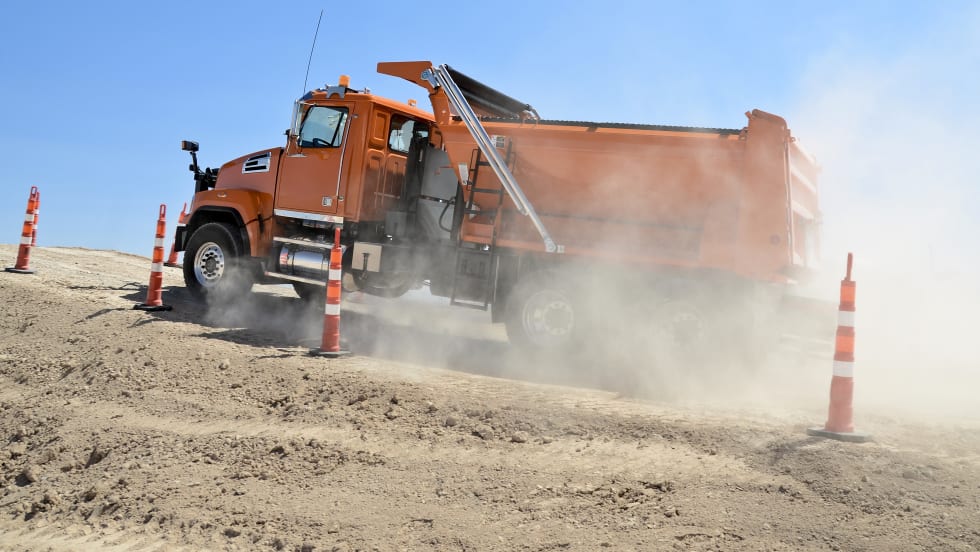
Basic Tracking vs Next Generation Fleet Technology
Fleet software is getting more sophisticated and effective than ever, tying big data models together to transform maintenance, safety, and the value of your existing tech stack. Fleet technology upgrades are undoubtedly an investment, but updated technology can offer a much higher return. Read how upgrading your fleet technology can increase the return on your investment.
Read More →
It’s here: The 2026 Fleet Technology Trends Report
What does AI mean for fleets? Get the answer — and learn other top tech trends.
Read More →
Small Fleets, Big Impact: How Independent Drivers Power Wreaths Across America
Check out how small fleets and independent drivers power Wreaths Across America each December and why their impact matters more than ever.
Read More →
VMS Survey Finds 65% of Small Fleet Managers Run Operations Alone
A new VMS survey shows small fleet managers are stretched thin, with most handling operations solo and eager to adopt digital tools for relief.
Read More →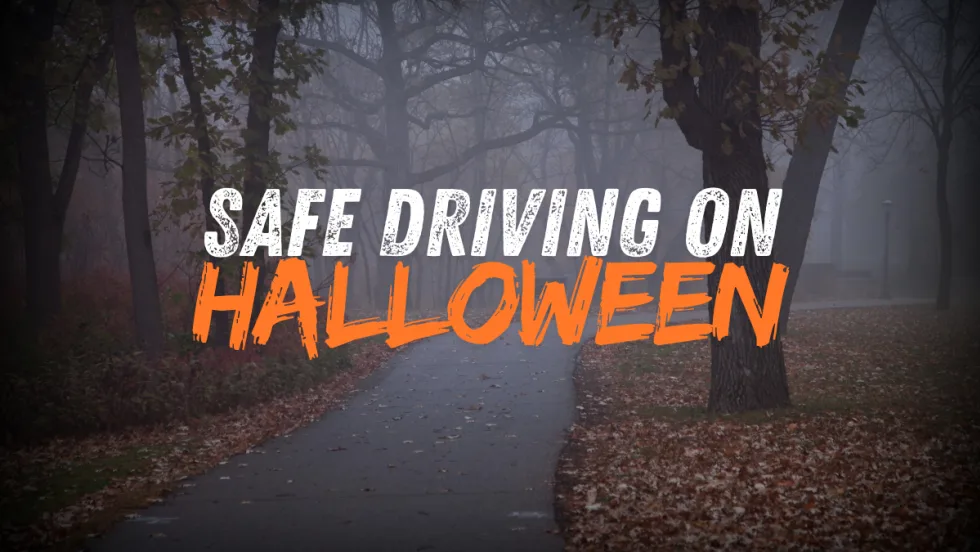
Tips for Driving Safely on Halloween Night
This video features a reminder from the Connecticut Department of Transportation (DOT) and the Connecticut Police Chiefs Association, urging drivers to prioritize safety this Halloween.
Read More →
AI, Access, and Uptime: VMS’s Next Chapter with David Prusinski
VMS’s new Co-CEO, David Prusinski, shares how an AI-first approach will give small fleets and repair shops the tools to compete like big players.
Read More →